
- News
- Health News
- Why your eyes feel tired even without much screen time: Hidden causes and ways to reduce strain
Why your eyes feel tired even without much screen time: Hidden causes and ways to reduce strain
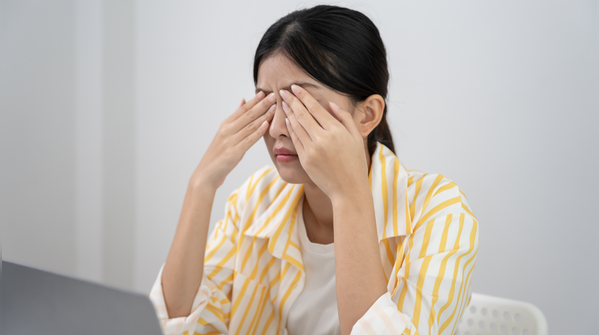
How to reduce eye strain?
There are days when the eyes feel heavy, dry, and oddly strained. This happens even after limited screen time. It can feel confusing. After all, screens often take the blame.
But the truth is simpler and deeper. Eye fatigue is not always about how long someone looks at a device. It is about how the eyes function through the day. It is about light, sleep, air, posture, and even emotions.
The eyes do not work alone. They respond to the entire body.
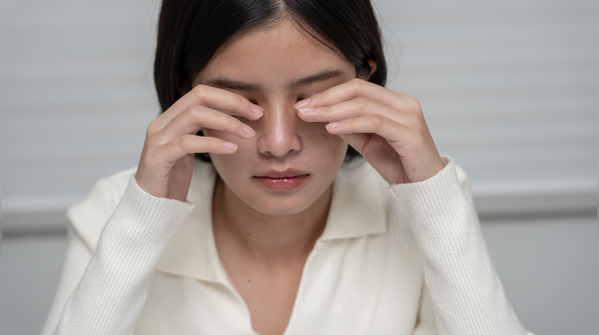
The blink you didn’t notice missing
Most people blink around 15-20 times a minute. But this rate drops sharply during focus. Reading, driving, or even daydreaming can reduce blinking.
Less blinking means less moisture. The tear film breaks faster. The surface of the eye dries out. This leads to that gritty, tired feeling.
A government-backed resource from the National Eye Institute explains how tear imbalance plays a major role in eye discomfort and fatigue.
Even without screens, long periods of concentration quietly strain the eyes.

Dry air is a silent trigger
Air conditioners, heaters, and even ceiling fans can dry out the air indoors. This reduces moisture around the eyes.
In cities, pollution adds another layer. Fine particles irritate the eyes and make them work harder to stay comfortable.
A study from the Journal of Clinical Medicine notes that environmental factors like air quality can worsen eye irritation and dryness.
The eyes are exposed all day. They absorb the environment more than one may realise.

Poor sleep shows up first in your eyes
Sleep is repair time for the eyes. During deep sleep, the eyes replenish moisture and relax the muscles that control focus.
When sleep is short or disturbed, the eyes carry the burden. They feel heavy. Vision may blur slightly. Light sensitivity can increase.
It is not just about hours. Irregular sleep timing also disrupts this repair cycle.
Tired eyes, in many cases, are simply asking for better rest.

Hidden vision problems you may ignore
Sometimes, the issue is not fatigue but effort.
If the eyes are slightly weak, they strain to maintain clarity. This effort builds through the day. By evening, it feels like exhaustion.
Many people ignore early signs. Mild blur. Occasional headaches. Difficulty focusing on small text.
Dr J.C. Durgapal explains this clearly, “Eye strain can also occur due to weak eyesight or conditions like glaucoma. Regular eye check-ups and proper vision correction are important to prevent strain.”
This is why routine eye exams matter, even without obvious symptoms.
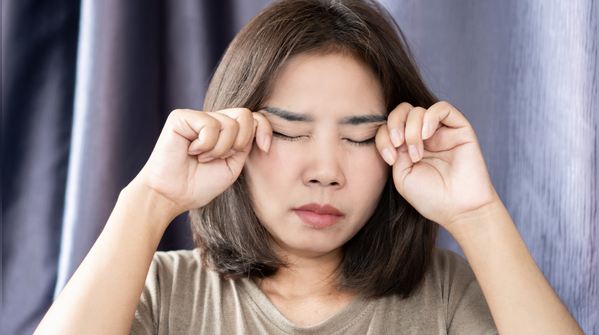
Your posture is affecting your eyes
The eyes do not sit in isolation. They are linked to neck muscles and body posture.
Slouching, bending the neck, or reading while lying down creates uneven pressure. The eyes adjust constantly to maintain focus.
Over time, this leads to fatigue not just in the eyes but also in the neck and shoulders.
Dr Durgapal also highlights posture and ergonomics as key factors. Sitting straight and maintaining proper alignment reduces unnecessary strain.

Stress doesn’t stay in your mind
Emotional stress often shows up physically. The eyes are no exception.
Stress tightens muscles, including those around the eyes. It also reduces blinking and increases sensitivity to light.
Ever noticed how eyes feel heavier after a long, stressful day, even without much work? That is not coincidence. It is the body signalling overload.
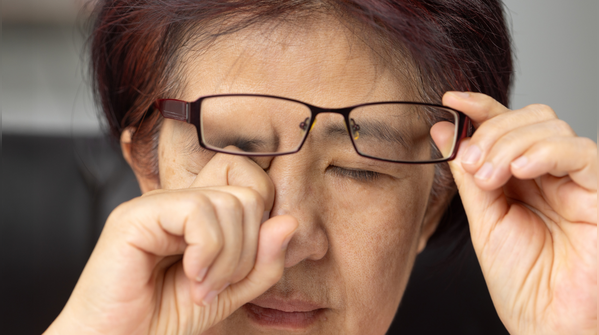
Small habits that quietly restore comfort
Relief does not come from one big fix. It builds through small, consistent habits.
Dr Durgapal advises simple, practical steps:
Take a break every 20-25 minutes
Blink consciously, especially during focus
Wash eyes gently with cold water
Keep a comfortable distance from reading material
Stretch and move the body regularly
These habits improve circulation and moisture balance.
Also consider:
Drinking enough water through the day
Sleeping at a fixed time
Avoiding direct air from fans or AC onto the face
None of these are dramatic. But together, they reset how the eyes feel.
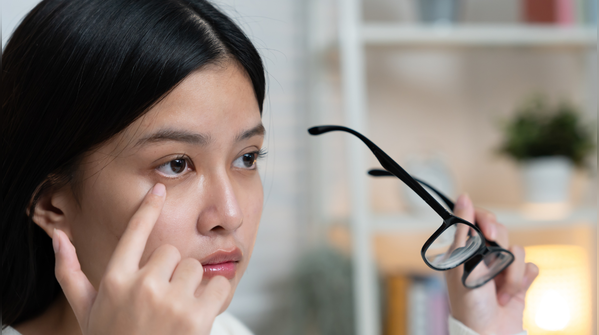
Listen before the strain grows
Eye fatigue is often ignored because it feels temporary. But it is rarely random. It builds slowly. Through habits, environment, and unnoticed strain. The question is simple: what are the eyes trying to say? Most of the time, they are not asking for less work. They are asking for better care.
Medical experts consulted
This article includes expert inputs shared with TOI Health by:
Dr J.C. Durgapal, Eye Q Hospital, Almora (Uttarakhand), President, Red Cross Medical Cell.
Inputs were used to explain why your eyes can feel tired even without much screen time due to underlying factors, and how simple steps can help reduce strain and improve eye comfort.
Featured In Health

