
6 popular foods that arrived in India after the 15th century
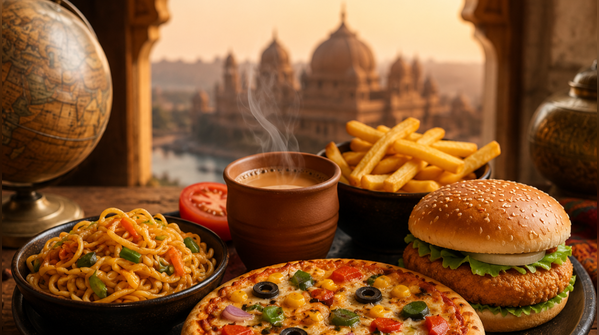
6 popular foods that arrived in India after the 15th century
Indian food today feels ancient, but some of its most familiar ingredients are relatively recent arrivals. The big turning point came when Portuguese traders began bringing New World crops into India in the 16th century. That exchange changed kitchens in a quiet but lasting way: new vegetables, fruits, and nuts slipped into everyday cooking and slowly became impossible to imagine without. Most arrived via Portuguese traders and spread because Indian soils and tastes welcomed them. Here are 6 popular foods that were not in India before the 15th century.
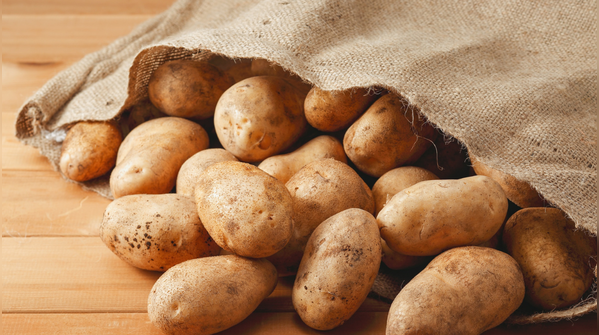
Potato
The humble aloo did not begin life in India. Encyclopaedia Britannica traces the potato to the Peruvian-Bolivian Andes and says it was brought into Europe in the second half of the 16th century; from there, it entered India as part of the New World produce that Portuguese traders carried across oceans.
What makes the potato’s story remarkable is how completely it adapted to Indian food culture. Over centuries, it slipped into regional cuisines so naturally that it now feels inseparable from everyday cooking, from stuffed parathas in the north to spicy masala dosas in the south. Few imported ingredients have blended into Indian kitchens this seamlessly.
Today it feels deeply Indian, but its passport is unmistakably South American.
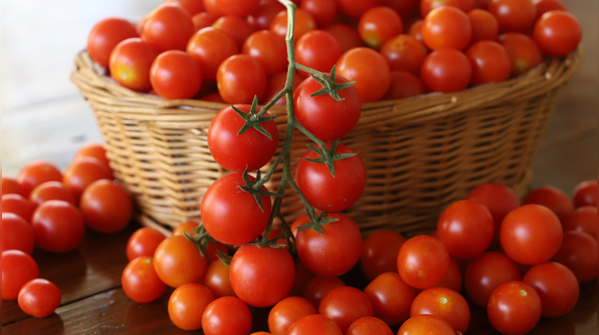
Tomato
Tomatoes now sit at the heart of Indian gravies, chutneys, and street food, but they are not native to the subcontinent. Britannica says the tomato originated in South America and was introduced to Europe in the early 16th century. At first, many Europeans viewed the fruit with suspicion and even treated it as ornamental rather than edible. Over time, however, its bright acidity and versatility helped it travel across continents and cuisines with remarkable ease, while its spread into India came later through the same Portuguese trade routes that carried other New World crops.
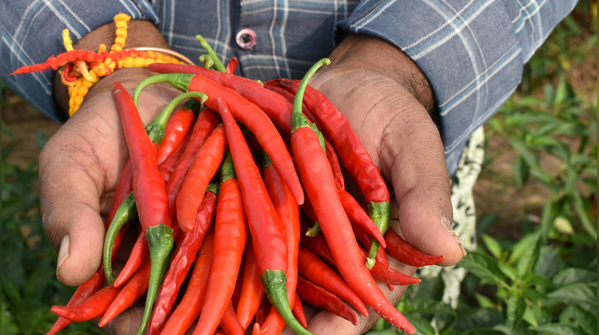
Chilli
It is hard to imagine Indian cooking without heat, yet the chilli itself is a later arrival. Native to the Americas, chilli peppers reached India through Portuguese trade routes in the 16th century during the Columbian Exchange. Before their arrival, Indian kitchens relied on black pepper, long pepper, ginger, and mustard for heat. The shift did not happen overnight. For years, chillies existed alongside older spices before gradually becoming cheaper, easier to cultivate, and more widely available across regions. Farmers embraced them because they grew well in different climates, while cooks discovered how easily they blended into curries, pickles, chutneys, and everyday tempering. But chillies adapted quickly to Indian climates and tastes, eventually transforming regional cuisines so completely that today they feel inseparable from the country’s food identity.
Cashew
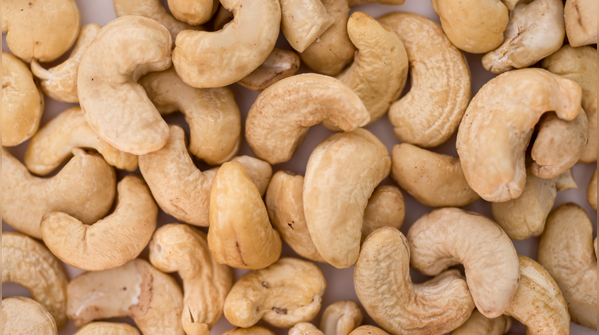
Cashews may feel like a classic Indian snack, but the tree itself originated in northeastern Brazil. It was brought to India by Portuguese traders and missionaries in the late 16th century, initially planted along coastal regions to help prevent soil erosion.
What began as a practical plantation crop slowly transformed into something culturally familiar. Cashew trees adapted especially well in Goa, Kerala and parts of coastal Karnataka, where they became tied not just to food but also to local economies and seasonal harvesting traditions. Over generations, the nut stopped feeling foreign and became fully absorbed into Indian culinary identity.
Over time, the crop adapted remarkably well to Indian conditions and slowly became woven into local food traditions. Today, cashews are inseparable from festive sweets, rich gravies, and everyday snacking across the country.
Pineapple
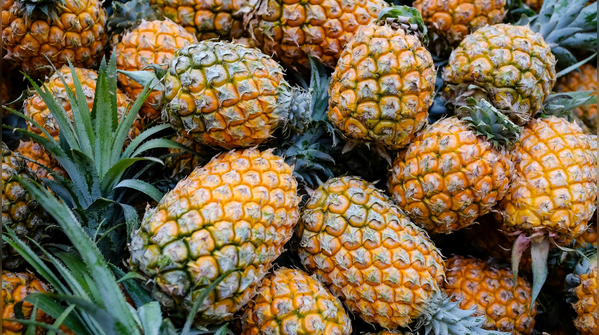
The pineapple is another tropical fruit that entered India long after many of the country’s older food traditions were already established. Native to South America, it travelled across oceans through Portuguese trade networks during the 16th century and reached India by around the mid-1500s. The fruit adapted easily to tropical climates, especially in coastal and northeastern regions, and gradually became part of local eating habits. Today, pineapple appears everywhere from street-side fruit carts to festive desserts and regional curries.
Papaya
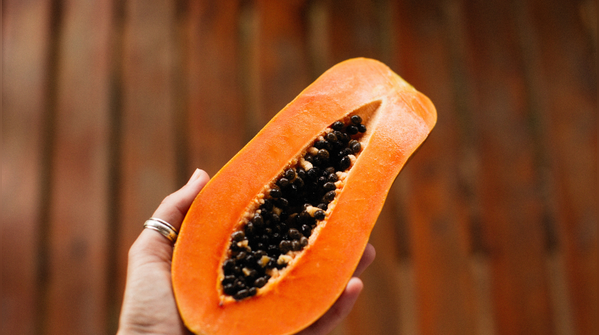
Papaya now looks entirely at home in Indian markets, but its roots are in Mexico and Central America. Britannica describes it as a plant native to that region and notes that Portuguese traders introduced New World fruits such as papaya into India in the 16th century. Like several other crops on this list, it arrived as an outsider and stayed because Indian kitchens made it their own.
Featured In Food

MORE FROM ETIMES
life & style