
- News
- Health News
- Can rainwater cause eye infections? Eye specialist explains the real risk
Can rainwater cause eye infections? Eye specialist explains the real risk
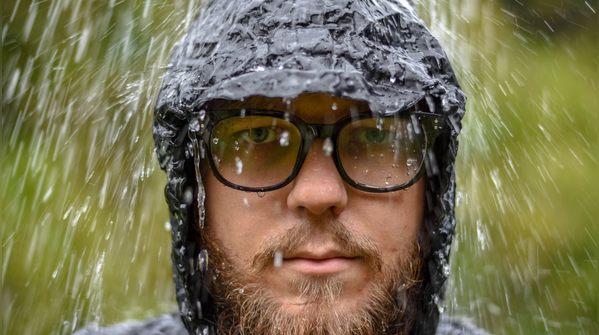
The monsoon myth many people still believe
The arrival of the monsoon often brings a sense of relief. Streets cool down, trees look greener, and the air feels fresher after weeks of intense heat. For many, getting caught in a sudden shower is a nostalgic experience linked to childhood memories and carefree moments.
Yet every rainy season brings a familiar warning: "Don't let rainwater get into your eyes, or you'll get an infection."

But is this claim actually true?
The answer is more nuanced than a simple yes or no. Eye specialists say rainwater itself is usually not the direct culprit behind eye infections. However, the environment through which rain falls and the habits people adopt after getting drenched can create conditions that increase the risk of eye problems.

Rainwater alone is usually not the problem
One of the biggest misconceptions is that every drop of rainwater carries harmful germs that can immediately infect the eyes.
According to Dr Mukesh Vats, Consultant Ophthalmology, Fortis Hospital Mohali, "Rain is often celebrated as nature's way of rejuvenating the earth. As the poet Henry Wadsworth Longfellow beautifully said, 'The best thing one can do when it's raining is to let it rain.' While monsoon showers bring much-needed relief from the heat, there are several misconceptions about their impact on eye health."
He further explained, "Typically, rainwater does not cause eye infections. However, in urban cities where pollution levels are generally high rain can mix with dust, pollutants, chemicals, and microorganisms present in the atmosphere. The first showers of the season have much higher probability of airborne contaminants, including acidic particles associated with what is commonly referred to as acid rain. Direct exposure to such raindrops can sometimes lead to eye irritation, redness, watering, or allergic reactions."
In simple terms, the concern is not necessarily the rain itself. The concern is what the rain may collect on its journey through polluted air. Cities with high levels of dust, vehicle emissions, industrial pollutants, and airborne particles can expose the eyes to irritants when it rains.
This is why some people notice burning, itching, or redness after being caught in the first rain of the season.
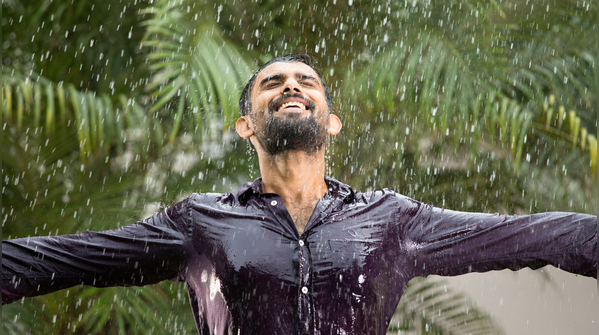
Why eye problems often appear after rain exposure
Many eye complaints linked to rain are not infections at all. When pollutants or allergens enter the eyes, the body's natural defence system reacts. Blood vessels on the eye surface expand, causing redness. Tears increase to wash away irritants. Some people may also experience itching or mild swelling.
Dr Vats highlighted an important distinction, "The risk of infection is often indirect. Individuals may rub their eyes with unclean hands after getting drenched or contact lens users may expose their lenses to contaminated water, escalating the likelihood of infection. However, it is important to understand that not all redness or discomfort after rain exposure indicates an infection. Most of the cases are simply due to mild irritation or allergies."
This distinction matters because many people immediately assume they have an eye infection and begin using over-the-counter eye drops without medical advice. In reality, irritation, allergy, and infection are three different conditions that require different approaches.
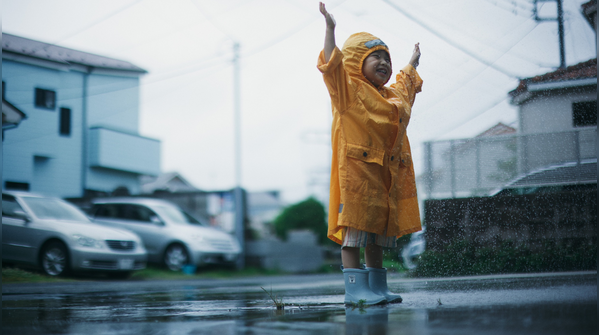
Contact lens wearers need to be extra careful
If there is one group that should be particularly cautious during the rainy season, it is contact lens users.
Health authorities have repeatedly warned against exposing contact lenses to any type of water because water can carry microorganisms that become trapped between the lens and the cornea. The US Centers for Disease Control and Prevention (CDC) notes that water exposure can increase the risk of serious eye infections, including Acanthamoeba keratitis, a rare but potentially sight-threatening infection. The agency advises avoiding water contact with lenses and maintaining strict lens hygiene.
Research published through the CDC's Healthy Water Program has also found that water exposure remains a common risk behaviour among contact lens users, despite long-standing recommendations against it.
This does not mean every person who wears contact lenses in the rain will develop an infection. However, the risk becomes higher when lenses remain exposed to contaminated water, are handled with dirty hands, or are not cleaned properly afterward.

How to protect your eyes during the Monsoon
Monsoon eye care is often less about avoiding rain and more about practising good hygiene afterward.
Dr Vats advised, "As precautionary measures, one should wash face and eyes with clean water after being in the rain, maintain good hand hygiene, and avoid self-medicating with eye drops. If symptoms such as persistent redness, pain, discharge, light sensitivity, or blurred vision develop, an ophthalmic evaluation should be sought promptly."
These recommendations may sound simple, but they are often overlooked.
A few practical habits can make a significant difference:
Rinse the face and eyelids with clean water after coming indoors.
Avoid rubbing the eyes, especially with unwashed hands.
Remove and clean contact lenses according to medical guidance.
Do not share towels, handkerchiefs, or eye cosmetics.
Seek medical attention if symptoms persist beyond a day or two.
Avoid buying antibiotic eye drops without a prescription.
The rainy season also tends to coincide with a rise in viral conjunctivitis cases in many regions. Maintaining personal hygiene and avoiding unnecessary eye touching remain among the most effective preventive measures.
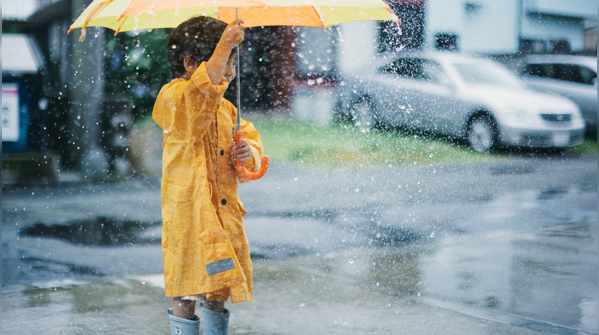
Rain might not be the real enemy
Rainwater has acquired a reputation that is not entirely deserved. For most healthy individuals, a few raindrops entering the eyes are unlikely to trigger an infection.
What often causes trouble is pollution, contaminated hands, improper contact lens use, and the tendency to ignore early symptoms or self-medicate.
The real lesson is not to fear the rain but to understand the conditions surrounding it.
Monsoon showers may bring joy, relief, and cooler weather. With a little awareness and proper eye care, they do not have to bring eye problems along with them.
Medical experts consulted
This article includes expert inputs shared with TOI Health by:
Dr Mukesh Vats, Consultant Ophthalmology, Fortis Hospital Mohali.
Inputs were used to examine whether rainwater can actually cause eye infections, clarify common misconceptions surrounding monsoon-related eye problems, and explain the factors that may lead to irritation, allergies, or infections, along with expert-recommended precautions to protect eye health during the rainy season.
Featured In Health

