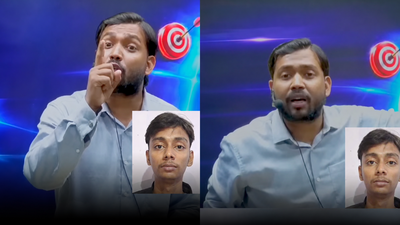
It was not meant to be a day for tears on television. Yet that is what the NEET-UG 2026 controversy has become: a story about anger, helplessness, and the quiet collapse of trust between students and the institutions that are supposed to protect their future. The National Testing Agency cancelled the exam after allegations of a paper leak and irregularities, and the decision immediately plunged lakhs of aspirants into uncertainty. The Centre later handed the matter to the CBI, while protests and public outrage spread across the country.
Khan Sir's deeply emotional response has struck a powerful chord with countless students and parents throughout the nation. In his comments to ANI, he expressed his strong belief that the agency has neglected its administrative duties and emphasized that for students, this exam symbolizes their ‘entire life,’ and is far more than just a single piece of paper. He further raised his concerns regarding the slow pace and effectiveness of the ongoing investigation, insisted on the necessity for increased accountability measures, and highlighted that the recurring allegations of leaks indicate a more profound systemic failure within the examination process. Whether one finds his choice of words agreeable or not, the palpable emotion behind his statements is undeniable: this situation illustrates the consequences that arise when a high-stakes system continually demands that young individuals sacrifice everything, yet fails to uphold its end of the bargain.
12 May 2026 | 16:39
Do you think gentle parenting is realistic in everyday life?
The human cost of these developments is already becoming tragically evident. Reports emerging from Uttar Pradesh have recounted the heartbreaking case of Hritik Mishra, a 20-year-old aspiring medical student who had set his sights on becoming an MBBS graduate. His family has expressed how he was profoundly affected by the confusion surrounding the cancellation and subsequent rescheduling of the NEET-UG examination for the year 2026. While local authorities indicated that the situation seemed to stem from personal distress and had not been directly linked to the examination processes at the time of the report, the immense sorrow experienced by his family, combined with the broader societal reaction, narrates a compelling story. For countless students like Hritik, who have poured years of preparation into their studies, often funded through loans and accompanied by immense societal pressure—the stakes tied to such an examination are far from trivial. An exam often transforms into a pivotal juncture that can dictate the course of their future pathways.
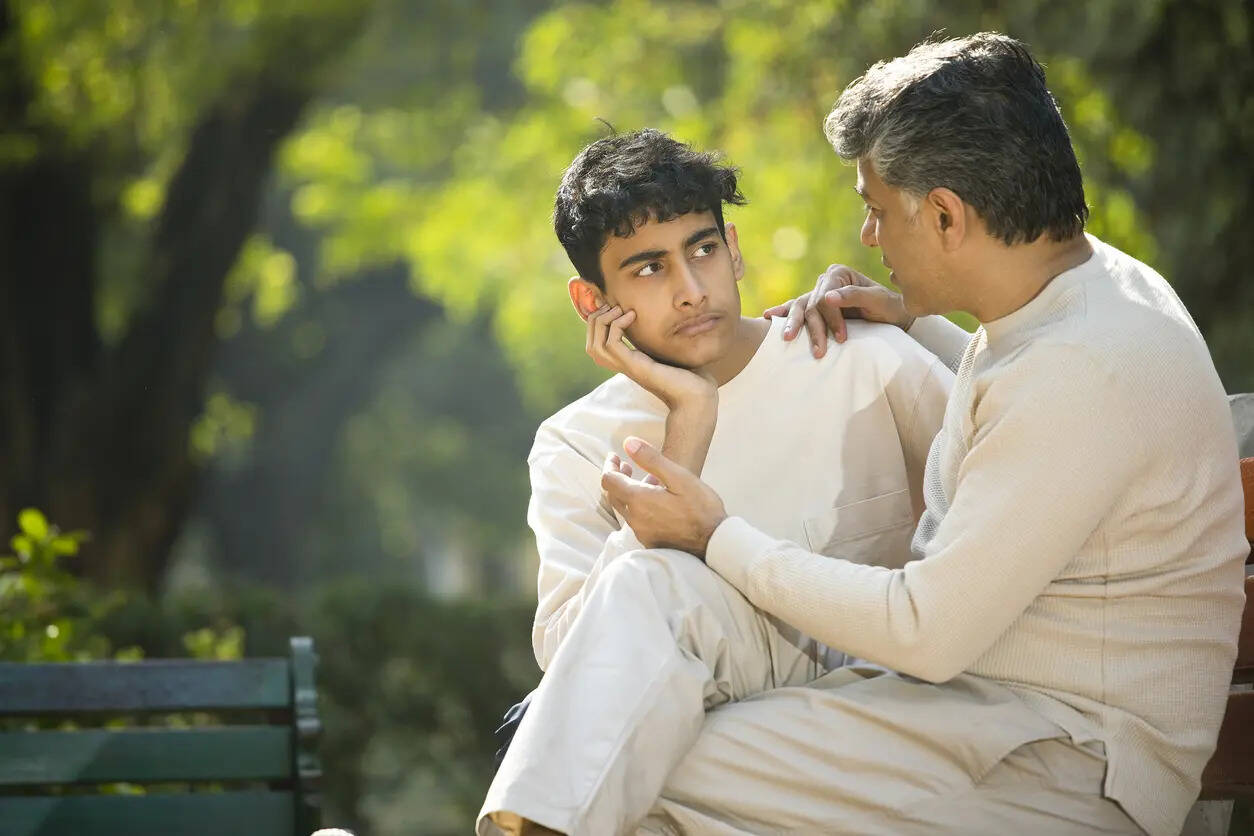
This is precisely why this particular moment calls for something beyond mere outrage. It requires the presence of more composed and steady adults who can guide the way. Parents, as frontline defenders, quite often find themselves in the pivotal role of emotional support when their child’s dreams become shaken or disrupted by a crisis that is beyond the child's control. The very first step in this situation should not be about correction or reprimand. Instead, it should focus on containment. When a child experiences shock, panic, or overwhelming despair, lengthy lectures about resilience, discipline, or societal judgments only serve to deepen the emotional wounds they are already suffering from. The National Institute of Mental Health proposes a straightforward yet impactful sequence for assisting someone who is in crisis: first, ask how they are feeling, then be there for them, help ensure their safety, assist them in making connections, and lastly, follow up to check in on them. Simply put, this translates into offering a listening ear without prying, maintaining both physical and emotional presence, and resisting the urge to rush towards solutions before the child has had the opportunity to process their feelings.
First, make the home a place where fear can be spoken aloud
For a child who has encountered a setback, felt overwhelming panic, or dealt with an interruption during an exam due to a malfunction in the system, it is crucial that their distress is recognized as being not only valid but also profoundly real. Parents ought to avoid undermining the significance of the situation by using dismissive phrases like "it's just an exam" or "others have it worse." While such comments may appear to originate from a desire to be practical, they often come across as though the child's feelings are being rejected or invalidated. A more productive response would be to express understanding: essentially, communicating, "I see that this situation is truly painful for you; I am here to support you in navigating this challenge; together, we will find a way forward." The significance of such emotional presence can't be emphasized enough, as moments of crisis often go beyond mere academic performance. They strike a chord with feelings of shame, a loss of control over one's circumstances, and the underlying dread that a single misstep could permanently shut the door on future opportunities. According to the Centers for Disease Control and Prevention (CDC), families and communities can play a key role in suicide prevention by being able to recognize warning signs as well as strengthening protective factors. This vital process begins with taking expressions of distress seriously, rather than dismissing them outright.
Second, move from emotion to safety, not straight to performance
When distress is intense, the child’s nervous system needs calming before their future plans need planning. Parents should reduce noise, reduce arguments, and reduce the pressure to immediately decide what comes next. That may mean sitting with the child, getting them water, making sure they are not alone if they are in a fragile state, and gently asking direct questions about how they are coping. NIMH’s guidance is clear that support is not passive sympathy; it includes helping keep the person safe and helping them connect to support. In India, the Ministry of Health’s Tele-MANAS helpline offers 24/7 free mental health support through 14416, which can be a practical first step when the family is unsure where to turn.
Third, protect dignity while rebuilding direction
Children who find themselves in an academic crisis require much more than mere reassurance; they necessitate a well-structured plan that helps them feel valued, rather than discarded. Parents can play a crucial role by ensuring that a child's value is not tied to any single result, one exam date, or a particular bureaucratic setback. This approach involves discussing possible alternatives without inducing feelings of humiliation, reframing any delays without placing blame, and consciously avoiding comparisons with other children, whether they are relatives’, neighbors' or classmates’. A child who feels genuinely seen and understood is far more likely to bounce back from academic difficulties than one who feels diminished to just a rank or a score. The broader lesson that can be gleaned from this NEET episode is clear: while examination systems can indeed be fixed and improved, the emotional harm inflicted on young individuals through public humiliation and neglect from institutions presents a far more complex challenge that is significantly harder to heal. Families may not have the power to rectify the entire system alone, but they certainly can ensure that the failures of the system do not become a defining part of their child’s identity.
The tears shed by Khan Sir struck a deeply resonant chord across a vast audience. These tears were not merely tears for one aspirant facing difficulties, nor were they solely in response to a single cancellation or a particular controversy. They served as a public manifestation of the emotions that many families experience in the privacy of their own homes: that this current generation is being tasked with bearing an overwhelming burden, often without any form of safety nets or sufficient support, and then unfairly held accountable when the crushing load becomes too heavy to bear. The frustration felt by many is certainly justifiable. The sorrow is palpable and genuine. However, the most pressing action that should be taken at this moment should not simply focus on expressing outrage towards the institutions involved. Instead, it must embody a profound sense of tenderness at home, where a scared child desperately needs to hear the reassuring message that a single failed exam does not define or diminish their humanity or the potential of their future.