
- News
- lifestyle
- parenting
- early-childhood
- Neurologist shares 5 things she personally prioritises to protect children’s health
Neurologist shares 5 things she personally prioritises to protect children’s health

Neurologist shares 5 things she personally prioritises to protect children’s health
Childhood today looks very different from what it did a decade ago. Overstimulation is more common than it used to be. Modern technology, increasing academic pressure, packed schedules and processed foods are directly affecting children’s health.
However, keeping children healthy does not always require complicated routines or expensive wellness trends. Recently a neurologist, Dr. Mina (@migraneswithmina), shared five things she would personally prioritise to protect her children’s health and nervous system. Interestingly, the recommendations she gave are not about strict parenting or following rigid schedules.
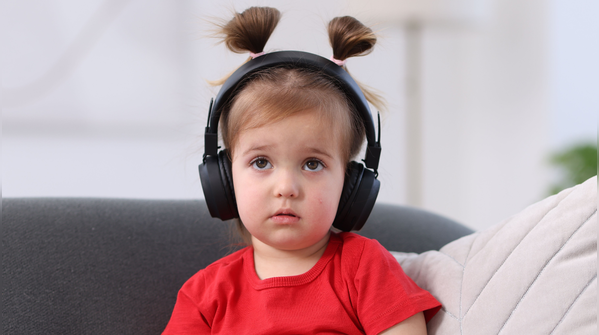
Limit loud noises
Whether it is for online classes, music, or games, Dr. Mina highlights how children today are using headphones at younger ages than ever before. According to her, loud sounds can damage the ears over time.
Protecting hearing early is important because hearing health is closely connected to speech, learning, attention, and social development.
Parents can limit headphone usage time, keep device volume low, or simply encourage children to use devices on speakers whenever possible.
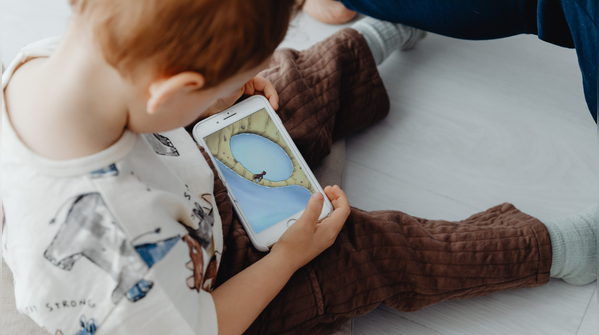
Avoid night time screen time
Screens have become a comfortable escape, both for parents as well as children. However the Neurologist says using phones, screens and television right before sleeping can affect sleep quality more than parents realise.
Dr. Mina explained that screens overstimulate the brain and delay sleep. Poor sleep can then affect a child’s emotional regulation, attention span, learning ability and emotional regulation.
Instead of allowing children to doomscroll, parents can encourage nighttime routines such as reading books or journaling.

Encourage daily outdoor play
Children today spend major time staying inside, sticking to screens and digital entertainment. The neurologist recommends encouraging outdoor play.
Outdoor play isn’t just about physical activity. According to Dr. Mina, spending time outside helps regulate the nervous system and gives children a much-needed break from overstimulation. Even simple outdoor activities such as cycling, running, walking, or playing in the park can make a noticeable difference in a child’s mood and energy levels.

Limit caffeine intake
Caffeinated beverages and energy drinks are becoming increasingly popular, especially among teenagers. However, the neurologist strongly advised against giving caffeine to children.Children and teens are more sensitive to caffeine than adults and excessive intake can affect their health, resulting in restlessness, headaches, and sleep disruption.
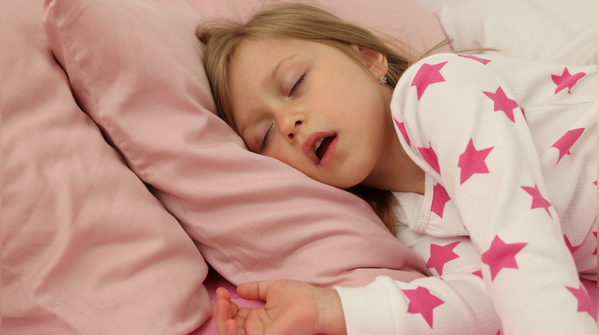
Never ignore snoring
Snoring is assumed harmless, but neurologist Dr. Mina warns that persistent snoring may sometimes signal sleep apnea or breathing difficulties during sleep. Poor-quality sleep caused by interrupted breathing can negatively affect a child’s health. Children with sleep issues may sometimes appear inattentive, hyperactive, irritable, or constantly tired during the day.
If snoring is persistent, parents should discuss it with a doctor instead of dismissing it as normal.

It's about making small mindful changes
What stands out about Dr. Mina’s recommendation is that she is suggesting to focus on everyday habits rather than extreme parenting rules. Following these suggestions does not require parents to become overly strict, it’s about making small mindful changes to support child’s over-all wellbeing.
Featured In lifestyle

MORE FROM ETIMES
life & style