
- News
- Health News
- Frequent calf cramps while walking: Doctors explain when it may signal circulation problems, not dehydration
Frequent calf cramps while walking: Doctors explain when it may signal circulation problems, not dehydration

When a simple cramp may mean more
A sudden calf cramp while walking is common. Many people blame dehydration, tired muscles, or long hours of standing. In many cases, that explanation is correct. But doctors say repeated calf cramps should not always be ignored.
Sometimes, the body sends small warning signals before a bigger health issue appears. Calf pain during walking can be one such signal. It may point to circulation problems, mineral imbalance, or nerve issues affecting the muscles.
Understanding why these cramps happen can help people act early. A small lifestyle change today may prevent a larger health problem tomorrow.
Why calf cramps happen in the first place
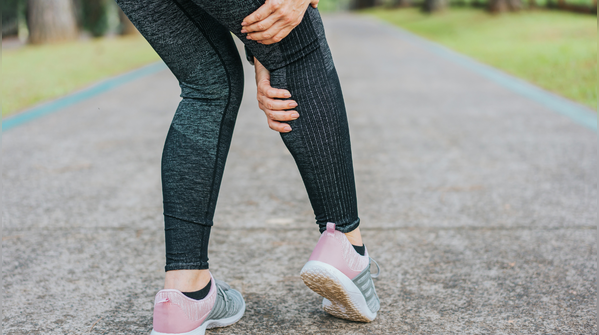
A calf cramp occurs when the muscle suddenly tightens and refuses to relax. The pain can last from a few seconds to several minutes.
The calf muscles work constantly while walking. They push blood back toward the heart and support body weight with every step. When the muscle receives poor blood flow, inadequate minerals, or nerve signals that misfire, the muscle can contract painfully.
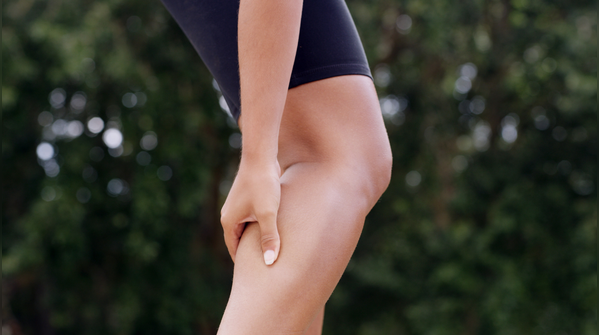
Several everyday situations can trigger this:
Long hours of walking or standing
Poor hydration
Sudden increase in physical activity
Poor circulation
Mineral deficiencies
The tricky part is that the same symptom can have very different causes. A simple electrolyte imbalance may cause it, but circulation problems can produce similar pain.
The link between dehydration and summer cramps
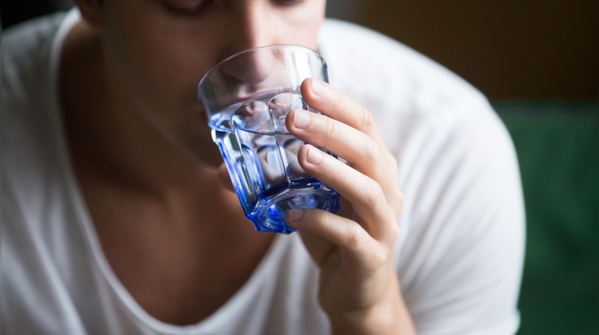
During hot weather, the body loses fluids quickly through sweat. Along with water, important minerals leave the body too. These minerals help muscles relax after contraction.
Potassium, magnesium, and calcium are particularly important. When their levels fall, muscles become more sensitive and prone to spasms.
A report highlights that electrolyte imbalance during dehydration can affect muscle and nerve function. The report explains how maintaining fluid balance helps prevent muscle cramps and fatigue.
Hydration alone often solves the problem for many people. But when cramps appear frequently during walking and improve only with rest, doctors begin to look deeper.

When calf cramps may signal circulation problems
Frequent calf cramps while walking may sometimes indicate a problem with blood circulation in the legs.
Two conditions doctors watch closely are Peripheral Artery Disease (PAD) and Deep Vein Thrombosis (DVT).
PAD occurs when fatty deposits narrow the arteries. Less blood reaches the leg muscles, especially during activity. This can cause pain or cramps after walking a short distance.
The US National Heart, Lung, and Blood Institute (NHLBI) explains that PAD can cause a condition called intermittent claudication, where leg pain starts during walking and stops with rest.
DVT, on the other hand, occurs when a blood clot forms in a deep vein of the leg. It may cause swelling, pain, warmth, or tenderness.
What does the expert say?
Dr Sandeep Sahay, Director of Internal Medicine at Yatharth Hospital, explains the concern clearly, “Frequent calf cramps should not be dismissed, as in certain circumstances, it might indicate the presence of certain health problems, such as Deep Vein Thrombosis (DVT) or Peripheral Artery Disease (PAD), in which the blood flow in the veins or artery is affected. At times, during summer seasons, calf cramps might occur in people due to dehydrating effects of excessive sweating. It is known that an insufficient amount of certain minerals, like potassium, calcium, and magnesium, might cause calf cramps. Drinking adequate fluids is necessary to prevent such health problems. However, if the calf cramps are too severe, it is suggested that medical advice be sought.”

Mineral imbalance: The silent trigger many overlook
Muscles depend on a delicate balance of minerals to contract and relax smoothly.
Three nutrients play a key role:
Potassium – supports nerve signals to muscles
Magnesium – helps muscles relax after contraction
Calcium – supports muscle contraction
A deficiency in any of these can cause repeated cramps.
Diet patterns that rely heavily on processed foods often lack these minerals. Fresh fruits, leafy greens, nuts, and dairy products help restore balance.

Who faces frequent calf cramps more often
Certain groups experience calf cramps more frequently than others. Older adults are more vulnerable because muscle mass declines with age and circulation may slow down. Athletes who suddenly increase training intensity can also experience repeated cramps.
People with diabetes, thyroid disorders, or nerve conditions may notice this symptom more often.
Smoking and high cholesterol also increase the risk of poor circulation in the legs. Over time, these factors can narrow blood vessels and limit oxygen supply to muscles.

Warning signs that should not be ignored
Not every cramp requires medical attention. But some patterns deserve closer evaluation.
Doctors recommend seeking medical advice if cramps:
Occur repeatedly during walking
Improve only after stopping activity
Come with swelling in one leg
Cause severe pain or tenderness
Appear alongside numbness or skin colour changes
Persistent cramps may reveal circulation problems early. Detecting such issues at an early stage can prevent serious complications later.

Simple ways to reduce calf cramps naturally
The good news is that many calf cramps can be reduced through small daily habits.
Doctors usually recommend:
Drinking enough water throughout the day
Eating foods rich in magnesium and potassium
Stretching calf muscles before and after exercise
Walking regularly to improve circulation
Avoiding smoking and maintaining healthy cholesterol levels
Listening to these signals early may prevent larger problems later.
Medical experts consulted
This article includes expert inputs shared with TOI Health by:
Dr Sandeep Sahay, Director of Internal Medicine at Yatharth Hospital.
Inputs were used to explain why frequent calf cramps while walking may not always be due to dehydration, highlighting how circulation problems and underlying vascular conditions can sometimes be responsible, and why recognising these warning signs early and seeking medical advice is important.
Featured In Health

