
- News
- World News
- Rest of World News
- 10 countries with highest anaconda population in the world: From Brazil to French Guiana
Trending
10 countries with highest anaconda population in the world: From Brazil to French Guiana
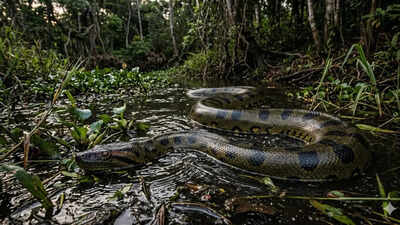
Estimated anaconda population by country
Countries with the largest anaconda population
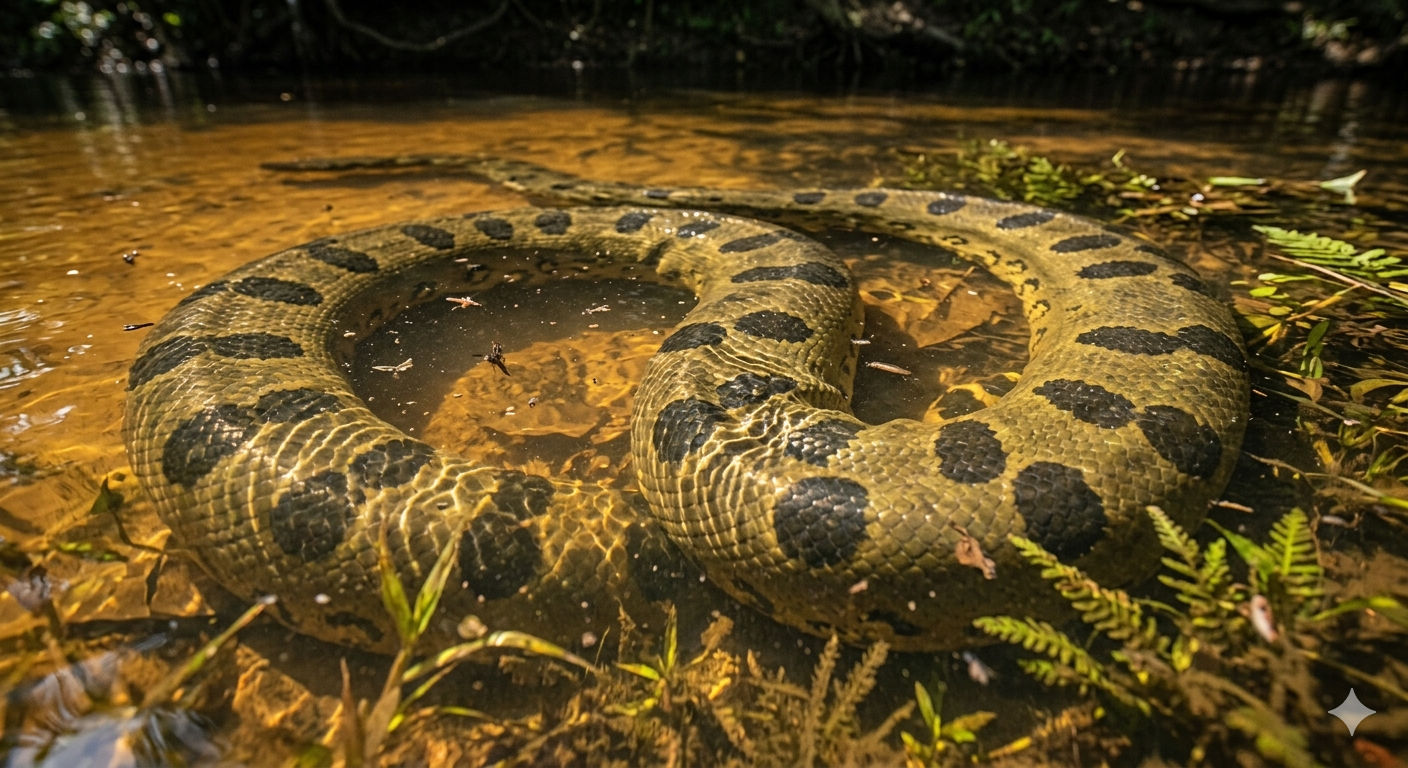
1. Brazil
2. Venezuela
3. Colombia
4. Bolivia
5. Peru
6. Ecuador
7. Paraguay
8. Guyana
9. Suriname
10. French Guiana

About the AuthorTOI World Desk
End of Article
Follow Us On Social Media

Hot Picks
Top Trending
Tired of too many ads?go ad free now
Trending Stories
In World
Entire Website
- Mystery substance scare: 3 dead, first responders quarantined over toxic exposure in US
- Another military operation on cards? USS Nimitz enters Caribbean amid US-Cuba tensions
- ‘Hair on fire’: Trump, Netanyahu call turns tense over Iran strategy
- "Charlie was about to update his will": Candace Owens sparks backlash after explosive Charlie Kirk conspiracy claims on livestream
- Was Nina Lin arrested? Twitch streamer claims missed $4 scissors scan led to night in jail
- Tennessee man jailed for 37 days over Charlie Kirk meme to receive $835,000 settlement
- 'There won't be escalation': Donald Trump reacts to Raul Castro's indictment by DOJ
- Will Raúl Castro’s indictment push US and Cuba closer to war?
- Israeli parliament votes to advance bill to dissolve Knesset, paving way for early elections
- Failed 3 H1-B attempts: Indian working in US says ‘visa anxiety is a permanent subscription’
- IPL 2026 Playoff Qualification Scenarios: With 5 matches to go, RR hold edge as PBKS and KKR chase the final spot — paths for each team explained
- IPL 2026 | Hardik Pandya left stunned after Robin Minz and Deepak Chahar's comedy of errors - WATCH
- 'PM's hair was on fire': Trump & Netanyahu spar over Iran war's next steps in heated phone call
- Two superpowers, one host: How Xi handled Trump and Putin differently
- US-Iran War News Live Updates: Iran sets new Strait of Hormuz rules, requires vessel coordination and permits
- NFL Trade Rumors: Dallas Cowboys linked to $22.5 million Minnesota Vikings star in potential defensive fix
- Patrick Mahomes comeback rumors spiral into chaos after latest rehab update leaves Chiefs fans unsettled
- NFL Trade Rumors: San Francisco 49ers and Chicago Bears could pursue $9M Washington Commanders linebacker
- NFL Trade Rumors: Kansas City Chiefs linked to Philadelphia Eagles' $12M WR after Rashee Rice setback
- IPL 2026: Mumbai Indians become second team in IPL history to ...
Tired of too many ads?go ad free now



Explore Every Corner
Across The Globe
IPL Playoff ScenariosTANCET CEETA PG final answer keySean McVayPrince WilliamDelhi Transport StrikeRonda RouseyNFL Trade RumorsJen Vrabel vs Sean McVayVictor WembanyamaRonda Rousey Net WorthJustin HerbertIPL Points Table 2026Kolkata Knight Riders vs Mumbai Indians Match ScorecardVirat KohliIPL 2026 Orange CapRussell Wilson Birthday PostJordan KyrouConor McGregor vs Max Holloway Net WorthIPL 2026IPL 2026 Playoff PredictionBryson DeChambeauUS Iran WarCarlos PratesKKR vs MI HighlightsRashee RiceUkko Pekka LuukkonenSuper BowlKashika DhingraDwayne JohnsonMegan Thee Stallion

Hot on the Web
R MadhavanHeatwave Protection Foods And DrinksAmit ShahRaaj KumarPeddi First ReviewPM ModiSalman KhanDrishyam 3T.G. Nandish DeathCelina JaitlyBharti SinghAamir KhanSalman KhanNehal ChudasamaDiphtheria OutbreakNiranjana DesaiGlass Shower Screens Cleaning TipsUnique Fruit TreesKaruppu Box Office CollectionKhan SirChandranaag IdentityPopular FoodAC Room Water Bucket TipsMeta LayoffsPanchayat Season 5Anti Lizard TipsHbA1cDhurandhar 2 Box Office CollectionRaja Shivaji Box Office CollectionHoroscope TodayCuba Drone ThreatFatah 3 VS BrahmosUS Powerball LotteryRajnath SinghUAE Nuclear PlantSanjeev AroraNyt ConnectionsUmar Khalid CaseLegal Document PropertySuryastraS 400Captions For Instagram Posts
Trending Topics
MP Wife MurderVande MataramDelhi Transport StrikeNagpur Dowry CaseHardik PandyaIPMAT Result 2026IPL Orange CapUK Grooming CaseMohammed ShamiUGC NET June 2026REET Mains Result 2026Jenny GilruthRohit SharmaRaul CastroPep GuardiolaTrump IRS settlementIPL Orange CapLogan PaulWho is Ines GarciaJapan earthquakeDonald Trump Iran strategyNew Mexico substance exposureUSS NimitzRaul CastroCandace owensHeatwave alertFalta repollingIndia criticizes pakistanIndia Italy relationsPrashant KishorLip-Bu-TanKevin O LearyMark CubanOpenAI And Anthropic LayoffGoogle New Ad FormatMatt GarmanParag AgrawalVC Chamath PalihapitiyaGarena Free Fire MAX Redeem CodesPeroxide CodesGenshin Impact Codes
Popular Categories
HeadlinesSports NewsBusiness NewsIndia NewsWorld NewsInternational SportsHealthIndian TV ShowsTechnologyTravelEtimesAstrologyDeorhiAutoTechnology NewsGold Rate TodayWeather TodaySilver Price TodayDelhi Weather TodayPetrol Price TodayDiesel Price TodayCNG Price TodayLPG Price TodayPetrol Price MumbaiDelhi AQIIs Bank Open TodayMumbai AQI TodayIs Bank Open TomorrowPublic Holidays in MayBank Holidays in May
Trending Videos
Hezbollah Claims Direct Hits On Israeli Troops, Obliterates Merkava Tank In Precision StrikeTMC Faces Double Setback As MLAs Skip Protest And Councillors Resign In Two MunicipalitiesUS Build-Up In Israel For War 2.0? Refueling Aircraft Deployed; Trump Says Tension On 'Borderline'‘Game Over After This’: Trump Issues Final Ultimatum To Iran As Tensions Hit Boiling Point | On Cam'Cuba Is Struggling': Trump Hints At US Military Campaign; 'Will Help' Declaration Shocks HavanaSTORY FALTA REPOLL BEGINS'Netanyahu's Hair On Fire': Trump Clashes With Israeli PM Over Expected Iran Deal | Inside DetailsON CAM: Xi Gives Putin ‘Special Tour,’ Unveils Giant Portraits After Trump SnubOn Cam: Iranian Drone Bombards UAE-Linked Ship In Hormuz; Video Captures Moment Of IRGC AttackTrump Humiliated On World Stage? Xi-Putin Pact Sparks US Meltdown | Times ExplainsTMC Alleges Post-Poll Violence, Harassment Of Workers During Kolkata ProtestUS House Hearing Goes Off the Rails! Furious Clash Forces Chairman to Step InTrump And Melania’s ‘Private’ Whispers DECODED By Lip Reader After Days Of Absence Rumors Modi-Meloni Talks Boost India-Italy Defence, IMEC And Technology CooperationCuba Tensions Explode: U.S Nimitz Carrier Strike Group In Caribbean As Trump DOJ Charges CastroModi-Meloni Talks Boost India-Italy Defence, IMEC And Technology Cooperation'America Does Not Forget': Trump DOJ’s CHILLING Cuba Warning After Raul Castro AnnouncementCM Vijay’s Bolero Drive Has Turned Tamil Nadu Politics Into A Mass Movie Scene
Latest News
Hazaribag man drowns while fishing in lake"Behen Darr Gayi!": Fans relive ‘Bhagam Bhag’ era after watching Akshay Kumar's 'Bhooth Bangla' trailerMBOSE HSLC result 2026 to release tomorrow: Check details hereIran war risk: JPMorgan CEO Jamie Dimon warns of oil shocks, sticky inflation and higher interest ratesMake your clutch last longer with these easy driving tips“Three-against-one situation”: El Rubius opens up on being “targeted” in MrBeast’s viral $1M challengeBihar BTSC lab assistant notification released for 1091 posts at btsc.bihar.gov.in; apply hereIPL craze costs techie Rs 1.46 lakh in fake RCB vs CSK ticket scamRaising “robot-proof” kids: Why creativity and curiosity matter more than everInside ‘Satguru Sharan’: Exploring Saif Ali Khan and Kareena Kapoor Khan’s Rs 100 crore Bandra homeHow selling Alaska in 1867 was a costly mistake for Russia'Hera Pheri 3 is coming': Paresh Rawal dismisses delay reports and reveals he will 'start shooting soon'US-Iran War: A daring rescue Hollywood blockbuster is on its way. Till then, pick your favourite from these 10 films on bringing someone home against all oddsKolkata team unveils fan mural at Rash Behari Avenue, celebrating city’s first loveHow US spread a lie to rescue a pilot of a jet shot down in IranNetflix unveils ‘VOID’, an AI model that can change a movie plotAI data centers are causing 'stress' not just to tech companies, but also private insurers"Trans women are.....": Clavicular’s viral moment with trans women sparks fresh conversation on internet culture
Copyright © 2026 Bennett, Coleman & Co. Ltd. All rights reserved. For reprint rights: Times Syndication Service