
The body check: What dry, cracked heels can say about diabetes, thyroid, and overall health
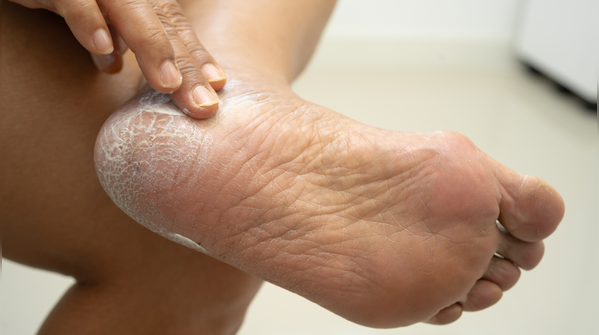
What your cracked heels say
There are certain body signs people learn to ignore over time. Dry lips during winter. Hair fall during stress. A stiff neck after long work hours. Cracked heels often fall into the same category. They are dismissed as cosmetic, hidden under socks, slippers, or silence.
But the feet tell stories.
For some people, heels remain soft despite walking barefoot for years. For others, painful cracks return every season, no matter how many creams sit beside the bed. The difference is not always about skincare. Sometimes, cracked heels quietly reflect what is happening deeper inside the body.
According to Dr Alok Kumar, Senior Consultant - Dermatology at Yatharth Hospital, cracked heels should not always be treated as a minor beauty concern.
“Cracked heels are often seen as a simple skincare concern, but in many cases, they can reflect underlying health issues or lifestyle habits,” he says.
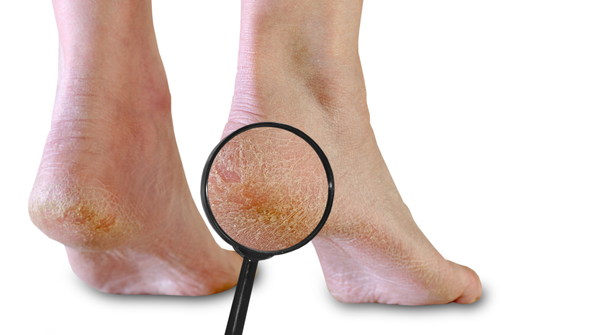
Why some people get cracked heels and others do not
The skin around the heels naturally tends to be thicker than the rest of the body. It handles pressure every single day. Walking, standing, body weight, footwear, and weather all affect it.
But not everybody develops cracks.
One reason lies in how well the skin retains moisture. Some people naturally produce better skin oils and maintain stronger skin barriers. Others lose moisture faster, especially with age. As people grow older, the skin becomes thinner, drier, and less elastic. The heels begin to split under pressure.
Lifestyle also plays a major role.
People who stand for long hours, especially teachers, healthcare workers, factory workers, and retail staff, often put continuous pressure on the heels. Open-back slippers and hard flooring make it worse. Excess body weight can increase stress on the feet, causing the skin to expand sideways until cracks appear.
Dr Kumar explains, “Prolonged dryness, dehydration, standing for long hours, obesity, nutritional deficiencies, or poorly managed diabetes can contribute to heel fissures.”
In simple words, the heels are often responding to daily strain the body can no longer quietly absorb.
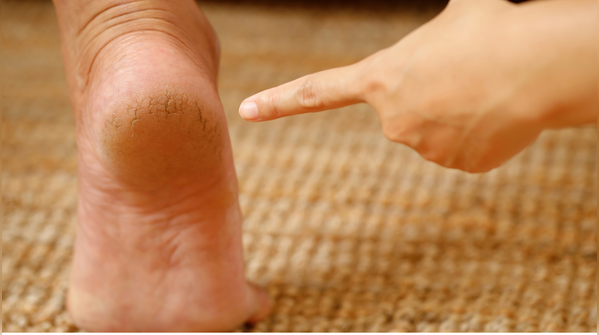
Sometimes the problem is not outside, but inside
Cracked heels can occasionally become clues to underlying health conditions.
People with diabetes frequently experience dry feet because high blood sugar affects circulation and damages nerves. Reduced sensation means small cracks may go unnoticed until they become painful or infected.
Thyroid disorders can also slow down skin renewal and reduce sweating, leaving the feet extremely dry. Poor circulation may limit the skin’s ability to heal. Nutritional deficiencies, especially low zinc, iron, omega-3 fats, and certain vitamins, may weaken the skin barrier over time.
Dr Kumar says, “In some individuals, cracked heels may also indicate circulation problems, thyroid disorders, or skin conditions like eczema and palmoplantar psoriasis.”
The body rarely sends dramatic warnings in the beginning. It often starts with subtle signs. Skin texture changes. Dryness that refuses to improve. Cracks that deepen every month.
Feet are usually the last body part people inspect carefully. That is why problems often linger longer there.
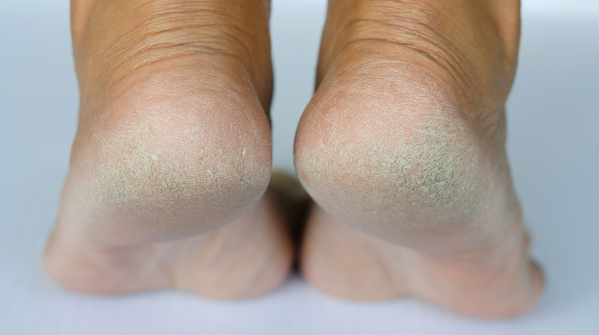
When cracked heels become painful and dangerous
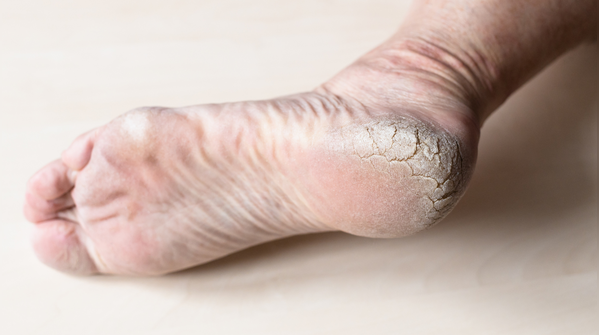
Not every cracked heel is medically serious. Many are mild and seasonal. But deep fissures can become extremely painful.
Walking may begin to hurt. The skin may bleed. Some people notice burning, itching, or thick yellow patches around the heel. Once the skin barrier breaks, bacteria and fungi find an easy entry point.
Dr Kumar points out that fungal infections and chronic skin conditions may also trigger persistent heel damage.
He says, “Tinea pedis (fungal infection), hyperkeratotic foot eczema, contact dermatitis, and PRP can also contribute to cracked heels.”
This matters more in people with diabetes because even small wounds can heal slowly. Infections may spread faster when circulation is poor.
The danger is not in having dry feet. The danger is in ignoring worsening symptoms for months while assuming they are normal.
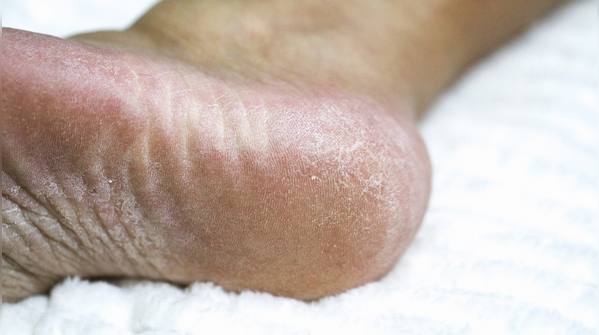
A healthy heel bends. An unhealthy one begins to harden, split, and lose flexibility.
The emotional side nobody talks about
There is also a quieter side to cracked heels that rarely enters medical conversations.
Many people feel embarrassed by them.
Some avoid wearing sandals. Others scrub their feet harshly in frustration. There is often an unspoken assumption that cracked heels reflect poor hygiene. In reality, even people who care deeply for their skin may develop them because of genetics, health conditions, or work demands.
Feet carry the body every day, yet they receive the least kindness.
In Indian households especially, women who spend hours standing in kitchens or moving constantly through the day often ignore foot pain until it becomes severe. Caregivers frequently care for everyone except themselves.
The condition may begin on the skin, but it often reflects exhaustion, neglect, overwork, and delayed self-care.
Small daily habits that actually help
The good news is that most cracked heels improve with consistency rather than expensive treatments.
Dr Kumar advises, “Maintaining proper foot hygiene, staying hydrated, using moisturizers regularly, and wearing comfortable footwear are essential preventive steps.”
Simple routines matter more than aggressive remedies.
Using thick moisturisers with urea, lactic acid, or petroleum jelly after bathing helps lock in moisture. Cotton socks worn overnight may soften the skin gradually. Gentle exfoliation once or twice a week works better than over-scrubbing.
Hydration matters too. Skin often reflects internal water balance more than people realise.
Footwear also changes outcomes significantly. Supportive shoes reduce heel pressure and prevent the skin from spreading excessively while walking.
Most importantly, persistent cracks should not be self-diagnosed endlessly online.
Dr Kumar adds, “People with diabetes should pay special attention to foot care and seek medical advice if cracks become severe or do not heal. Healthy feet are an important part of overall well-being and should never be neglected.”
Sometimes the body whispers before it screams. Cracked heels may be one of those whispers.
Disclaimer
This article is for informational purposes only and does not replace professional medical advice, diagnosis, or treatment. People experiencing severe pain, bleeding, infections, or persistent cracked heels should consult a qualified dermatologist or healthcare professional.
Featured In etimes

