
- News
- Science News
- Farm pigs were abandoned in Fukushima after the 2011 nuclear disaster: Fifteen years later, their DNA revealed something no one expected
Farm pigs were abandoned in Fukushima after the 2011 nuclear disaster: Fifteen years later, their DNA revealed something no one expected
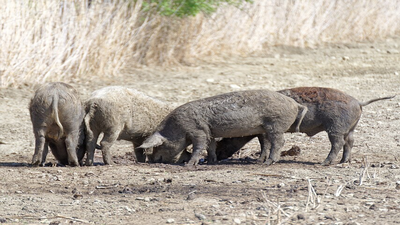
Image of farm pigs| Image Credit: Wikimedia Commons

Image of farm pigs| Image Credit: Wikimedia Commons

About the AuthorTOI Science Desk
End of Article
Follow Us On Social Media

Hot Picks
Top Trending
Tired of too many ads?go ad free now
Trending Stories
In Section
Entire Website
- US-Israel-Iran War News Live Updates: 'Very close to strong powerful deal' - Trump sees path to Iran deal despite latest escalation
- IND A vs SL A Live: Anukul Roy dents Sri Lanka's run chase
- Pak atrocity in PoK: Security forces kill atleast 11 protesters; 5 videos reveal chaos
- Govt slashes subsidised LPG cylinders under Ujjwala scheme to 4 a year
- 'Could have been murdered by contract killers if ...': Ex-TMC MP Sukhendu Sekhar Ray's big claim after quitting Mamata's party
- ITR filing FY 2025-26: What is Form 16 and where do you get it from? Top things salaried taxpayers should know
- Watch: Arjun Tendulkar shines with bat and ball, gets big applause from captain Shivam Dube in dressing room
- 'She welcomed them in, offered water': Police reveal chilling details of DU professor Debosmita Paul's final moments
- Big relief for 'Khan Sir': Patna court stays arrest in coaching centre firing case
- Jahangir Khan Arrest: Bengal STF nabs fugitive TMC neta at India-Nepal border; Falta erupts in celebrations
- US-Israel-Iran War News Live Updates: 'Very close to strong powerful deal' - Trump sees path to Iran deal despite latest escalation
- IND A vs SL A Live: Anukul Roy dents Sri Lanka's run chase
- Pak atrocity in PoK: Security forces kill atleast 11 protesters; 5 videos reveal chaos
- Govt slashes subsidised LPG cylinders under Ujjwala scheme to 4 a year
- 'Could have been murdered by contract killers if ...': Ex-TMC MP Sukhendu Sekhar Ray's big claim after quitting Mamata's party
- ITR filing FY 2025-26: What is Form 16 and where do you get it from? Top things salaried taxpayers should know
- Watch: Arjun Tendulkar shines with bat and ball, gets big applause from captain Shivam Dube in dressing room
- 'She welcomed them in, offered water': Police reveal chilling details of DU professor Debosmita Paul's final moments
- Big relief for 'Khan Sir': Patna court stays arrest in coaching centre firing case
- Jahangir Khan Arrest: Bengal STF nabs fugitive TMC neta at India-Nepal border; Falta erupts in celebrations
Tired of too many ads?go ad free now



Explore Every Corner
Across The Globe
MHT CET resultUS Iran WarChennai TNSTC BusKarnataka PU CollegesDU Professor MurderJude BellinghamPatrick Mahomes and Brittany Net WorthNFL Trade RumorsIndia Post GDS 4th Merit ListVaibhav SooryavanshiDriving Licence ValidityMamata BanerjeeJudge Gautam PatelMohammed SirajBorder Guard BangladeshDwyane Wade WifeIND A vs SL A Live ScoreGurgaon Flyover IncidentStrait of HormuzStock Market TodayDonald Trump NBACBSE Class 12th Re-EvaluationCUET UG Answer KeyBen StokesLitton DasDonald TrumpBAN vs AUSCommercial LPG shortageITR filing FY 2025-26Kajal Raju journey

Hot on the Web
Narenda ModiBatwara 1947Salman KhanPadma AwardPiyush MishraUpasana KonidelaNooru Sami TrailerTalay RileyR MadhavanKangana RanautKaty PerryHindu RitualsAlia BhattAnand MahindraShah Rukh KhanHeatwavesStrength TrainingCardi BDimple KapadiaMen Mental HealthKarnataka FAR LimitBandar Box Office CollectionKamalika Guha ThakurtaDrishyam 3 Box Office CollectionKaruppu Box Office CollectionDhurandhar 2 Box Office CollectionBlast Box Office CollectionPankaj BhadouriaJewar Airport ProjectsHoroscope TodayNuclear Weapons SpendingPostal Department PenaltyAir Asia Court OrderQuantum States For SensorsNissan Gravite MPVHuman Evolving On Tibetan PlateauLargest Islands In The WorldModern Day BrahmastraGoogle Release MosquitoesIndia Nuclear WarheadsNyt ConnectionsCaptions For Instagram Posts
Trending Topics
Gold Rate TodayVizag Steel Plant BlastKhan SirDK ShivakumarDebosmita Paul MurderMatthew Stafford And Kelly Stafford Net WorthCuba earthquakeSabyasachi Dutta ArrestNoida AirportKhan Sir Coaching Firing CaseSaket Building CollapseDelhi Gymkhana ClubCuracao football teamArjun TendulkarMorgan RiddleGeorgina RodriguezMike VrabelIgo WitekMLB Trade RumorBTSIran WarH-1B VisaTrump warns NetanyahuDonald TrumpIsraeli Ships BannedIsrael Iran CeasefireStrait of HormuzPakistan ProtestsRussia Missile AttackIran EarthquakeOpenAI IPOApple IntelligenceSam Altman Startup LayoffsSiri Delayed In EuropeTrump Visa Fee IllegalAmazon MegadealApple Headquarters ProtestIOS 27 Supported DevicesGarena Free Fire MAX Redeem CodesPeroxide CodesGenshin Impact Codes
Popular Categories
HeadlinesSports NewsBusiness NewsIndia NewsWorld NewsInternational SportsHealthBreaking NewsTravelAstrologyDeorhiTOI Young LeadersTOI Home Decor AwardsPower Creator Awards 2026TOI Ecopreneur Awards 2026Gold Rate TodayWeather TodaySilver Price TodayDelhi Weather TodayPetrol Price TodayDiesel Price TodayCNG Price TodayLPG Price TodayPetrol Price MumbaiDelhi AQIIs Bank Open TodayMumbai AQI TodayIs Bank Open TomorrowPublic Holidays in JuneBank Holidays in June
Trending Videos
Dua Lipa, Callum Turner wedding in Palermo: Elton John sings as The White Lotus venue shinesDelhi LG Proposes Recruitment of Former Agniveers to Address Fire Department VacanciesPeddi backlash grows as Jaya Bachchan and Kareena Kapoor question objectification in cinemaWhat Makes Purushottam Maas So Powerful?| 30-Day Window for Spiritual Growth | Ft. Rajpurohit MadhurPutin's War Machine 'Decimates’ Zelensky's Drone Army, Over 80 Drones Shot DownAbhyanjana - Official Trailer5-Wicket haul on debut! Manav Suthar shines for IndiaGurgaon Traffic Incident Turns into Road Rage Case After Chain CollisionManjari Fadnnis Mourns Death of Community Dog MikeyWhat makes a relationship last in today’s fast-paced world?What makes a relationship last in today’s fast-paced world?The Furious - Official TrailerAstronaut Captures Stunning Aurora Timelapse from SpaceX DragonPatitapabana Darshan at Puri’s Jagannatha TempleKaty Perry and Justin Trudeau make relationship official with hand-in-hand Tribeca red carpet debutSlumDog - 33 Temple Road - Official Kannada TeaserWayanad Health Alert: 25 Students Admitted With Suspected Shigella InfectionBig Blow For US Forces! Apache Helicopter Crashes Near Hormuz As Iran Tensions Remain High
Latest News
Hazaribag man drowns while fishing in lake"Behen Darr Gayi!": Fans relive ‘Bhagam Bhag’ era after watching Akshay Kumar's 'Bhooth Bangla' trailerMBOSE HSLC result 2026 to release tomorrow: Check details hereIran war risk: JPMorgan CEO Jamie Dimon warns of oil shocks, sticky inflation and higher interest ratesMake your clutch last longer with these easy driving tips“Three-against-one situation”: El Rubius opens up on being “targeted” in MrBeast’s viral $1M challengeBihar BTSC lab assistant notification released for 1091 posts at btsc.bihar.gov.in; apply hereIPL craze costs techie Rs 1.46 lakh in fake RCB vs CSK ticket scamRaising “robot-proof” kids: Why creativity and curiosity matter more than everInside ‘Satguru Sharan’: Exploring Saif Ali Khan and Kareena Kapoor Khan’s Rs 100 crore Bandra homeHow selling Alaska in 1867 was a costly mistake for Russia'Hera Pheri 3 is coming': Paresh Rawal dismisses delay reports and reveals he will 'start shooting soon'US-Iran War: A daring rescue Hollywood blockbuster is on its way. Till then, pick your favourite from these 10 films on bringing someone home against all oddsKolkata team unveils fan mural at Rash Behari Avenue, celebrating city’s first loveHow US spread a lie to rescue a pilot of a jet shot down in IranNetflix unveils ‘VOID’, an AI model that can change a movie plotAI data centers are causing 'stress' not just to tech companies, but also private insurers"Trans women are.....": Clavicular’s viral moment with trans women sparks fresh conversation on internet culture
Copyright © 2026 Bennett, Coleman & Co. Ltd. All rights reserved. For reprint rights: Times Syndication Service