
- News
- Science News
- Archaeologists uncover a roughly 400-year-old Arabic document letter confirming the existence of a legendary Nubian king
Archaeologists uncover a roughly 400-year-old Arabic document letter confirming the existence of a legendary Nubian king
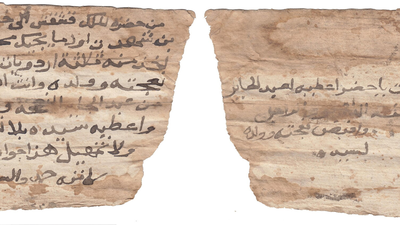
Image of an Arabic document issued under King Qashqash| Image Credit: Wikimedia Commons
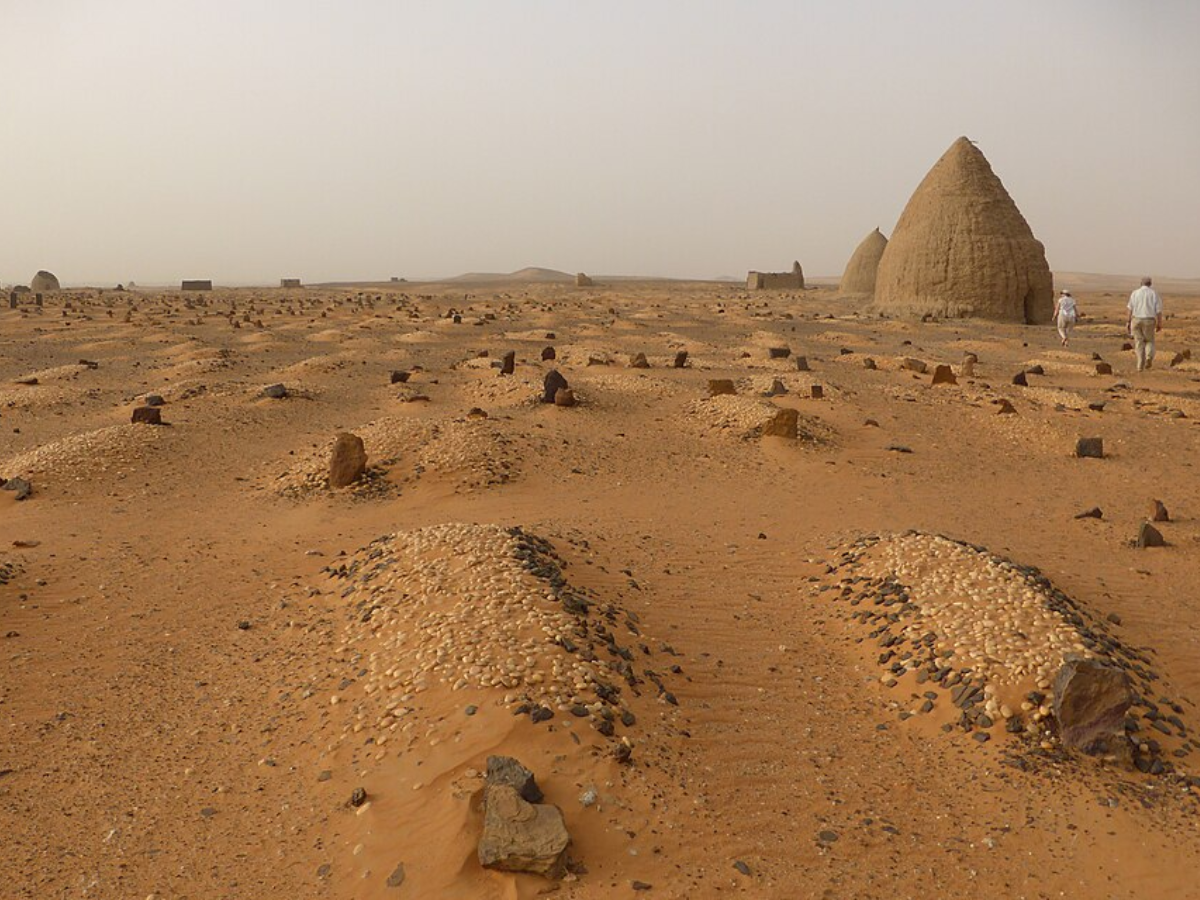
Image of Old Dangola, Nubian town| Image Credit: Wikimedia Commons

About the AuthorTOI Science Desk
End of Article
Follow Us On Social Media

Hot Picks
Top Trending
Tired of too many ads?go ad free now
Trending Stories
In Section
Entire Website
- Byju’s founder Raveendran sentenced to six months in jail for contempt of court: Report
- Dreaming of The Family Man style spy life? Here’s how to get a job in India's intelligence agencies
- Pigs, protests and police: Mira Road tensions flare over Bakrid goats in housing society
- Amanda Nunes and Nina Nunes combined net worth in 2026: UFC earnings, endorsements, investments, and family lifestyle
- 'No accountability, no shame': Rahul Gandhi targets PM Modi over CBSE results row
- 'Chosen one': WWE superstar wears Vaibhav Sooryavanshi jersey, video goes viral - Watch
- Air India Delhi-San Francisco flight returns after 8+ hours in air due to technical snag
- Air India Cuts Domestic Flights: carrier trims June–Aug 2026 routes; cites high fuel costs
- Byju Raveendran reacts to Singapore court order: ‘Cannot allow false & one-sided narrative to go uncontested’ - read full statement
- Watch: Virat Kohli marks bowling run-up, teases fans during RCB vs GT IPL Qualifier 1
- Byju’s founder Raveendran sentenced to six months in jail for contempt of court: Report
- Dreaming of The Family Man style spy life? Here’s how to get a job in India's intelligence agencies
- Pigs, protests and police: Mira Road tensions flare over Bakrid goats in housing society
- Amanda Nunes and Nina Nunes combined net worth in 2026: UFC earnings, endorsements, investments, and family lifestyle
- 'No accountability, no shame': Rahul Gandhi targets PM Modi over CBSE results row
- 'Chosen one': WWE superstar wears Vaibhav Sooryavanshi jersey, video goes viral - Watch
- Air India Delhi-San Francisco flight returns after 8+ hours in air due to technical snag
- Air India Cuts Domestic Flights: carrier trims June–Aug 2026 routes; cites high fuel costs
- Byju Raveendran reacts to Singapore court order: ‘Cannot allow false & one-sided narrative to go uncontested’ - read full statement
- Watch: Virat Kohli marks bowling run-up, teases fans during RCB vs GT IPL Qualifier 1
Tired of too many ads?go ad free now



Explore Every Corner
Across The Globe
Iran War NewsSai SudharsanDivya deshmukhIndian Origin Woman Kill in VirginiaVaibhav SooryavanshiRCB vs GT HighlightsTMCSiddaramaiahCM VIjaySuvendu AdhikariPinarayi VijayanKTET Result 2026NeymarKarnataka CM ChangeJosh Jacobs GirlfriendBank holiday todayGold Rate TodayKerala CM ED RaidByju founderGlenn PhillipsMira Road Housing SocietyHimachal Forest FireBank Holiday TodayKerala DHSE Plus One ResultTushar KumarByjus RaveendranVirat KohliIPL Match TodayByju's crisisAir India flights

Hot on the Web
Priya KapurRanveer SinghEid-ul-Adha WishesHema MaliniRanveer Singh ControversyRam CharanImtiaz AliWhen is BakridFarhan AkhtarBakrid WishesDrishyam 3 Box Office CollectionPrashanth NeelDhurandhar Television PremiereImtiaz AliSuresh GopiChand Mera Dil Box Office CollectionMeenakshi SeshadriAishwarya Rai BachchanSalman KhanKaruppu Box Office CollectionVirat KohliAshoke PanditPopular FoodSnake Parks in IndiaKangana RanautAR RahmanBaby NamesDhurandhar 2 Box Office CollectionPati Patni Aur Woh Do Box Office CollectionHoroscope TodayHarpy Eagle Vs Philippine EagleVenomous Vs Non Venomous SnakesUS Powerball LotteryHighest Anaconda PopulationWorld Highest Paid AthletesRussia OreshnikNyt ConnectionsTwisha Sharma Death CaseRanveer Singh BannedChina New Humanoid RobotS 400Captions For Instagram Posts
Trending Topics
Gurgaon fake clinicRed Balloon AerospaceAbhishek BanerjeePune BakridBengaluru WeatherMumbai hit-and-runKashyapi DamK AnnamalaiCBSE re-evaluationMLA Jagroop Singh GillCM Pinarayi VijayanDU girl 'rape' caseBank holiday todaySiddaramaiahSuvendu AdhikariDelhi temperatureAbhishek BanerjeeTwisha SharmaKolkata Messi statueEbola bengaluruKarnataka CM newsSiddaramaiahIndian Navy Piracy AttackGolders Green FireEbola AlertDelhi Smart Ration DistributionPakistan Baseless RemarksDelhi Illegal Animal SacrificeKasauli Forest FireIPL Purple CapCloudflare LayoffApple Google Seek CourtApple Theft DetectionJeff BezosAI Guided Cruise Missiles007 First lightAndrew MacdonaldTim CookGarena Free Fire MAX Redeem CodesPeroxide CodesGenshin Impact Codes
Popular Categories
HeadlinesSports NewsBusiness NewsIndia NewsWorld NewsInternational SportsHealthIndian TV ShowsTechnologyTravelEtimesAstrologyDeorhiAutoTechnology NewsGold Rate TodayWeather TodaySilver Price TodayDelhi Weather TodayPetrol Price TodayDiesel Price TodayCNG Price TodayLPG Price TodayPetrol Price MumbaiDelhi AQIIs Bank Open TodayMumbai AQI TodayIs Bank Open TomorrowPublic Holidays in MayBank Holidays in May
Trending Videos
“Stay Married or Die”| Why Society Still Fears Divorce More Than Suffering | Ft. Anand Handa West Bengal Politics Heat Up As BJP MP Claims Mass Defections From Trinamool Congress'On The Floor': Jennifer Lopez Celebrates Viral Comeback Of Iconic HitTrump's Former AG Pam Bondi's Thyroid Cancer Battle Revealed After DOJ Firing What Is The Government Trying To Address Through Its New Demography Panel?US To Break NATO's Backbone? Trump Mulls Slashing Fighter Jets, Warships & Bombers For EuropeAir India Temporarily Reduces Domestic Flight Frequencies Amid Fuel Price Surge, West Asia TensionsRathan U Kelkar’s Appointment As Kerala CM Secretary Triggers Political ControversyTrump Shocks Zelensky Again As U.S. Skips Anti-Russia Vote At UN | WatchHezbollah Unleashes Drone Fury On Israeli Forces; Tank, Troops Reportedly TargetedVIRAL: 10-Year-Old 'Diva' Confronts Trump's Masked ICE Agents; 'Why Are You Afraid?' Ebola Alert In Karnataka After Ugandan Traveller Shifted To Bengaluru Isolation Facility | WatchPakistan Army Leadership FAILS? Major Gaurav Arya EXPOSES Truth!Balochistan EXPLODES: Deadly Jaffar Express Attack EXPOSED!Robert F. Kennedy Jr.’s Snake Encounter at Mehmet Oz’s Florida Home Goes ViralSupreme Court Upholds Election Commission’s Power To Conduct Special Roll Revision Drive | WatchKohli & Anushka Spotted at Mumbai Airport After RCB Win‘Should I Quit Or Try Again?’: UPSC Aspirants React After Unpredictable Prelims 2026 Paper
Latest News
Hazaribag man drowns while fishing in lake"Behen Darr Gayi!": Fans relive ‘Bhagam Bhag’ era after watching Akshay Kumar's 'Bhooth Bangla' trailerMBOSE HSLC result 2026 to release tomorrow: Check details hereIran war risk: JPMorgan CEO Jamie Dimon warns of oil shocks, sticky inflation and higher interest ratesMake your clutch last longer with these easy driving tips“Three-against-one situation”: El Rubius opens up on being “targeted” in MrBeast’s viral $1M challengeBihar BTSC lab assistant notification released for 1091 posts at btsc.bihar.gov.in; apply hereIPL craze costs techie Rs 1.46 lakh in fake RCB vs CSK ticket scamRaising “robot-proof” kids: Why creativity and curiosity matter more than everInside ‘Satguru Sharan’: Exploring Saif Ali Khan and Kareena Kapoor Khan’s Rs 100 crore Bandra homeHow selling Alaska in 1867 was a costly mistake for Russia'Hera Pheri 3 is coming': Paresh Rawal dismisses delay reports and reveals he will 'start shooting soon'US-Iran War: A daring rescue Hollywood blockbuster is on its way. Till then, pick your favourite from these 10 films on bringing someone home against all oddsKolkata team unveils fan mural at Rash Behari Avenue, celebrating city’s first loveHow US spread a lie to rescue a pilot of a jet shot down in IranNetflix unveils ‘VOID’, an AI model that can change a movie plotAI data centers are causing 'stress' not just to tech companies, but also private insurers"Trans women are.....": Clavicular’s viral moment with trans women sparks fresh conversation on internet culture
Copyright © 2026 Bennett, Coleman & Co. Ltd. All rights reserved. For reprint rights: Times Syndication Service