
- News
- Real Estate News
- From Kota to Athangudi: 10 heritage Indian flooring designs that are back in trend
From Kota to Athangudi: 10 heritage Indian flooring designs that are back in trend
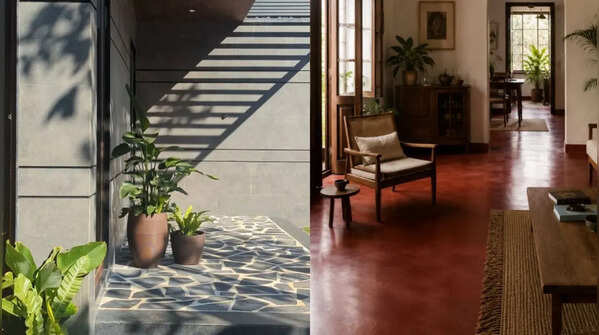
From Kota to Athangudi: 10 heritage Indian flooring designs that are back in trend
In what may be described as a revival of heritage flooring, it has been found that people are reverting to old, traditional techniques that once adorned the homes of our ancestors. Such flooring techniques not only provide longevity and adaptability to the changing climate but also ensure a sense of individuality that helps developers establish uniqueness in their products. Some traditional Indian flooring techniques include the following:
Image Credit: Instagram/ rmgdesignspune and Instagram/ theyellowwallinteriors
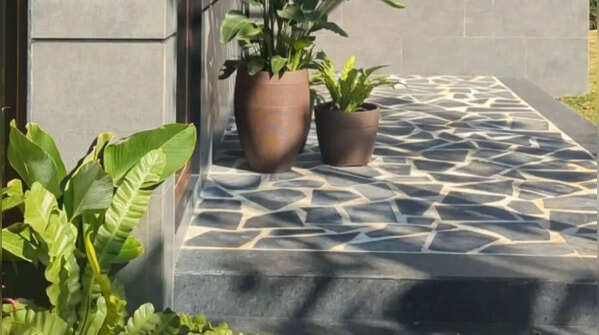
Kadappa flooring
Kadappa stone, primarily sourced from Andhra Pradesh, is a dense limestone known for its deep black or grey tone. It is widely used in both residential and commercial spaces due to its strength and affordability. The stone remains naturally cool, making it ideal for India’s tropical climate. In real estate, Kadappa is gaining attention for cost-effective premium finishes especially in staircases, courtyards and utility spaces where durability is crucial.
Image Credit: Instagram/ rmgdesignspune
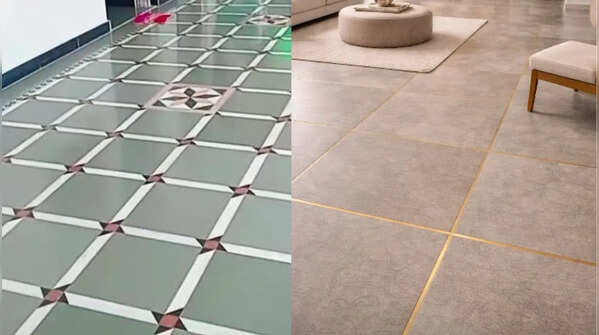
Kota Stone flooring
Kota Stone, which hails from Rajasthan, is among the most popular natural stones used in India. It has a fine grain structure and a natural hue of green-blue earthiness. The stone is highly durable and requires little maintenance due to its inherent cooling qualities making it perfect for tropical climates. For large residential developments and commercial buildings, developers prefer Kota Stone since it combines affordability with long life and elegance.
Image Credit: Facebook/ Tiles marble fitting and Instagram/ theyellowwallinteriors
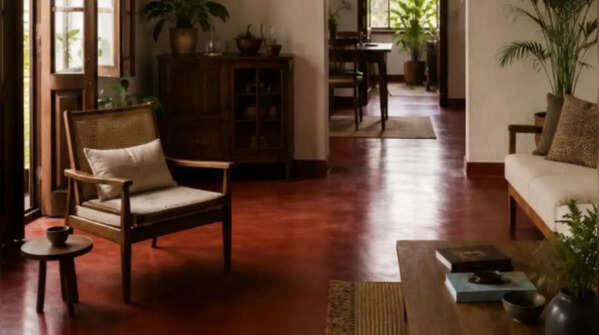
Oxide flooring
Oxide flooring, especially red oxide has re-emerged as a favourite in modern homes seeking a vintage aesthetic. Made using a mix of cement and natural oxides, it creates a seamless, glossy surface. Its popularity stems from its cost-efficiency, durability and timeless appeal. In real estate, oxide floors are increasingly used in luxury villas and heritage-style homes where minimalism and craftsmanship are valued over high-gloss imported materials.
Image Credit: Instagram/ shailly_tayal

Terrazzo flooring
Terrazzo flooring is a composite material made from marble chips, quartz, or glass embedded in cement or resin. While it has global origins, it has long been adapted into Indian construction. Terrazzo offers a highly customizable finish with varied patterns and colours. In modern real estate, it is being revived for designer interiors, lobbies and high-end apartments, due to its durability, low maintenance and ability to create unique visual identities.
Image Credit: Instagram/ terrazzco
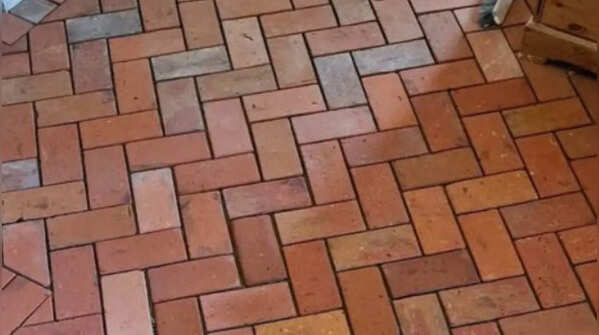
Red brick flooring
Red brick flooring, typical of traditional Indian architecture, involves using baked clay bricks to create floors with earthy colours. Eco-friendly in nature, this kind of flooring fits perfectly into sustainable designs. Red brick flooring is quite popular in farmhouses, resorts and eco-friendly homes.
Image Credit: Instagram/ Bricklayer

Athangudi tiles
Athangudi tiles are some of the most recognized traditional flooring choices. They are handmade in Tamil Nadu and involve the use of locally available sand, cement and natural oxides. They are famous for their colourful and patterned appearance, and they are highly durable and easy to maintain. They are frequently employed in boutique hotels and luxury homes, where they help imbue the space with artistry reminiscent of the Indian subcontinent's old-world charm while fitting perfectly within modern contexts.
Image Credit: Wikipedia
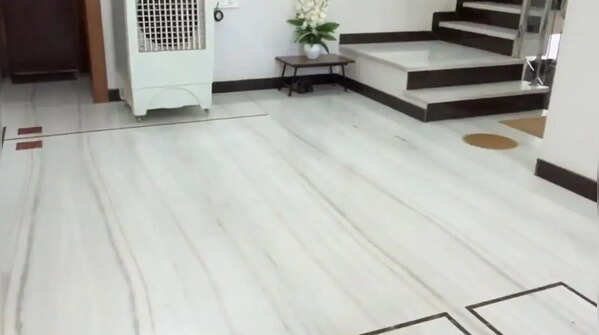
Marble flooring
Marble flooring has been an integral part of Indian architecture for centuries, especially in palaces, temples, and heritage homes. Stones like Makrana marble are known for their strength and timeless beauty. Marble offers a naturally cool surface, making it suitable for India’s climate. In real estate, it is widely used in luxury residences and premium developments, where elegance, durability, and long-term value are key considerations.
Image Credit: YouTube/ Marble flooring Jitendra sharm

Granite flooring
Granite is a natural igneous rock widely used in Indian construction due to its exceptional strength and resistance to wear and tear. Available in various colours and patterns, it provides a polished and sophisticated finish. Granite flooring is ideal for high-traffic areas such as lobbies and commercial spaces. In real estate, it is preferred for projects that require durability combined with a refined, modern appearance.
Image Credit: Instagram/ hemrajmenaria96

Cuddapah stone flooring
Cuddapah stone, closely related to Kadappa stone, is a fine-grained black limestone widely used in traditional Indian construction. It is highly durable, moisture-resistant, and remains cool underfoot. This makes it suitable for both indoor and outdoor applications. In real estate, it is often used in pathways, courtyards, and utility areas where functionality and longevity are essential without compromising on a natural aesthetic.
Image Credit: Facebook/ KMC Natural-Granite,Stones&Claddings
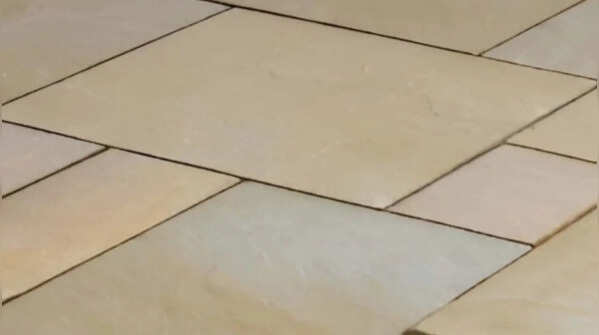
Shahabad stone flooring
Shahabad stone, sourced mainly from Karnataka and Maharashtra, is a sedimentary limestone known for its earthy tones and natural texture. It is slip-resistant, weather-resistant, and highly durable, making it ideal for outdoor flooring such as patios, pathways, and terraces. In real estate, Shahabad stone is gaining popularity in landscape design and eco-conscious projects due to its rustic appeal and low maintenance requirements.
Indian flooring material has come a long way from being an artifact of the past, to becoming a driving force in the development of future real estate. With their affordability, versatility, durability, and most importantly, sustainability, materials such as Kota, Kadappa, Athangudi, and Terrazzo have emerged as the perfect flooring solutions that can provide homeowners with spaces that are truly representative of the rich Indian architectural history while embracing modern design sensibilities and long-term environmental responsibility, ensuring both aesthetic appeal and practical functionality for years to come.
Image Credit: Instagram/ palmorevillas
Featured In Real Estate

