
- News
- Real Estate News
- 7 modern ceiling styles that add value to residential spaces
7 modern ceiling styles that add value to residential spaces
7 modern ceiling styles that add value to residential spaces
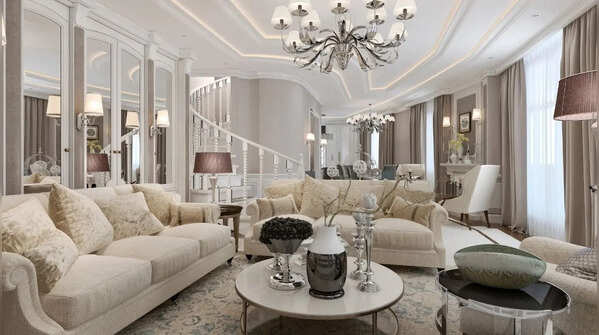
Modern interior design is no longer limited to walls, flooring, and furniture. Ceilings have become an important design element that can influence the overall appearance, functionality, and perceived value of a home. A thoughtfully designed ceiling can create visual interest, improve lighting, conceal services, and make rooms feel more spacious and sophisticated. From minimalist designs to statement-making architectural features, modern ceiling treatments are increasingly being incorporated into contemporary residences. Here are seven ceiling styles that can elevate the aesthetics and value of residential spaces.
(All Image Credits: Canva)
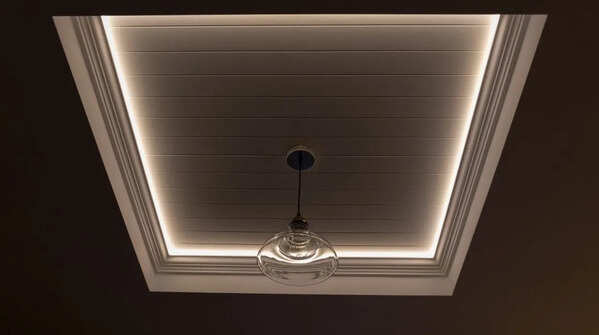
False ceiling with recessed lighting
False ceilings remain one of the most popular choices in modern homes. Typically made from gypsum or plasterboard, they create a clean and seamless appearance while concealing electrical wiring, ducts, and structural elements. Integrated recessed lighting enhances the ambience and provides layered illumination, making living rooms, bedrooms, and dining areas appear more refined and luxurious.
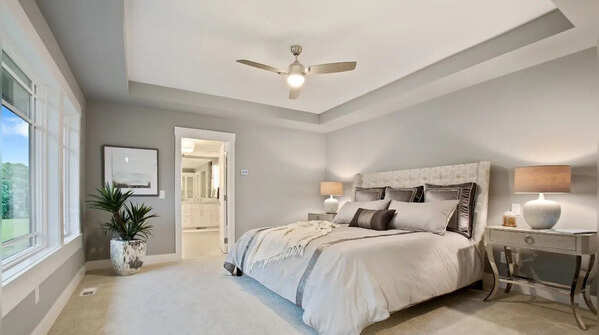
Tray ceiling design
A tray ceiling features a central section that is raised higher than the surrounding perimeter. This architectural detail adds depth and dimension without overwhelming the space. Often paired with cove lighting or decorative mouldings, tray ceilings create an elegant focal point and help larger rooms feel more visually balanced and sophisticated.
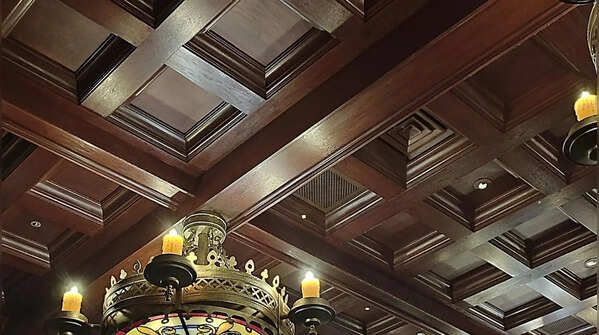
Wooden panel ceiling
Wooden ceiling panels introduce warmth, texture, and natural character to interiors. Whether using solid wood, engineered wood, or veneer finishes, this ceiling style works well in both contemporary and transitional homes. The natural grain patterns add visual richness while creating a welcoming atmosphere that enhances the perceived quality of residential spaces.
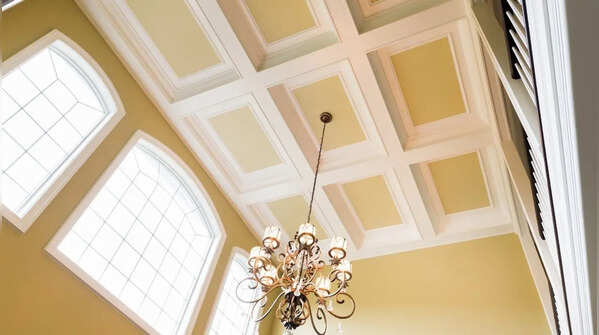
Coffered ceiling
Coffered ceilings consist of a grid of recessed panels framed by beams or mouldings. Traditionally associated with luxury homes, modern interpretations use clean lines and simplified detailing. This design creates architectural depth and a sense of grandeur, making living rooms, dining areas, and home offices feel more distinguished and visually appealing.
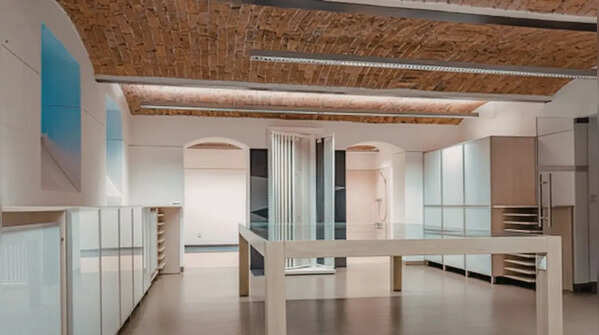
Exposed beam ceiling
Exposed beams have evolved from rustic design elements into modern architectural features. Whether constructed from timber, engineered wood, or metal, beams introduce structural character and visual interest. They draw the eye upward, create a sense of spaciousness, and add a distinctive identity to residential interiors without excessive ornamentation.
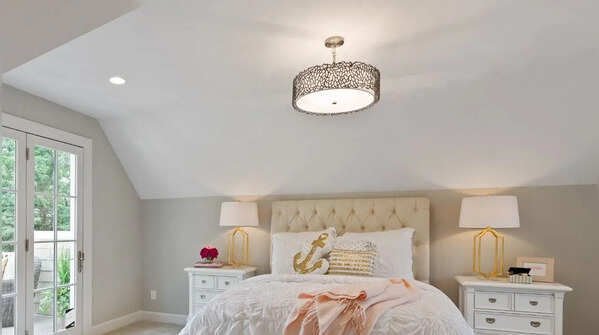
Cove ceiling
A cove ceiling uses curved or recessed transitions between walls and the ceiling surface, creating a smooth and elegant appearance. Hidden LED lighting is often incorporated within the cove to produce a soft glow. This style contributes to a calming environment and helps rooms appear more spacious and visually cohesive.
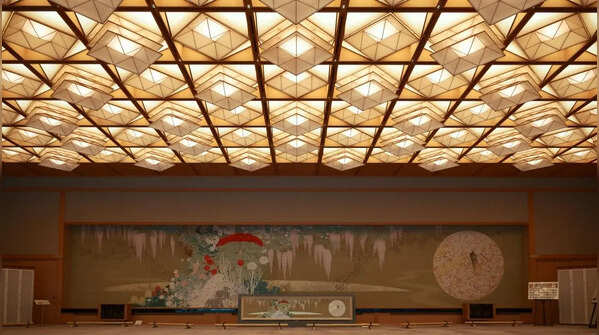
Geometric ceiling designs
Geometric ceiling patterns are increasingly popular in contemporary homes. These designs use shapes, lines, and layered forms to create a modern visual statement. Whether achieved through gypsum panels, wooden elements, or decorative mouldings, geometric ceilings add personality and artistic appeal while enhancing the overall design character of the space.
Modern ceiling designs serve both aesthetic and functional purposes, making them a valuable component of residential interiors. Whether homeowners prefer the understated elegance of a cove ceiling or the architectural impact of coffered and geometric designs, the right ceiling treatment can significantly enhance a home's visual appeal. By improving ambience, adding depth, and complementing contemporary interiors, these ceiling styles help create more attractive and valuable living spaces.
Featured In Real Estate

