
- News
- Real Estate News
- Majhe Ghar scheme: Over 5,000 applications approved, here's how to apply
Majhe Ghar scheme: Over 5,000 applications approved, here's how to apply
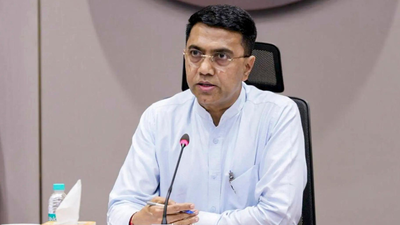
PTI file photo
What is the Majhe Ghar scheme?
How to apply
Documents required include:

About the AuthorTOI Real Estate Desk
End of Article
Follow Us On Social Media

Hot Picks
Top Trending
Tired of too many ads?go ad free now
Trending Stories
In Section
Entire Website
- US-Israel-Iran War News Live Updates: US says it 'downed multiple drones' launched by Iran targeting American forces in Kuwait
- PAK vs AUS Live Score, 3rd ODI: Pakistan look to avoid series defeat against Australia with series tied at 1-1
- Who is Sarthak Sidhant? Class 12 student stirs storm with CBSE tender allegations
- Delhi-NCR weather update: Rain brings relief, IMD issues 'red' alert for thunderstorms and hail
- Lalit Modi New Allegations: ex-IPL chief revives Kochi Tuskers row; alleges UPA, BCCI pressure
- Rajesh Exports share price today: Stock tanks 5% to hit lower circuit as SEBI bans CMD for financial irregularities
- He came. He saw, but didn't stop: Malviya Nagar hotel owner 'drove past' burning building instead of stopping to help
- ‘Everything works in Delhi’: Hotel owner Lavkesh Bajaj blames ‘other person’ in Malviya Nagar fire probe
- CBSE thwarts 3.8 million-packet cyberattack as re-evaluation portal crosses 56,000 applications
- 28L women get Rs 3,000 each under Bengal's Annapurna Yojana on day 1
- US-Israel-Iran War News Live Updates: US says it 'downed multiple drones' launched by Iran targeting American forces in Kuwait
- PAK vs AUS Live Score, 3rd ODI: Pakistan look to avoid series defeat against Australia with series tied at 1-1
- Who is Sarthak Sidhant? Class 12 student stirs storm with CBSE tender allegations
- Delhi-NCR weather update: Rain brings relief, IMD issues 'red' alert for thunderstorms and hail
- Lalit Modi New Allegations: ex-IPL chief revives Kochi Tuskers row; alleges UPA, BCCI pressure
- Rajesh Exports share price today: Stock tanks 5% to hit lower circuit as SEBI bans CMD for financial irregularities
- He came. He saw, but didn't stop: Malviya Nagar hotel owner 'drove past' burning building instead of stopping to help
- ‘Everything works in Delhi’: Hotel owner Lavkesh Bajaj blames ‘other person’ in Malviya Nagar fire probe
- CBSE thwarts 3.8 million-packet cyberattack as re-evaluation portal crosses 56,000 applications
- 28L women get Rs 3,000 each under Bengal's Annapurna Yojana on day 1
Tired of too many ads?go ad free now



Explore Every Corner
Across The Globe
Jaxson DartDelhi Malviya Nagar Hotel FireUS Iran WarNFL Trade RumorsMaria sharapovaTaylor SwiftPAK vs AUS Live ScoreConnor McDavidJalen Brunson InjuryFortnite Chapter 7 Season 3Malviya Nagar Restaurant OwnerAlastair CookKCET Result 2026Serena WilliamsSuryakumar YadavAnnapurna YojanaHumayun KabirAaron RodgersDarren DregerFloyd Mayweather JrVirat kohliAryna Sabalenka and Georgios Combined Net WorthVaibhav SooryavanshiVegas Golden KnightsNFL Trade RumorDelhi Restaurant FireDeclan Rice GirlfriendENG vs NZ Live ScoreMalviya Nagar Restaurant FireFIFA World Cup Squad

Hot on the Web
Dhurandhar 2 OTTSaif Ali KhanShah Rukh KhanSpanish ProverbRam CharanKangana RanautHeart HealthNushrratt BharucchaAhaan PandayMarjane Satrapi Death NewsShilpa ShindeArchana Puran SinghKedarnath DhamNushrratt BharucchaKheera VS KakdiDalchini Water BenefitsPeddi ReviewProtein Powder RiskBarack Obama QuoteSouth Delhi Restaurant TragedyPeabo Bryson Death NewsDeepika PadukoneUpasana KamineniDrishyam 3 Box Office CollectionKaruppu Box Office CollectionDhurandhar 2 Box Office CollectionChand Mera Dil Box Office CollectionYashAjay DevgnHoroscope TodayDelhi Malviya Nagar Fire4th Squadron S-400India Sudarshan ChakraFirstcry CompensationIAF France Jet DealHuman Evolving On Tibetan PlateauLargest Islands In The WorldJellyfish That Never DiesGoogle Release MosquitoesDelivery Firm Refund DeniedNyt ConnectionsCaptions For Instagram Posts
Trending Topics
Kuldeep YadavDevdutt PadikkalKS Bharat RetirementDelhi Malviya Nagar Hotel FireSanjay ManjrekarOmar AbdullahAbhishek BanerjeeHyderabad Bazaar FireAnnamalaiFirhad HakimPat CumminsFIFA World Cup 2026Suryakumar YadavAndrew TateNick CastellanosNedumangad MurderNFL Trade RumorTaylor SwiftUttarkashi Babita Pandey CaseKuwait airport drone attackIran WarDonald TrumpLos Angeles airport detentionJamshid GhomiPakistan Rape CaseIsrael Lebanon ceasefireOhio Car CrashFairfield High School ShootingSri Lanka Nursing Home FireMalviya Nagar Hotel FireBritish Lawmaker Sues Elon MuskGoogle Acknowledges Data CentersMustafa SuleymanNASA New WebsiteBill StaplesApple Nvidia ChipUltrahuman Data BreachHack Of The DayGarena Free Fire MAX Redeem CodesPeroxide CodesGenshin Impact Codes
Popular Categories
HeadlinesSports NewsBusiness NewsIndia NewsWorld NewsInternational SportsHealthBreaking NewsTravelAstrologyDeorhiTOI Young LeadersTOI Home Decor AwardsPower Creator Awards 2026TOI Ecopreneur Awards 2026Gold Rate TodayWeather TodaySilver Price TodayDelhi Weather TodayPetrol Price TodayDiesel Price TodayCNG Price TodayLPG Price TodayPetrol Price MumbaiDelhi AQIIs Bank Open TodayMumbai AQI TodayIs Bank Open TomorrowPublic Holidays in JuneBank Holidays in June
Trending Videos
Janhvi Kapoor Climbs 3,550 Steps Barefoot To Tirumala In Powerful Act Of Faith Viral Hit Trailer: Oji Suzuka and Ai Mikami starrer Viral Hit Official TrailerRajdip Gupta on T20 Mumbai League's vision, young talent & growthPrince William's Priceless Response To Young Fan Goes Viral'We Are No More In INDIA Bloc, Will Not Attend June 8 Meet': DMK After Congress 'Betrayal' In TNIndia's Savvy Cyprus, Armenia Play Pushes Turkey Into A Corner; Why Ankara Wants Reset In TiesIbrahim Ali Khan Moves Palak Tiwari Away From Paps, Internet Starts Speculating Hijab, No Music, Separate Timings: Kerala's 'Islam-Friendly' Gym Sparks Row, BJP Slams CongressAfter Trump’s Flirting, Mojtaba FIRES OFF Startling Response; ‘Even If US, Israel Try To…’ | WatchPutin Military 'WIPES OUT' Kyiv; Huge Fire In Ukraine Capital As Russia Hammers Zelensky HQMardi Gras Assault Case: Shia Labeouf Ordered Into Treatment After 'Transformers' Star Pleads GuiltyGreenstone Lobo Predicts Shift in Suryakumar Yadav’s Captaincy FutureMalaika Arora Pays Tribute to Pahlaj Nihalani at Funeral in MumbaiSaif Ali Khan Joins Film Fraternity in Paying Tribute to Pahlaj NihalaniGovinda Bids Emotional Farewell to Pahlaj NihalaniChild Shares Biscuit with Elephant in Heartwarming Moment'Rest In Peace Little Brother': Twila Takes Aim At 'Self-Serving' Tributes To Matt Brown‘Thank You For Coming’: Rubio Clashes With Kamlager-Dove Over Venezuela Oil Revenues & Transparency
Latest News
Hazaribag man drowns while fishing in lake"Behen Darr Gayi!": Fans relive ‘Bhagam Bhag’ era after watching Akshay Kumar's 'Bhooth Bangla' trailerMBOSE HSLC result 2026 to release tomorrow: Check details hereIran war risk: JPMorgan CEO Jamie Dimon warns of oil shocks, sticky inflation and higher interest ratesMake your clutch last longer with these easy driving tips“Three-against-one situation”: El Rubius opens up on being “targeted” in MrBeast’s viral $1M challengeBihar BTSC lab assistant notification released for 1091 posts at btsc.bihar.gov.in; apply hereIPL craze costs techie Rs 1.46 lakh in fake RCB vs CSK ticket scamRaising “robot-proof” kids: Why creativity and curiosity matter more than everInside ‘Satguru Sharan’: Exploring Saif Ali Khan and Kareena Kapoor Khan’s Rs 100 crore Bandra homeHow selling Alaska in 1867 was a costly mistake for Russia'Hera Pheri 3 is coming': Paresh Rawal dismisses delay reports and reveals he will 'start shooting soon'US-Iran War: A daring rescue Hollywood blockbuster is on its way. Till then, pick your favourite from these 10 films on bringing someone home against all oddsKolkata team unveils fan mural at Rash Behari Avenue, celebrating city’s first loveHow US spread a lie to rescue a pilot of a jet shot down in IranNetflix unveils ‘VOID’, an AI model that can change a movie plotAI data centers are causing 'stress' not just to tech companies, but also private insurers"Trans women are.....": Clavicular’s viral moment with trans women sparks fresh conversation on internet culture
Copyright © 2026 Bennett, Coleman & Co. Ltd. All rights reserved. For reprint rights: Times Syndication Service