
- News
- lifestyle
- parenting
- teens-adolescents
- GK Fact of the Day: Not just birds; 5 other animals that make “nests”
GK Fact of the Day: Not just birds; 5 other animals that make “nests”
GK Fact of the Day: Not just birds; 5 other animals that make “nests”
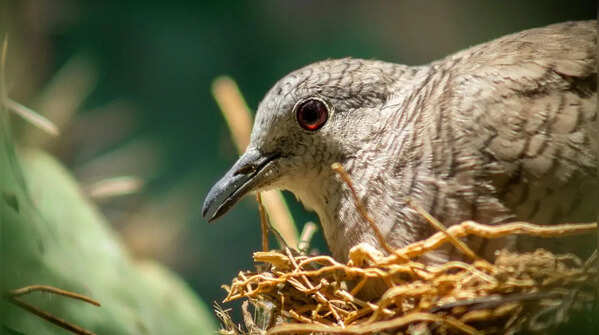
Birds are the best-known nest builders, constructing nests to protect their eggs, young, or sometimes themselves, but they are far from the only ones. Many insects, fish, amphibians and mammals also build nests, using soil, leaves, twigs, plant fibres, or even froth. Here are five animals, other than birds, that also act as nature's tiny architects:
Ants
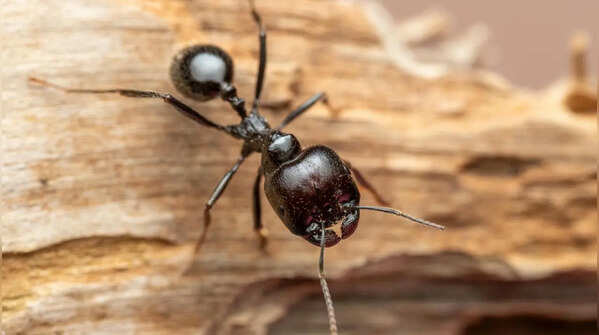
Ants are expert nest builders. Some species dig deep underground homes with tunnels and separate chambers, while others build nests above ground from twigs, sand or gravel. Weaver ants are especially interesting because they pull leaves together and use silk made by their larvae to hold the nest in place. These nests protect the colony and help organise daily life.
Termites
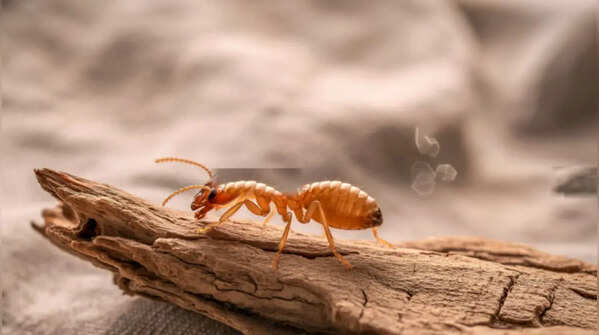
Termites build some of the most complex nests in the animal world. Their nests are warm, damp, and dark, which helps them avoid drying out. Many termite nests also have ventilation passages that control airflow, temperature and humidity. In some species, the nest can include underground chambers and mound-like structures that act almost like natural climate-controlled homes.
Fish
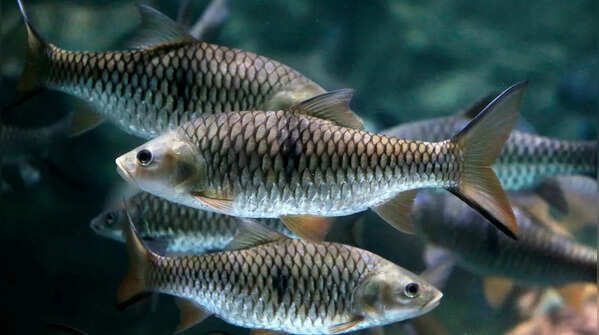
Some fish also build nests, and the three-spined stickleback is a famous example. The male makes a nest from plant fragments and binds them with a sticky secretion produced by his kidneys. They use the nests to attract females and also protect the eggs. In fish, nesting is often tied closely to breeding and parental care.
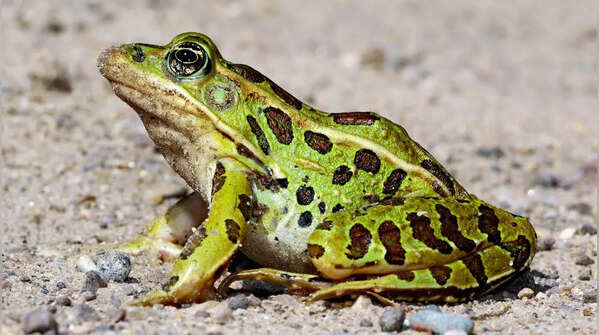
Frogs
A few frog species build nests too, especially foam nests. In these frogs, the eggs are placed in a frothy mass that helps keep them safe from predators, parasites, heat and drying out. The foam can stay stable for days in tropical conditions. This is a clever survival strategy because it gives the eggs a moist, protective environment before they hatch.

Squirrels
Nests created by squirrels are called dreys. The drey is generally constructed from intertwined twigs in the shape of a sphere, containing soft materials like mosses, grass, leaves, and pieces of tree bark. This type of nest is always built at a higher elevation, very near the tree trunk, which keeps them safer from all predators.
Nest-building is not a bird-only trait. Across the animal kingdom, nests serve the same basic purpose: safety, shelter, and support for young life. Ants, termites, fish, frogs, and squirrels each build nests differently, showing how nature adapts the same idea to very different bodies, habitats, and needs.
All Image Credits: Canva
Featured In lifestyle

MORE FROM ETIMES
life & style