
- News
- lifestyle
- parenting
- teens-adolescents
- 11 psychological skills every child should learn early in life to succeed
11 psychological skills every child should learn early in life to succeed
11 psychological skills every child should learn early in life to succeed
The children who often appear the most “successful” later in life are not always the ones who memorized the most facts first. More often, they are the ones who learned how to pause, recover, adapt and stay with a problem long enough to solve it. Psychologists often describe this cluster of abilities as executive function and self-regulation, the brain’s internal system for managing information, making decisions, controlling impulses and planning ahead. These abilities shape how children respond to challenges, handle emotions and persist when things become difficult. The encouraging part is that such skills are not fixed at birth; they can be built, practiced and strengthened over time. Here are 11 psychological skills every child should learn early in life to succeed.
1. Pause before reacting
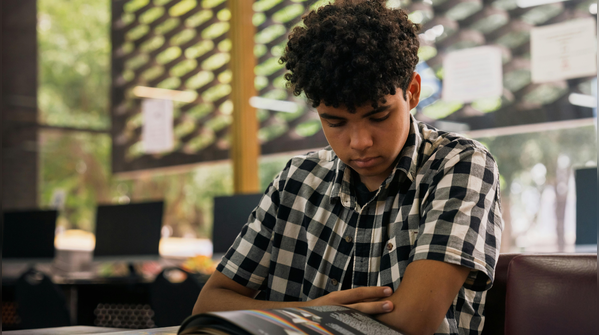
The smallest gap can change everything. A child who learns to stop for a beat before answering, grabbing or snapping is already building self-control. That pause is not passive; it is the moment when the brain chooses a response instead of running on impulse. Harvard’s child-development work places self-control at the heart of executive function, alongside working memory and mental flexibility.
2. Name the feeling
Children are not born with a full emotional vocabulary, which is why naming feelings early matters so much. The NHS recommends helping young children identify emotions by saying what they may be feeling, happy, sad, angry, so they gradually learn the words for what is happening inside them. A child who can name a feeling is less likely to be owned by it.

3. Ask for help without shame
One of the most useful lessons a child can learn is that struggle is not a private failure. It helps when children understand that they can talk to someone other than a parent as well, a grandparent, teacher, aunt, uncle or counsellor, because support can come from more than one place. When children grow up knowing that asking for help is normal, they do not waste energy pretending everything is fine. Instead, they learn that reaching out is a strength, not a weakness, and that problems often become lighter when shared.

4. Break big problems into small steps
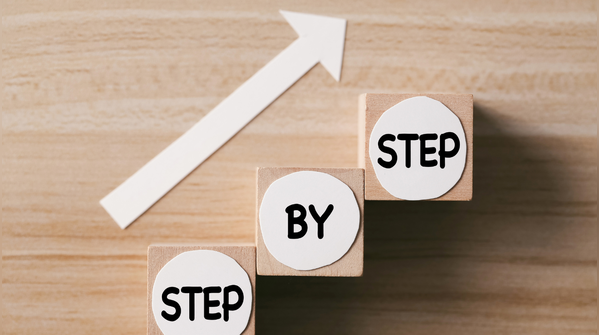
A big task often feels impossible only because it has not been divided yet. Executive function helps children plan, focus attention and juggle tasks, which is why teaching them to split homework, chores or goals into smaller parts is so powerful. A child who learns to think in steps is learning how to think like a planner, not a panicker.

5. Switch gears when life changes
Some children cling so tightly to one plan that any disruption feels like disaster. Mental flexibility teaches the opposite: change the route, not the destination. Harvard describes executive function as the ability to plan, focus attention and switch gears, and that flexibility becomes useful everywhere, in classrooms, friendships and later in work.

6. Add the word “yet”
A child who says, “I cannot do this,” often sounds defeated. A child who says, “I cannot do this yet,” sounds in progress. APA notes that growth-mindset work can help keep students motivated when they face challenges and can improve outcomes such as grades. The point is not false optimism; it is learning to treat ability as something that grows with effort and practice.

7. Learn that mistakes are information
Many children collapse the first time they are corrected, as if being wrong means being bad. That is why adults should frame mistakes as clues, not verdicts. APA’s guidance on praise and resilience points toward the value of encouraging effort and learning rather than treating talent as the whole story. Children who learn this early stay braver for longer.

8. Calm the body first
A child in a storm of feelings cannot usually think their way out of it. What helps first is calming the body before trying to solve the problem. When a child is given time to slow their breathing, settle down and recognise what they are feeling, reasoning becomes easier. Psychologists often emphasise that emotion regulation depends on skills such as attention, planning, cognitive development and language. That is why simple practices like pausing, breathing slowly and offering reassurance can make such a difference. Once the body settles, the mind is far more ready to listen, reflect and respond.

9. Wait a little longer for the reward
Delay is an underrated life skill. Harvard’s research on executive function includes the ability to delay gratification, along with setting goals, solving problems and sustaining attention. Children who practice waiting for a turn, saving allowance money or finishing work before play are not just being “good”; they are rehearsing the discipline that makes bigger goals possible later.

10. Bounce back after disappointment
Resilience is not about never falling apart. It is about learning how to adapt. American Psychological Association describes resilience as the process and outcome of successfully adapting to difficult or challenging life experiences, and it also notes that resilience skills can be learned. In practice, this often grows through everyday experiences such as facing disappointment, solving small problems, navigating friendships, and slowly realising that difficult emotions can be endured without losing a sense of direction or self-worth. This means setbacks, disappointments and emotional storms can gradually become training grounds where children learn patience, perspective and the quiet confidence that they can stand up again. That is a hopeful truth for children: the ability to recover is not reserved for a lucky few.

11. Protect attention like a valuable thing
In a distracted world, focus is almost a superpower. Harvard University research stresses that executive function includes the ability to focus attention, hold information in mind and follow through. It is the mental discipline that helps a child stay with a task, resist constant digital distractions and steadily work toward completing what they have started. Children who learn to finish one thing before chasing the next, and who are taught to reduce distractions when they need concentration, carry that advantage into school and beyond.
Featured In lifestyle

MORE FROM ETIMES
life & style