
- News
- Health News
- You don’t have diabetes, but your blood sugar may still be unstable: What to watch and how to fix it
You don’t have diabetes, but your blood sugar may still be unstable: What to watch and how to fix it
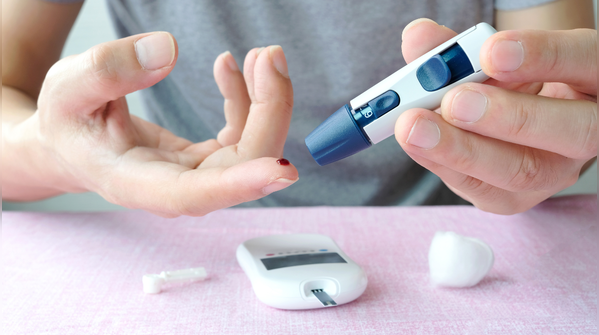
Why does our blood sugar swings even if we don’t have diabetes?
Many people assume that blood sugar problems only belong to those with diabetes. That is not entirely true. A growing number of people have “normal” test results, yet feel tired after meals, crave sugar often, or experience sudden dips in energy. These are not random symptoms. They can point to unstable blood sugar levels, even in people who are not diabetic.
This grey zone goes unnoticed. It sits quietly between good health and disease. And if ignored for long, it can slowly push the body toward metabolic trouble.

What does “unstable blood sugar” really mean?
Blood sugar, or glucose, is the body’s main fuel. After eating, levels rise. Then insulin helps bring them back down. In a healthy system, this rise and fall is smooth.
But sometimes, the body struggles to maintain that balance. Sugar may spike quickly after meals and crash just as fast. This creates a cycle of highs and lows.
It may not show up as diabetes in tests, but the body feels it. That is why some people feel sleepy after eating, shaky between meals, or unusually irritable without clear reason.
We spoke to Dr Jatin Kumar Majhi, Associate Consultant - Endocrinology, Manipal Hospital Bhubaneshwar, who explained, "You may not have diabetes, but that doesn’t mean your blood sugar is steady. Many people experience frequent spikes and crashes without realizing it. The result? Energy dips, cravings, poor concentration, and even mood swings."

Why it happens even without diabetes
Several everyday factors can disturb blood sugar control, even in otherwise healthy individuals.
One common reason is insulin resistance. The body still produces insulin, but cells stop responding properly. This forces the pancreas to work harder.
Another reason is diet patterns. Meals high in refined carbs, sugary drinks, and irregular eating times can create sharp spikes.
Stress also plays a quiet role. When stress hormones rise, they push blood sugar up. Poor sleep adds to the problem.
According to the ResearchGate, India is seeing a rise in “pre-diabetic” metabolic patterns even among younger adults.
Similarly, the National Institute of Diabetes and Digestive and Kidney Diseases (NIDDK) highlights that insulin resistance can exist for years before diabetes develops.

The subtle signs people often ignore
Unstable blood sugar rarely shouts. It whispers.
Some signs include:
Feeling drained after meals
Sudden hunger, even after eating
Sugar cravings late in the day
Brain fog or poor concentration
Mood swings without clear triggers
These signs are easy to dismiss. Many people blame work stress or lack of sleep. But when they appear often, they deserve attention.

What the body is trying to tell you
There is a deeper message behind these fluctuations. The body is struggling to manage energy efficiently. This is not very different from how other conditions begin quietly. The body often signals distress early. The problem is not absence of signs. It is how easily they are overlooked.
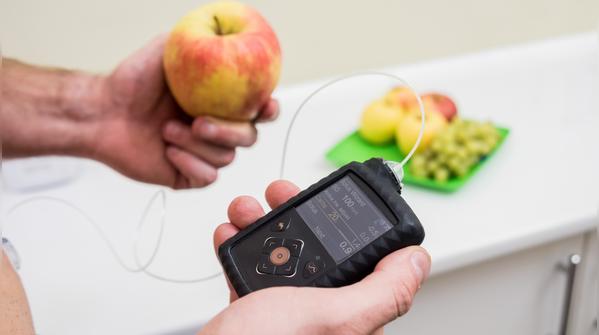
How to bring stability back
As per Dr Majhi, "Fixing it is simpler than it sounds, but it takes consistency. Start by building balanced meals—combine protein, healthy fats, and fiber with your carbs. For example, pair rice with dal, vegetables, and a source of fat like ghee or nuts. Avoid starting your day with just sugar-heavy foods. Eat at regular intervals to prevent sharp drops. Movement helps more than most people think. A short walk after meals can blunt sugar spikes. Sleep and stress management matter just as much as diet."Fixing blood sugar does not always require drastic change. Small, steady habits matter more.
Start with meals
Add protein, fibre, and healthy fats to each meal. This slows sugar absorption.
Avoid long gaps
Skipping meals can lead to sharp drops, followed by overeating later.
Move after eating
A simple 10-15 minute walk helps the body use glucose better.
Sleep well
Studies from the NIH show poor sleep affects insulin sensitivity.
Manage stress
Breathing exercises, light yoga, or even quiet time can help regulate hormone balance.
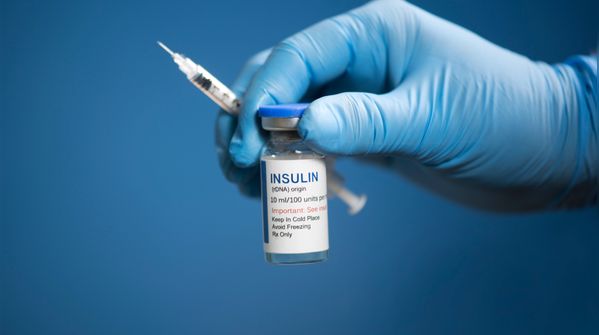
When should you get checked?
If symptoms persist, basic tests can help. Fasting glucose, HbA1c, and insulin levels give a clearer picture. Early action matters. It is much easier to correct mild instability than to reverse full-blown diabetes later.
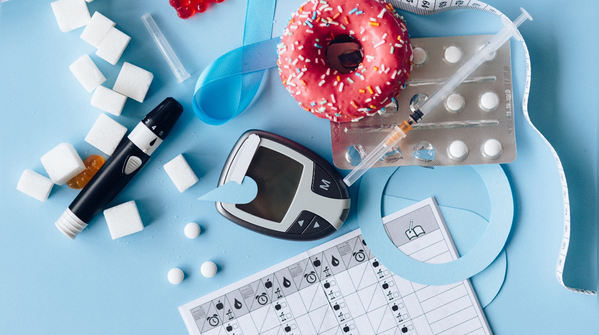
A shift that deserves attention
Blood sugar instability is not a disease. But it is not harmless either. It sits at a turning point. One path leads back to balance with simple lifestyle changes. The other slowly moves toward chronic illness. Paying attention to small signals today can prevent bigger problems tomorrow.

Medical experts consulted
This article includes expert inputs shared with TOI Health by:
Dr Jatin Kumar Majhi, Associate Consultant - Endocrinology, Manipal Hospital Bhubaneshwar.
Inputs were used to explain why blood sugar can become unstable even without diabetes, and what early signs to watch along with simple ways to manage it.
Featured In Health

