
- News
- Health News
- PCOS isn’t only a fertility issue anymore: The hidden metabolic risks women must know
PCOS isn’t only a fertility issue anymore: The hidden metabolic risks women must know

The problem with calling PCOS “just a women’s issue”
For years, conversations around PCOS mostly revolved around missed periods, acne, unwanted facial hair, and difficulties in getting pregnant. Many women were told to worry about it only when they planned a family. Until then, it was often brushed aside as “hormonal imbalance” or a lifestyle issue that could wait.
But the science around PCOS has changed dramatically.
Doctors across the world are now warning that Polycystic Ovary Syndrome is not only a reproductive condition. In many cases, it quietly affects metabolism, hormones, heart health, sleep patterns, mental wellbeing, and even the body’s ability to process insulin properly.
That shift in understanding is so significant that experts have started discussing whether the condition should even continue to be called PCOS at all.
According to the NIH, PCOS affects a large number of women in India, especially adolescents and young adults, with lifestyle patterns and rising obesity rates adding to the concern.
Why experts are questioning the name PCOS itself
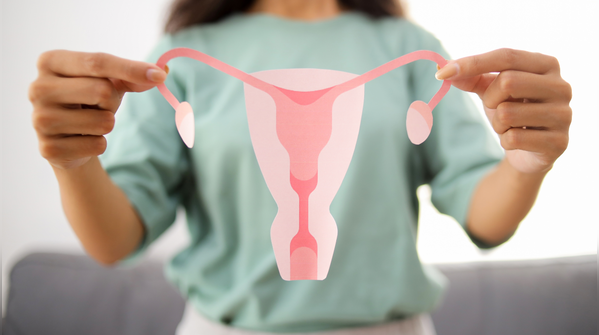
The term “PCOS” makes the ovaries sound like the centre of the problem. But many women with the condition do not even have ovarian cysts. Some struggle more with weight gain, fatigue, or abnormal sugar levels than fertility-related symptoms.
That is why some experts are proposing a new term: PMOS, or Polyendocrine Metabolic Ovarian Syndrome.
Explaining the significance of this shift, Dr Priya Bansal, Senior Consultant, Gynaecology and GynaeOncology, Medanta Noida, says, “The proposed shift from PCOS to ‘Polyendocrine Metabolic Ovarian Syndrome (PMOS)’ reflects a much-needed evolution in how we understand this condition. For years, PCOS has largely been perceived as a reproductive or ovarian disorder because of symptoms such as irregular periods, acne, infertility, or cystic ovaries. However, clinical evidence increasingly shows that it is a far more complex metabolic and endocrine condition that can affect multiple systems in the body.”
The proposed terminology may sound technical, but the idea behind it is simple: women deserve a diagnosis that reflects the full reality of what is happening inside the body.

The silent metabolic risks many women do not notice early
One of the biggest concerns around PCOS is insulin resistance. In simple terms, the body struggles to use insulin properly, causing sugar levels to behave abnormally. Over time, this can increase the risk of type 2 diabetes.
What makes this dangerous is that many women may look healthy from the outside while these changes quietly build within the body.
Dr Bansal explains, “Many women with PCOS also struggle with insulin resistance, obesity, chronic inflammation, lipid abnormalities, and an increased long-term risk of type 2 diabetes and cardiovascular disease. In several cases, these metabolic concerns may begin much earlier than the reproductive symptoms themselves.”
This is where the conversation around PCOS becomes bigger than fertility.
A woman may visit a clinic for acne or irregular periods, but underlying cholesterol imbalance, inflammation, elevated blood sugar, or abdominal fat may already be affecting long-term health.
In many ways, PCOS behaves less like a single disease and more like a chain reaction inside the body.

Why mental health and body image cannot be separated from PCOS
There is another side to PCOS that rarely gets enough attention: emotional exhaustion.
Weight fluctuations, acne flare-ups, hair thinning, facial hair growth, and years of unpredictable symptoms often affect self-esteem deeply. Many women spend years blaming themselves before getting a proper diagnosis.
The condition can also impact sleep, stress hormones, mood stability, and anxiety levels.
A study published in the NIH, highlighted that women with PCOS are more likely to experience anxiety and depression compared to women without the condition.
This is why experts increasingly argue that treatment cannot stop at prescribing hormonal pills alone.
Nutrition counselling, exercise guidance, sleep correction, emotional support, and regular metabolic screenings are becoming equally important parts of care.

Why early diagnosis could change everything
One of the biggest problems with PCOS is delay.
Many women spend years hearing that irregular periods are “normal,” weight gain is due to laziness, or acne is just cosmetic. By the time proper medical intervention begins, metabolic complications may already be progressing silently.
Dr Bansal says, “A more accurate name may also improve early diagnosis, especially in women who do not present with classic ovarian symptoms but continue to experience metabolic dysfunction. Importantly, it can help reduce the misconception that the condition only impacts fertility.”
This matters because early intervention can significantly reduce future health risks.
Simple changes like strength training, balanced nutrition, sleep regulation, reducing processed sugar intake, and regular health monitoring have shown benefits in managing insulin resistance and inflammation.
But none of this works if women are made to believe that PCOS only matters when pregnancy becomes a concern.
PCOS care needs to become broader, kinder, and more honest
The growing discussion around PMOS is not only about changing a medical term. It reflects a deeper attempt to correct years of incomplete understanding.
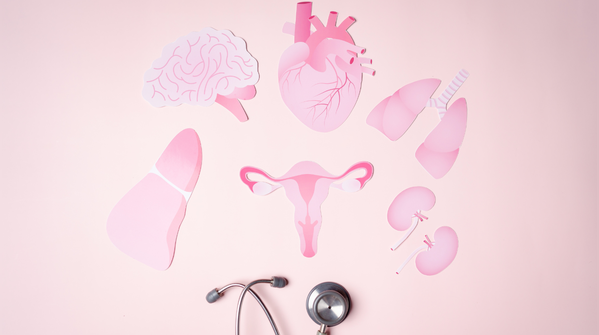
Women with PCOS are not just dealing with ovaries. They are navigating hormonal shifts, metabolic changes, emotional fatigue, body image struggles, and long-term health risks that deserve serious attention.
Dr Bansal further notes, “Lifestyle intervention, nutritional support, mental health care, hormonal balance, and metabolic monitoring all play a critical role in long-term management. At a public health level, greater awareness and clearer terminology could encourage earlier screening and multidisciplinary care, which is essential given the rising prevalence of the condition globally.”
The message is becoming clearer now: PCOS is not a future fertility problem. For many women, it is a present-day whole-body health condition that needs earlier care, deeper awareness, and far more compassionate conversations.

Medical experts consulted
This article includes expert inputs shared with TOI Health by:
Dr Priya Bansal, Senior Consultant, Gynaecology and GynaeOncology, Medanta Noida.
Inputs were used to explain why PCOS should no longer be seen as only a fertility disorder, and how the condition is increasingly linked to serious metabolic and endocrine health risks such as insulin resistance, diabetes, obesity, and cardiovascular disease.
Featured In Health

