
- News
- Health News
- Pancreatic cancer often starts silently: Early symptoms you shouldn’t ignore
Pancreatic cancer often starts silently: Early symptoms you shouldn’t ignore
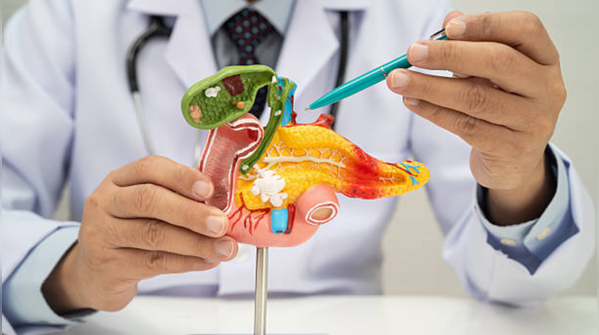
Pancreatic cancer does not cause noticeable symptoms
“Pancreatic cancer is often called a silent disease because it rarely causes noticeable symptoms in its early stages. By the time patients recognize there is a problem, it has usually progressed to advanced stages of disease. In addition to an absence of visible symptoms, people also tend to identify early symptoms with common digestive complaints and fail to seek medical evaluation. Patients can benefit from knowing their own bodies and recognising these subtle changes that are signs of more serious problems,” Dr. Balaji G, Senior Consultant – Medical Gastroenterology, Hepatology & Interventional Endoscopy, KIMS Hospitals (Krishna Institute of Medical Sciences), Electronic City, Bengaluru told TOI Health. Dr. Balaji has shared the early symptoms of pancreatic cancer that people often miss.

Blood sugar abnormalities
People who are diabetic,may experience persistent high sugars or sudden uncontrollable sugars. They will experience digestive discomfort such as bloating or indigestion and/or a feeling of being full after a small meal may be experiencing problems due to poor pancreatic enzyme production. While these same signs could result from excess acid secretions or gastritis, the distinguishing factor in these cases will be the persistence of the signs over a period of time.
Not just weight gain: Doctor explains the hidden metabolic crisis damaging millions of Indians every day
Hantavirus warning: US CDC advises not to use vacuum cleaners to clean rat droppings; here's why

Unexplained weight loss
When weight loss occurs without attempting to lose weight it is usually the sign of a serious disease. Pancreas cancer will interfere with your ability to digest and absorb foods properly as well as with how you will metabolize what you eat.
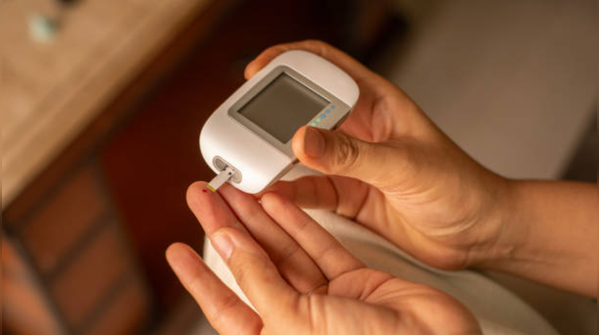
Newly diagnosed diabetes
When an adult (aged 50 years or older) is newly diagnosed with diabetes (particularly if there is no documented family history), it can sometimes be indicative of pancreas cancer. The pancreas is the main gland responsible for insulin production, and tumours may disrupt this function.

Fatigue & weakness
If you are constantly tired and fatigued after a prolonged period of taking a break from work, this is not normal. Cancer-related fatigue tends to be much deeper and longer-lasting than being tired from overwork.

Back & abdominal pain
As the cancerous tumour continues to grow, it will begin to press on the nearby nerves & organs, and may eventually lead to pain in the upper part of your abdomen, the middle or lower part of your back, or both. This pain may initially come & go, making it easy to disregard.

Changes to your digestion and stool
Pale, oily, greasy, and/or foul-smelling stools due to a deficiency of pancreatic enzymes will typically be a sign that the fat content in your diet is not being properly digested/absorbed. This symptom can easily be overlooked but can help to indicate pancreas cancer.
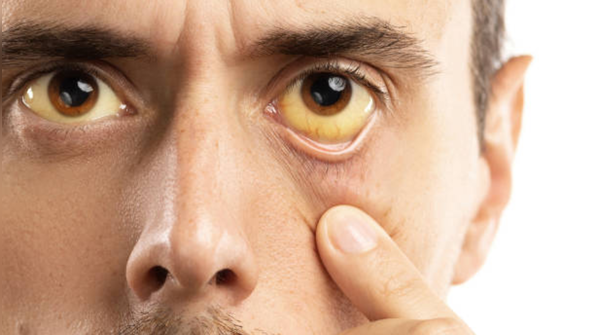
Yellowing of the skin and/or eyes (Jaundice)
Jaundice is often one of the last symptoms to appear, however, it may also be one of the first noticeable externally when a tumour occludes the bile duct. Symptoms can also be accompanied by dark urine or itching of the skin.Read also: Food that are not meant for our kidneys
When to seek medical attention
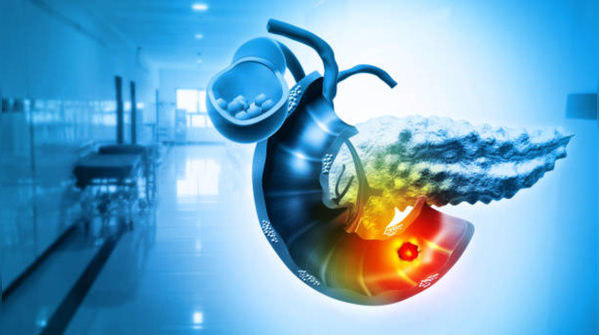
If you only have one of these symptoms, it doesn’t mean that you necessarily have cancer (although having multiple ongoing symptoms suggests otherwise), and if any of these symptoms are present, you should consult your doctor immediately. According to the World Health Organization, the earlier the diagnosis of cancer is made, the more successful the treatment can be in most cases.
The key to saving lives is listening to your body and responding early. If you have been experiencing abdominal discomfort, unexplained weight changes (rapid weight loss) new-onset diabetes or extreme fatigue, please see a medical professional immediately. To gain early diagnosis as well as the best chance for survival from cancer, you need to be aware of the risk factors.
Featured In Health

