
- News
- Health News
- No symptoms but real risk: How prediabetes and prehypertension progress silently, and what you can do today to prevent future health issues
No symptoms but real risk: How prediabetes and prehypertension progress silently, and what you can do today to prevent future health issues

When “almost” becomes a warning sign
Most people wait for illness to announce itself. A diagnosis, a symptom, a moment that feels undeniable. But the body rarely works that way. It whispers first.
Pre-disease states sit in that quiet space. Blood sugar is higher than normal, but not high enough to be called diabetes. Blood pressure creeps up, but still falls short of hypertension. Everything seems “almost fine,” and that is exactly why these conditions slip past attention.
The danger is not in how loud they are. It is in how easy they are to ignore.
What pre-disease states really mean
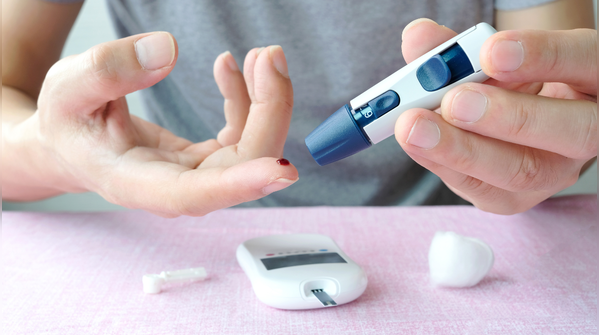
Pre-disease states like prediabetes and prehypertension are not harmless labels. They are early shifts in how the body regulates itself.
Dr Niraj Kumar, Senior Consultant – General Medicines, Shardacare-Healthcity, explains it simply, “Pre-disease states are warning signs. The body is telling us something is not right even if we do not feel sick yet.”
At this stage, the body is still compensating. The pancreas produces more insulin. Blood vessels tighten and relax to maintain pressure. On the outside, nothing feels wrong. On the inside, the system is under strain. This is not disease yet. But it is no longer normal.
Why you don’t feel anything
One question comes up often: if something is wrong, why does the body stay silent?
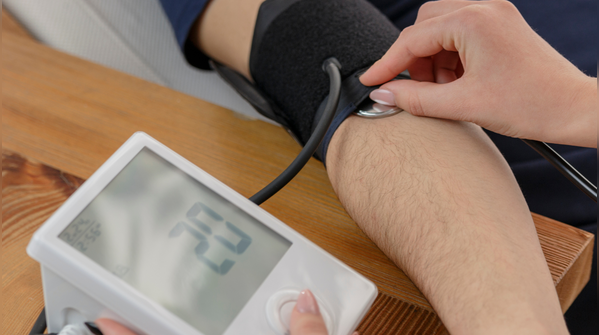
The answer lies in how gradual the change is. Blood sugar and pressure do not spike overnight. They rise slowly, often over years. The body adapts step by step, masking the problem.
Dr Kumar notes, “We might not even notice these states because they usually do not cause any symptoms that we can see or feel.”
This is why routine testing matters more than how a person feels. Feeling “fine” is not a reliable measure of health.
The slow slide: How it progresses
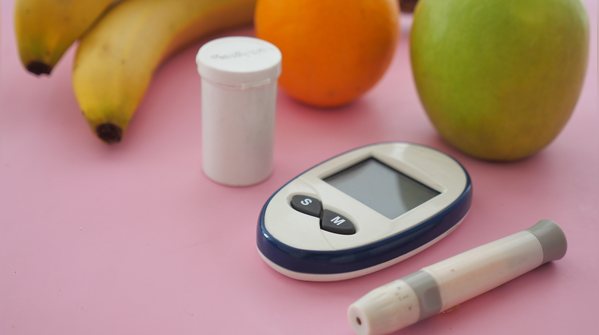
Pre-disease does not stay still. It moves, often in one direction. Small, everyday habits push it forward. Irregular meals. Processed foods. Long hours of sitting. Chronic stress. Poor sleep. None of these seem urgent on their own, but together they create a steady drift.
Dr Kumar explains, “If we ignore these signs, pre-disease states can turn into big problems like diabetes and high blood pressure.”
Over time, insulin resistance worsens. Blood vessels lose flexibility. What was once reversible starts becoming fixed. And often, the first real sign is a diagnosis.
What the data shows
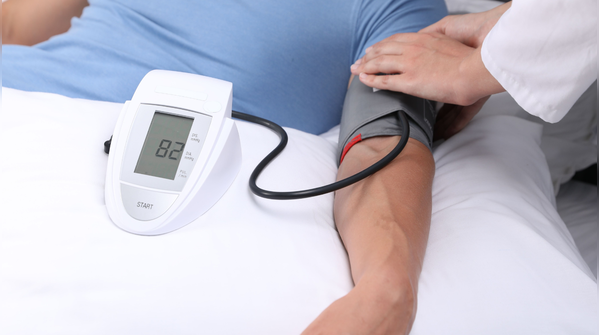
Large population studies have tracked this silent progression for years. The findings are consistent and concerning.
The Indian Council of Medical Research–INDIAB Study found that a significant portion of urban adults in India fall into prediabetic ranges, many without awareness.
The Centers for Disease Control and Prevention (CDC) reports that more than 1 in 3 adults with prediabetes are unaware of their condition.
These are not rare conditions. They are widespread, and often undetected.
The turning point: When it becomes disease
There is no dramatic moment when pre-disease becomes disease. The transition is quiet. A few more points added to fasting glucose. A few more mmHg in blood pressure readings. That is all it takes.
But internally, the shift is significant. Damage begins to accumulate. Blood vessels stiffen. Organs start to feel the pressure. This is where many people feel regret. Not because they ignored a symptom, but because there were none to begin with.
Reversal is possible, but time matters
The most hopeful part of this story is also the most urgent one. Pre-disease states can be reversed.
Dr Kumar highlights this clearly, “The good thing is that pre-disease states can be fixed if we catch them early.”
Simple changes carry real weight here:
Consistent meal timing stabilises blood sugar
Daily movement improves insulin sensitivity
Quality sleep regulates hormones
Stress management reduces hidden spikes in pressure
These are not extreme interventions. But they require consistency, not urgency. The earlier the shift, the easier the reversal.
The habit of checking before it hurts
Health check-ups often feel unnecessary when everything seems fine. But that is exactly when they matter most. A fasting blood sugar test. A blood pressure reading. A lipid profile. These are small steps that reveal big patterns. There is a quiet discipline in checking before something goes wrong. It is not fear-driven. It is awareness-driven.
In the case of pre-disease, that ounce is often just a routine test and a few honest lifestyle changes.
Listening to the signals
The body does not always shout. Sometimes it signals through numbers, not feelings. Pre-disease states are not something to panic about. But they are not something to dismiss either. They sit in a space where action is still simple, and outcomes are still flexible. Ignoring them is easy. Acting on them is wiser.
Medical experts consulted
This article includes expert inputs shared with TOI Health by:
Dr Niraj Kumar, Senior Consultant – General Medicines, Shardacare-Healthcity.
Inputs were used to explain how early-stage conditions like prediabetes and prehypertension develop silently over time, and why timely screening and medical guidance are essential to prevent progression into full-blown disease.
Featured In Health

