
- News
- Health News
- High BP symptoms: Early warning signs of hypertension that often show up at home first in your daily activities
High BP symptoms: Early warning signs of hypertension that often show up at home first in your daily activities
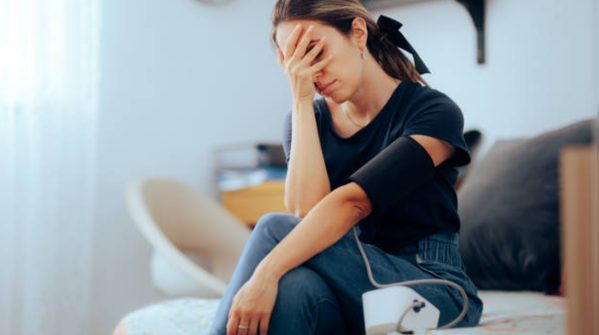
You can have high blood pressure for years and feel completely fine
That's the problem. Most people don't know they have it. They're just living their lives, working, eating, dealing with stress, completely unaware that their heart is working too hard and their blood vessels are getting damaged. Then one day something happens—a stroke, a heart attack—and they find out the hard way.
High blood pressure affects roughly 1.28 billion people worldwide, according to the World Health Organization. That's about one in five adults globally. And the numbers are getting worse, not better. The prevalence has increased significantly since the 1990s, especially in low and middle-income countries where the burden is rising faster than anywhere else. High blood pressure is now the leading modifiable risk factor for cardiovascular disease, responsible for about 10 million deaths every year. It accounts for roughly 7% of the global disease burden.
The awareness problem
Here's where it gets frustrating. Only about 42% of adults with hypertension even know they have it. That means tens of millions of people are walking around with a serious health condition and they have absolutely no idea.
Gestational Diabetes may end after pregnancy, but its hidden impact on thyroid health could last for years
The reason awareness is such a big deal with hypertension is that it's completely preventable and treatable. Unlike some diseases where you get diagnosed and your options are limited, high blood pressure responds to intervention. Medication can lower it. Exercise lowers it. Reducing salt intake lowers it. Weight loss lowers it. These things actually work.
But none of that happens if you don't know you have the problem. And most people don't. They go to work, they come home, they sleep, they repeat. Their blood pressure stays elevated. Their cardiovascular risk keeps climbing. And they're completely oblivious.
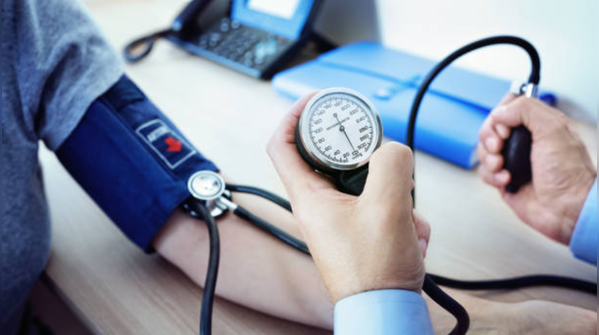
"High BP is a silent condition"
"Hypertension also known as high blood pressure is a silent condition in that it develops over many years without any obvious signs or symptoms. Many people think if they have high blood pressure, they will also feel sick from having that condition however, the first warning signs can often be very subtle and therefore easy to miss. By paying attention to small changes that occur at home, individuals may be able to detect signs of high blood pressure before more serious issues arise," Dr. P Ashok Kumar, Senior Consultant - Interventional Cardiology, Advanced Heart Failure, Heart Transplant, MCS & Pulmonary Hypertension, KIMS Hospitals (Krishna Institute of Medical Sciences), Mahadevapura, Bengaluru told TOI Health. The Bengaluru based doctor has shared subtle symptoms of hypertension that show in daily activities.
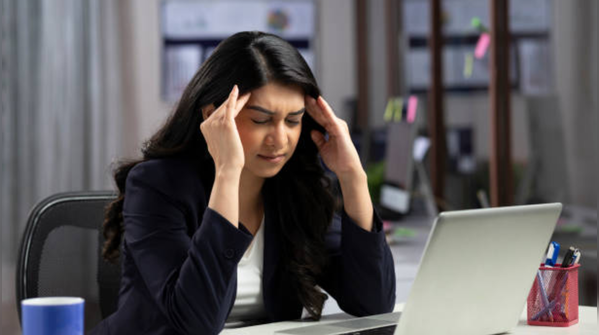
Headache
A very early sign that many people experience is headache, particularly in the morning. Occasional headaches can be normal, but if you wake up with a heavy or thumping headache on the back of your head repetitively, your blood pressure could be high and headaches could be a result of your blood pressure increasing. Generally speaking, headaches tend to get better as the day goes on, so it’s easy to assume this is due to stresses of daily life and/or lack of sleep.

Unusual tiredness
Another sign that could occur at home is unnatural tiredness. High blood pressure causes your heart to work harder to push blood through your body, so it’s common for individuals with high blood pressure to feel tired all the time, even with adequate sleep. If common activities suddenly become more difficult than they use to, check your blood pressure.
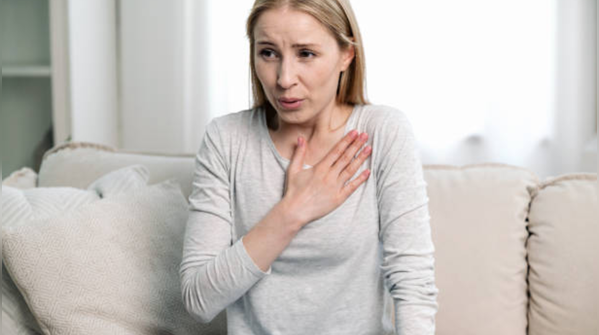
Breathlessness
Breathlessness especially during normal daily activities can be another indicator of difficulty. If you find you’re often out of breath when doing things like climbing stairs, walking short distances, or doing housework, this might indicate that there is difficulty happening within your body affecting your heart and/or blood vessels.
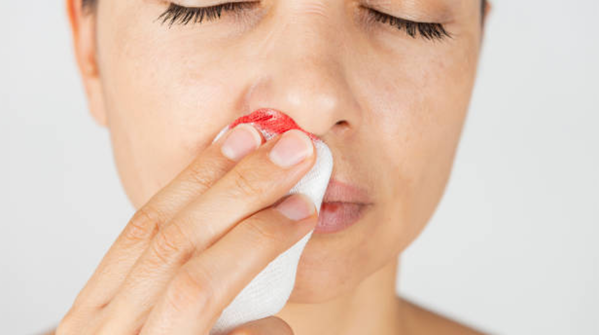
Nosebleeds
People can experience frequent nosebleeds without any obvious cause for them. Some may get them from dry air or from allergies, but if you’re getting them frequently you should not just dismiss them especially if they’re typically occurring with other symptoms.
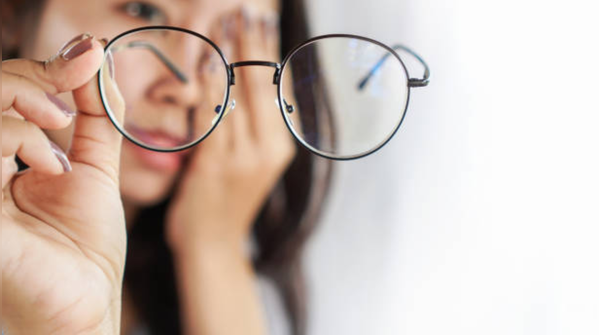
Blurry vision
Things like blurred vision and headaches can be signs of early issues. When blood pressure is high the blood vessels in your eyes can get affected resulting in visual disturbances that last for a short period of time and/or make it difficult for you to focus, or pressure around your eyes.
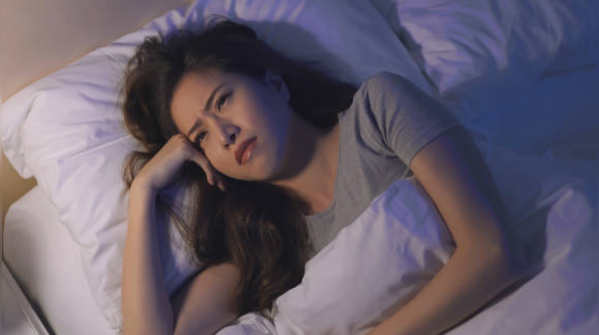
Poor sleep
Many people will report having an irregular sleeping pattern. Inability to sleep well, waking up a lot during the night and/or snoring might be a signal to you that there is possibly an issue with your blood pressure. Other conditions (such as sleep apnea) are often associated with hypertension and can worsen the effects over time.
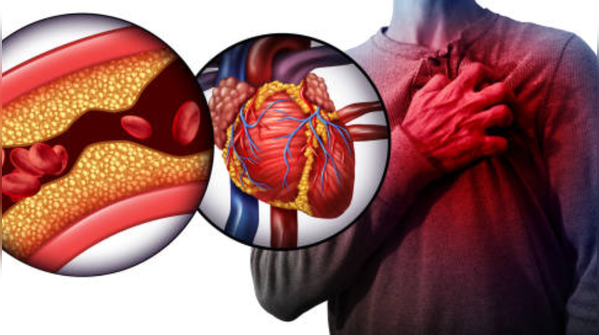
Chest pain or discomfort
Experiencing some degree of chest pain or discomfort or tightness can be another early warning sign. While they may not always be severe, any pain in the chest that occurs on multiple occasions should be taken seriously and assessed by your doctor.

Anger issues
Chronic stress and anger can create or create problems with hypertension. Emotionally, you can see changes in your body before you notice physical changes due to the stress on your body.
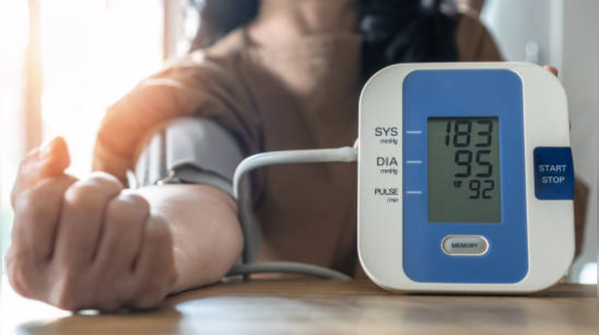
What to do?
One way to diagnose hypertension is to take your blood pressure regularly at home with a reliable home blood pressure monitor. Finding out you are hypertensive early on in the course of being hypertensive gives you an opportunity to change your life styles (e.g., reducing salt intake, exercising often, managing stress, and sleeping better).
Recognizing the above symptoms early enough and acting on them in time may prevent you from having major complications (e.g., heart disease, stroke, and kidney complications). Paying attention to what you body is telling you at home may be the first step in protecting your long-term health.
Featured In Health

