
- News
- Health News
- Fatty liver is rising fast in India, but most people ignore these silent warning signs until it’s serious
Fatty liver is rising fast in India, but most people ignore these silent warning signs until it’s serious

Fatty liver is rising fast, here’s what most people miss
For years, liver disease was commonly linked with alcohol. Today, doctors are seeing a very different pattern. Increasingly, people who rarely drink, or do not drink at all, are being diagnosed with fatty liver disease.
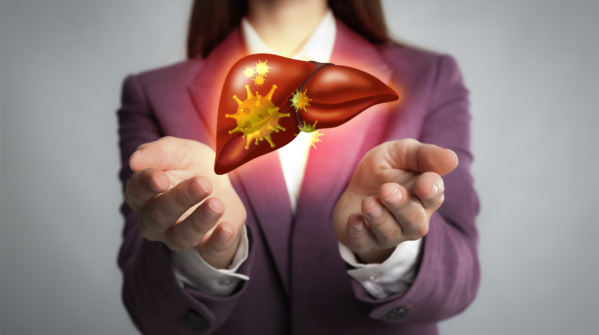
The condition, now medically known as Metabolic Dysfunction-Associated Steatotic Liver Disease (MASLD), develops when excess fat builds up inside the liver. What makes it dangerous is how quietly it progresses. Many people continue with everyday life believing they are simply “tired” or “slightly unhealthy,” while the liver slowly moves toward inflammation, scarring, and in severe cases, liver failure.
According to the Indian Council of Medical Research (ICMR), India is witnessing a rapid increase in obesity, diabetes, and metabolic disorders, all of which are strongly linked to fatty liver disease.
Dr Pankaj Puri, Director, Gastroenterology and Hepatology, Fortis Escorts, Okhla, New Delhi, explains, “Fatty Liver, also known as Metabolic dysfunction associated steatotic liver disease, is slowly becoming the most common cause of liver cirrhosis worldwide. India is no exception. With rising incidence of diabetes, obesity & sedentary lifestyle we are seeing an epidemic of cases which range from asymptomatic disease to liver failure.”
That word, asymptomatic, is what worries doctors the most.
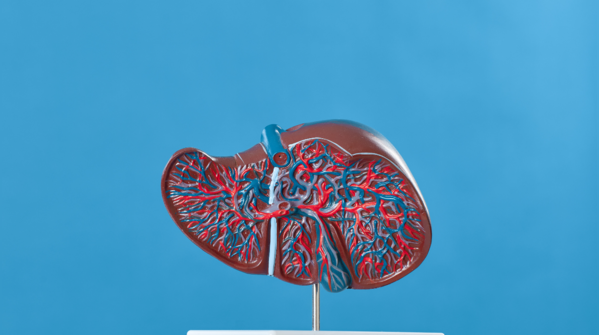
The biggest problem: Most people do not feel sick early on
Fatty liver rarely announces itself loudly in the beginning. There is usually no dramatic pain, fever, or visible illness. Instead, the signs are subtle and easy to dismiss.
People may notice constant tiredness, heaviness after meals, bloating, poor stamina, or unexplained weight gain around the abdomen. Many blame work stress, ageing, lack of sleep, or “busy schedules.” The liver, meanwhile, continues storing fat silently.
By the time symptoms become severe, the disease may already have progressed.
Dr Puri says, “Failure signs include generalised lethary, jaundice, fluid in the abdomen, swelling of feet, blood in vomiting & comatose state.”
This late discovery is one reason fatty liver cases are becoming more difficult to treat. Many patients only learn about the condition during a routine blood test or health check-up done for diabetes or cholesterol.
Various studies have repeatedly highlighted the growing burden of non-communicable diseases in India, especially those linked with poor metabolic health and sedentary lifestyles.
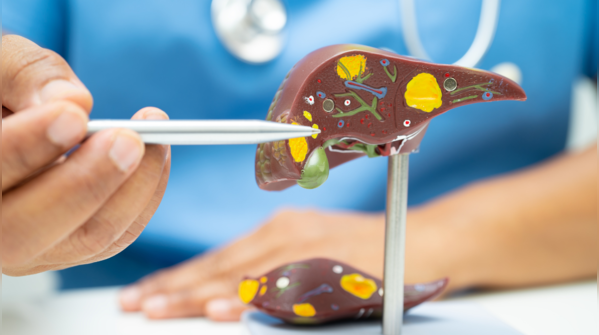
Why fatty liver is rising so rapidly in India
Doctors say the rise is not happening because of one single habit. It is the result of how modern lifestyles have changed over the last decade.
Meals are becoming more processed. Physical activity is falling. Sleep cycles are disturbed. Long sitting hours have become normal. Even children and young adults are spending more time indoors and on screens.
Dr Puri notes, “Majority of cases are linked to poor dietary choices & sedentary lifestyle. Genetic predisposition can also contribute to early disease presentation.”
One major issue experts point out is that many people still judge health only by body weight. But fatty liver can also affect individuals who do not appear visibly overweight. A person may have normal-looking weight but poor metabolic health internally.
Ultra-processed snacks, sugary drinks, packaged foods, and late-night eating patterns are adding pressure on the liver every day. The body may tolerate these habits for years, but eventually the damage begins to show.
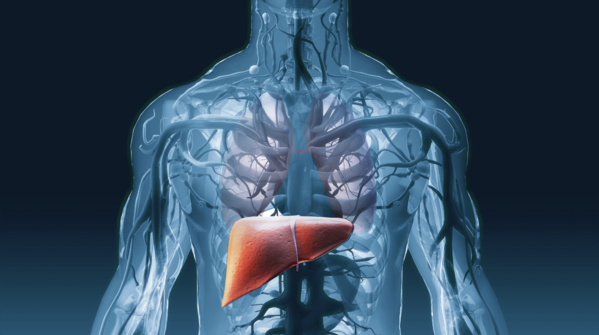
What most people miss before diagnosis
One of the most overlooked truths about fatty liver is that many patients wait for pain before taking action. But the liver is remarkably silent. It continues functioning even under stress, which creates a false sense of safety.
Another problem is that people often focus only on liver function blood tests. While these tests are useful, they do not always tell the full story.
Dr Puri explains, “Common investigations include blood tests which include liver function tests, thyroid function tests, lipid profile. Importantly fibroscan can help diagnose the level of fibrosis in the liver.”
Fibroscan is increasingly being recommended because it helps doctors assess liver stiffness and scarring without invasive procedures.
What many miss is that fatty liver is not just a liver issue. It is closely tied to diabetes, heart disease, insulin resistance, high cholesterol, sleep problems, and obesity. In many cases, the liver becomes the first visible sign that the body’s metabolic system is under strain.
This is why specialists now encourage earlier screening, especially for people with belly fat, diabetes, PCOS, high triglycerides, or family history of metabolic disorders.
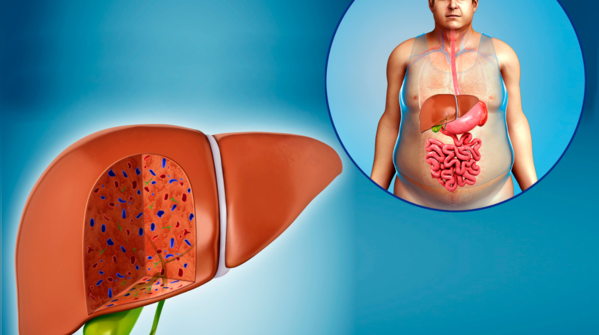
The good news: Early changes can still reverse damage
The liver has one remarkable quality, it can recover if damage is caught early.
Doctors say many early-stage fatty liver cases improve significantly through sustained lifestyle changes. But quick-fix detox drinks or crash diets are not the answer.
Dr Puri says, “Early diagnosis and intervention is key to managing the disease. Core of treatment includes fat loss, improving the metabolic profile, targeting better sugar control & dietary changes.”
He further adds, “Avoiding excess sugars, trans fats, ultra processed foods can make a major difference. Regular exercise which includes resistance training & aerobic exercises is must.”
Health experts now emphasise consistency over intensity. Walking daily, strength training twice or thrice a week, eating fibre-rich meals, sleeping on time, and reducing sugary foods can collectively reduce liver fat over time.
Even small changes matter when done regularly.
A 20-minute walk after meals, fewer packaged snacks, and better sleep may sound ordinary, but doctors say these are often the habits that protect the liver quietly in the long run.
Why this conversation matters now
Fatty liver disease is no longer a rare hospital diagnosis. It is slowly becoming part of everyday Indian life, affecting office workers, teenagers, homemakers, and even young adults in their twenties and thirties.
The concern is not just the number of cases. It is the silence around them.
Many people still believe liver disease only affects heavy drinkers. Many wait for visible illness before seeking help. Many ignore fatigue because modern life has normalised exhaustion.
But the liver keeps score quietly.
And by the time symptoms become impossible to ignore, the damage may already be advanced.
That is why doctors are urging people to stop treating fatigue, poor diet, inactivity, and rising waistlines as “normal lifestyle problems.” Sometimes, they are early warning signs from the body itself.
Medical experts consulted
This article includes expert inputs shared with TOI Health by:
Dr Pankaj Puri, Director, Gastroenterology and Hepatology, Fortis Escorts, Okhla, New Delhi.
Inputs were used to explain why fatty liver disease is rising rapidly, the warning signs people often ignore, and why early diagnosis and lifestyle changes are critical to prevent serious liver damage.
Featured In Health

