
- News
- Health News
- Early cancer symptoms that often feel harmless: Warning signs people ignore and when to see a doctor
Early cancer symptoms that often feel harmless: Warning signs people ignore and when to see a doctor
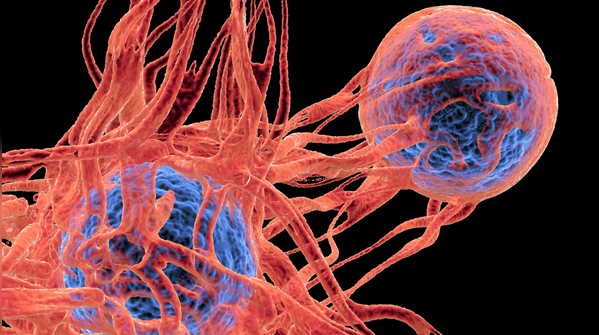
Cancer symptoms that are missed and how early screening helps
“It didn’t feel like cancer.” That is how many stories begin, and often, how they are remembered.
There is a danger in symptoms that don’t alarm. A little fatigue, a mild cough, a change that seems explainable. Life moves on, and so do these signs, blending into routines so seamlessly that they rarely raise suspicion.
But what if these small changes are not random? What if they are the earliest signals of something far more serious?
As the data shows, cancer rarely begins with dramatic warning signs. It starts subtly, and that subtlety is exactly what makes it dangerous.

When “normal” isn’t normal anymore
Everyday discomfort has become part of modern life. Long work hours, irregular meals, poor sleep, these make it easy to dismiss changes in the body.
“Most patients don’t ignore cancer,” says Dr Amish Vora, a medical oncologist at HOPE Oncology Clinic, New Delhi. “They ignore symptoms because those symptoms don’t look dangerous.”
World Parkinson's Day: Not just tremors, doctor reveals the non-motor symptoms nobody talks about
Hidden sodium in everyday foods: How excess salt raises blood pressure and simple ways to reduce intake
That distinction matters.
A person may feel tired for weeks and blame it on stress. Another may notice a shift in appetite and assume it’s just lifestyle. In most cases, they are right. But when symptoms persist without a clear cause, they deserve attention.
According to a study published in South Asian Journal of Cancer, delayed recognition of early symptoms is one of the key reasons many cancers are diagnosed at advanced stages.

Fatigue that rest cannot fix
Tiredness is one of the most ignored symptoms. It feels harmless, even expected. But not all fatigue behaves the same way.
There is a difference between being tired after a long day and waking up exhausted despite adequate rest. Cancer-related fatigue often lingers. It does not improve with sleep, and it slowly begins to affect daily functioning.
This kind of fatigue is often linked to blood cancers or colon cancer in early stages. Yet, it is rarely taken seriously until other symptoms appear.

Weight loss that feels like a win
Unintentional weight loss can feel like a reward. Clothes fit better, and the body feels lighter. It rarely raises concern. But when weight drops without any effort, no diet, no exercise,it can signal an underlying issue.
Clinically, unexplained weight loss is one of the earliest indicators of cancers such as pancreatic, stomach, or lung cancer. The body is not shedding weight by choice; it is reacting to disease.
A study from the NIH notes that sudden, unintentional weight loss should always be evaluated when it exceeds 5-10% of body weight over a few months.

Pain that doesn’t demand attention
Pain is often associated with severity. If it hurts badly, it must be serious. If it doesn’t, it can wait. But early cancer pain rarely behaves this way.
“It’s not the intensity of the pain but its persistence that matters,” notes Dr Amish Vora.
A dull ache, a mild discomfort, or a recurring sensation that never fully disappears, these are easy to ignore. People adjust to them, delay check-ups, and continue their routines. Yet persistence is the body’s way of insisting that something is not right.

Small changes that speak volumes
Some symptoms appear so common that they are almost invisible. A lingering cough in polluted cities. A hoarse voice after a long day. A shift in bowel habits after eating outside. These feel ordinary. But when these changes last for weeks, they may point to deeper issues.
The rule is simple: duration matters more than discomfort.

The myth of “no pain, no problem”
One of the most dangerous assumptions is that pain equals danger, and its absence means safety. This is not always true.
A painless lump, for instance, often creates reassurance. Many early-stage cancers, especially breast and lymph node cancers, present as painless swellings.
Similarly, unusual bleeding is often dismissed as minor issues like piles or hormonal changes. But unexplained bleeding, whether in stool or urine, should always be investigated. The body does not always use pain to signal risk. Sometimes, it uses silence.
Patterns we fail to notice
Individually, these symptoms seem harmless. Together, they form a pattern. A person may experience fatigue, slight weight loss, and a persistent cough, but never connect them. Each symptom gets its own explanation, and the bigger picture is missed.
“When your body repeats a signal, it’s not a coincidence, it’s a warning.”
This is where awareness becomes critical. Not every symptom means cancer. But ignoring a consistent pattern can delay diagnosis, and that delay can change outcomes.
Why early attention changes everything
Cancer does not become life-threatening overnight. It becomes dangerous when it goes unnoticed. In India, a significant number of cancer cases are still detected at later stages. This is not just due to access to care, but also because early signs are misunderstood or overlooked.
The most important takeaway remains clear: any unexplained symptom that lasts more than two to three weeks should be checked.
As Dr Amish Vora aptly states, “Cancer is not always aggressive in the beginning, but our ignorance towards it can be.”
Medical experts consulted
This article includes expert inputs shared with TOI Health by:
Dr Amish Vora, MBBS MD DNB DM- AIIMS Delhi, Medical Oncologist, Director- H.O.P.E. Oncology,New Delhi.
Inputs were used to highlight how certain early symptoms of cancer are often mistaken for harmless or non-cancerous conditions, and why timely medical consultation is important for accurate diagnosis.
Featured In Health

