
- News
- Health News
- Behind every strong Indian mom may be a silent deficiency: Why iron, vitamin D and B12 levels remain low during pregnancy
Behind every strong Indian mom may be a silent deficiency: Why iron, vitamin D and B12 levels remain low during pregnancy
Hidden nutrient gaps in moms
Pregnancy is a beautiful journey. But behind the glowing skin, family celebrations, and baby shopping lists, many women struggle with something far less visible: nutritional deficiencies that go unnoticed for months.
In India, iron, vitamin D, and vitamin B12 deficiencies continue to affect a large number of pregnant women, even in cities where healthcare awareness has improved. What makes these deficiencies dangerous is not just their impact, but how silently they develop. Fatigue, dizziness, body aches, mood changes, weakness, or poor sleep are often dismissed as “normal pregnancy symptoms,” when in reality, the body may already be running low on nutrients essential for both mother and baby.
A report by the Ministry of Health and Family Welfare found that anaemia remains alarmingly common among Indian women in the reproductive age group. The concern becomes even more serious during pregnancy because the nutritional demands rise rapidly as the baby grows.
Why so many Indian women enter pregnancy already deficient
One of the biggest reasons these deficiencies persist is that many women begin pregnancy with depleted nutrient stores. The body is already trying to cope with years of missed meals, restrictive diets, stress, long work hours, menstrual blood loss, and poor eating habits before pregnancy even begins.
Ebola outbreak puts deadly virus back in spotlight: Early symptoms everyone should know
Dr Shweta Mendiratta explains, “Pregnancy is one of the most critical phases in a woman’s life, when her body undergoes profound physical and metabolic changes to support the growth and development of a baby. During this time, nutritional requirements increase significantly.”
In many Indian households, women still tend to eat last and compromise most on their own nutrition. Some avoid certain foods due to cultural beliefs around pregnancy. Others experience severe nausea and food aversions during the first trimester, which further reduces nutrient intake.
Then there is the issue of “full stomach but poor nutrition.” A meal may provide enough calories, but still lack iron, protein, B12, or vitamin D. Packaged snacks, refined carbohydrates, sugary tea, and low-protein diets can leave the body undernourished despite regular eating.

Iron deficiency: The most common yet most ignored problem
Iron deficiency remains the most widespread nutritional issue among pregnant women in India. During pregnancy, the body produces more blood to support the baby, which naturally increases iron demand.
“Iron deficiency is the most widespread nutritional problem among pregnant women in India,” says Dr Mendiratta. “Many Indian women enter pregnancy with already low iron stores due to poor dietary intake, frequent pregnancies, or menstrual blood loss.”
The problem is not only about low iron intake. Sometimes the body cannot absorb iron properly because of eating habits. Drinking tea or coffee immediately after meals, for example, reduces iron absorption significantly. Many women are unaware of this.
Iron deficiency anaemia can lead to extreme tiredness, breathlessness, dizziness, headaches, poor concentration, and weakness. In severe cases, it may increase the risk of premature birth and low birth weight.
Doctors say one simple but often overlooked habit can help: pairing iron-rich foods with vitamin C. Squeezing lemon over spinach, eating guava after meals, or combining lentils with tomatoes can improve iron absorption naturally.
The vitamin D paradox: So much sunlight, yet so little vitamin D
India receives abundant sunlight throughout the year, yet vitamin D deficiency remains surprisingly common. This contradiction has puzzled doctors for years.
“Despite India being a tropical country with abundant sunlight, vitamin D deficiency is extremely common among pregnant women,” says Dr Mendiratta.
The modern lifestyle is partly responsible. Many people spend most of their day indoors, whether at offices, homes, or commuting through polluted urban environments. Even when outside, sunscreen, covered clothing, and limited direct exposure reduce vitamin D synthesis.
Vitamin D plays a major role in calcium absorption, immunity, and fetal bone development. Low levels during pregnancy have also been linked to gestational diabetes, preeclampsia, and low birth weight.
Research published by the NIH and several Indian medical institutions has repeatedly shown high vitamin D deficiency rates among pregnant women across both urban and rural populations.
What makes this deficiency difficult to identify is that symptoms are often vague. Persistent body pain, muscle weakness, low mood, poor sleep, or constant fatigue may not immediately point toward vitamin D deficiency.
Doctors recommend sensible sun exposure, especially during early morning hours, along with fortified foods and supplements where necessary.
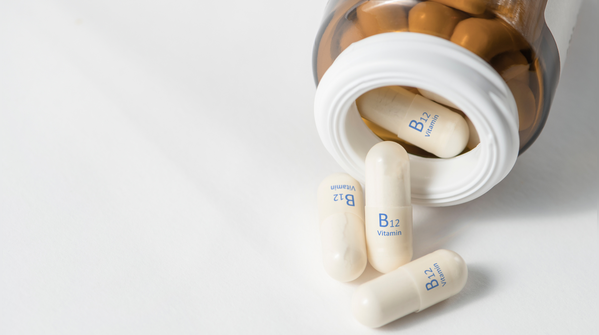
Why vitamin B12 deficiency is quietly rising
Vitamin B12 deficiency is becoming another hidden concern, particularly among vegetarian populations in India.
“Vitamin B12 is essential for red blood cell production, nervous system function, and fetal brain development,” Dr Mendiratta explains. “Since vitamin B12 is mainly found in animal-based foods such as meat, fish, eggs, and dairy products, women who consume limited or no animal products may be at higher risk of deficiency.”
Low B12 levels can cause weakness, tingling sensations, numbness, poor memory, mood changes, and anaemia. During pregnancy, severe deficiency may affect the baby’s neurological development.
The challenge is that many women do not get tested for B12 unless symptoms become severe. Routine antenatal blood work often focuses more on haemoglobin and sugar levels, while micronutrient deficiencies may remain undetected.
Experts say the solution is not about promoting complicated diets or expensive supplements alone. It is about building consistent eating habits that include protein, dairy, nuts, lentils, leafy vegetables, eggs where acceptable, and fortified foods.
What needs to change before the next generation pays the price
The conversation around pregnancy nutrition in India often starts too late. Many women seek nutritional help only after complications appear or blood reports worsen.
“One of the biggest challenges with these micronutrient deficiencies is that they often go undiagnosed until symptoms become more pronounced,” says Dr Mendiratta. “Many women may attribute fatigue or weakness to the normal course of pregnancy.”
This is where regular antenatal check-ups become critical. Early screening can identify deficiencies before they begin affecting maternal health or fetal growth.
But doctors say the responsibility cannot fall only on pregnant women. Families, workplaces, and healthcare systems also need to change how they view maternal nutrition. Pregnancy should not be treated as a period where women are simply told to “eat more.” The focus must shift toward eating better.

Simple changes can make a measurable difference:
Screening women before conception where possible
Improving nutrition education at the community level
Encouraging spacing between pregnancies
Including fortified foods in daily diets
Making supplements affordable and accessible
Teaching families about nutrient absorption and balanced meals
Healthy pregnancies are not built in the ninth month. They are built gradually, through years of nourishment, awareness, and timely healthcare.
And sometimes, the smallest nutrients leave the deepest impact.

Medical experts consulted
This article includes expert inputs shared with TOI Health by:
Dr Shweta Mendiratta, Director and Unit Head, Obstetrics and Gynaecology, Yatharth Hospital, Faridabad.
Inputs were used to explain why iron, vitamin D, and vitamin B12 deficiencies remain common among pregnant women in India, how these hidden nutritional gaps affect both mother and baby, and why regular medical guidance and timely screening are essential during pregnancy.
Featured In Health

