
- News
- City News
- navi mumbai News
- Navi Mumbai airport goes 24/7: Inside the quiet shift to round-the-clock ops
Navi Mumbai airport goes 24/7: Inside the quiet shift to round-the-clock ops
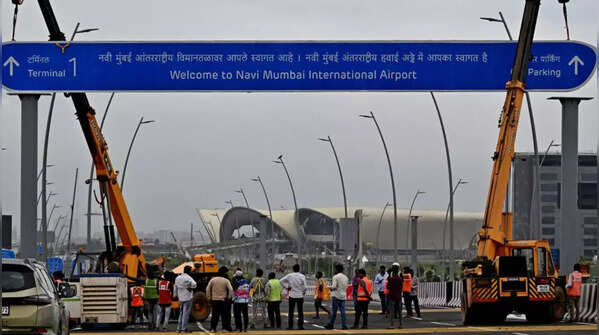
Quiet shift to round-the-clock ops
More than a month after beginning flight operations, Navi Mumbai airport quietly transitioned from 12-hour operations to functioning round the clock on Saturday, marking a key step in its phased expansion, an aviation source said.
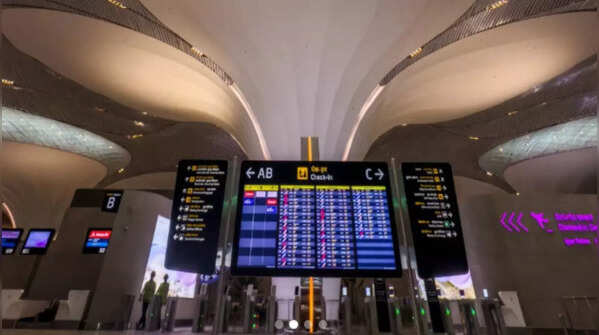
From limited hours to 24/7
When flights first began on December 25, the airport operated only between 8 am and 8 pm. The move to 24-hour operations signals growing readiness to handle higher traffic volumes in the coming months.

Extended operating window
With the shift to round-the-clock operations, Navi Mumbai airport now offers a wider operating window for airlines. Officials say the move gives carriers greater flexibility to plan arrivals and departures as flight schedules gradually expand.

Two flights added, more expected
Only two additional flights have been added following the operational expansion. Aviation officials expect airlines to gradually extend their schedules at Navi Mumbai airport over the coming days and weeks.
Summer schedule to drive growth
A significant jump in flight volumes is expected after March, when the airline summer schedule begins. Industry sources say this phase will likely see more airlines and routes shifting operations to the new airport.
1 lakh passengers milestone
On January 12, Navi Mumbai airport crossed a major milestone by handling one lakh passengers within just 19 days of commencing flight operations, highlighting steady early adoption by airlines and travellers.

Movement cap still in place
Air traffic movements at the airport are currently capped at 10 landings or take-offs per hour. Officials said this limit is expected to double to 20 flights per hour from April.

Built for future demand
Officials say Navi Mumbai airport has been designed to handle higher passenger volumes and increased flight movements. With infrastructure and systems in place, the airport is expected to scale up operations smoothly as airline schedules expand.

India’s 24/7 airport advantage
Unlike many global counterparts, major Indian airports operate round the clock, allowing stranded passengers to remain inside terminals overnight in a safe and secure environment.

Gradual build-up at Navi Mumbai
Officials say Navi Mumbai airport’s expansion is being carried out in stages, with operating hours, flight slots and passenger volumes set to increase steadily as infrastructure and airline schedules ramp up.
Featured In City

