
- News
- City News
- mumbai News
- Exclusive photos that will shock you: Gas tanker crash chokes Pune–Mumbai expressway for 32 hours
Exclusive photos that will shock you: Gas tanker crash chokes Pune–Mumbai expressway for 32 hours
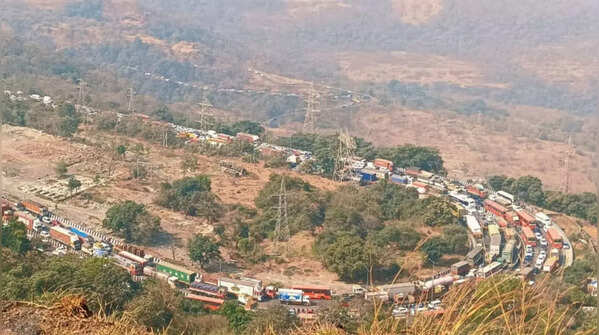
Propylene panic on the expressway
A tanker carrying highly flammable propylene overturned near Adoshi Tunnel on the Pune–Mumbai Expressway, triggering gas leakage and safety fears. Traffic on both sides was halted, turning the busy corridor into a danger zone for thousands of stranded commuters. (Picture credit: Bandu Yewale )
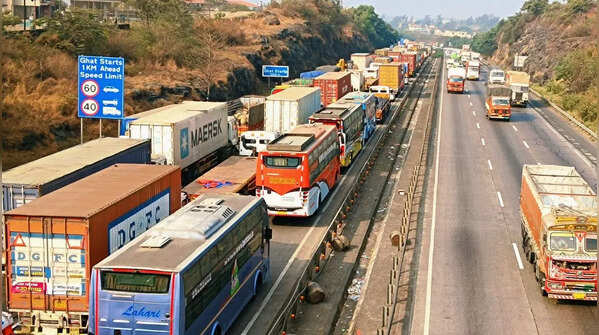
32 hours of gridlock and helpless travellers
The accident caused over 32 hours of disruption and nearly 50 km of congestion. Travellers were stuck overnight without food, fuel or updates, missing medical appointments, business meetings and family emergencies.
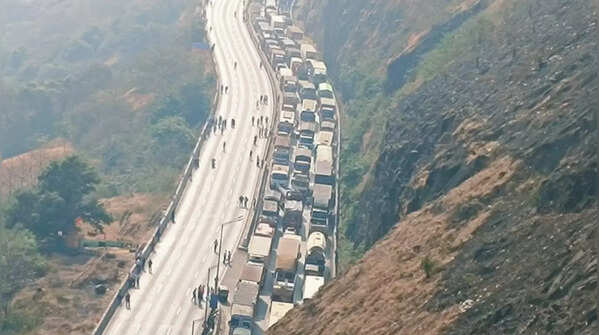
Public transport takes a hit
Over 139 MSRTC trips were cancelled and private buses stranded. Passengers shifted to trains, causing heavy crowding on Pune–Mumbai services and exposing how one highway failure hits the entire transport network.
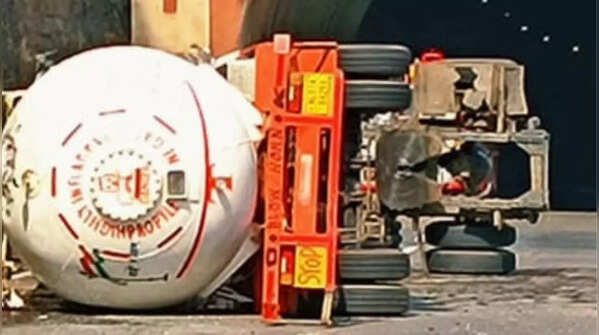
The invisible threat: Leaking Propylene gas
Leaking propylene posed a major explosion threat. Even engine heat could ignite it. Emergency teams failed to seal the valves quickly, forcing authorities to de-contain gas into another tanker before reopening the highway.
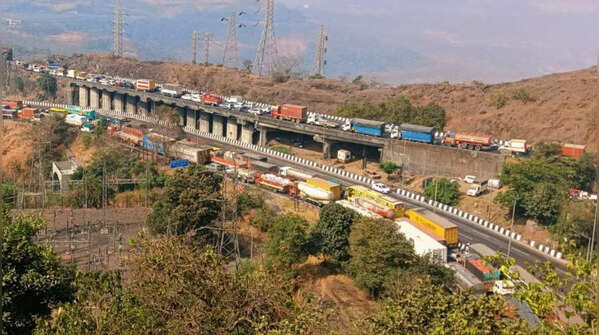
Diversions, detours and travel chaos
Authorities advised diversions via Tamhini and Malshej Ghats, but exits clogged quickly. Many commuters got trapped before alerts reached them, proving emergency traffic planning was reactive, not proactive.
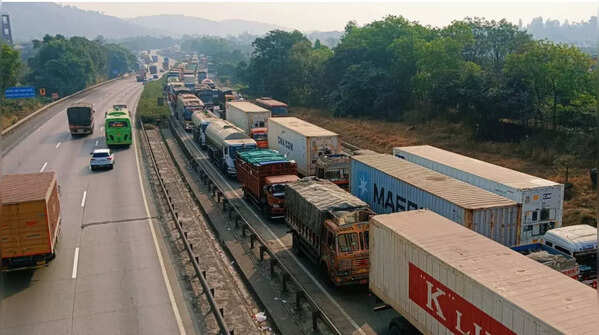
Speed on slopes
Police said the tanker driver lost control on the Borghat slope due to high speed. The crash damaged valves, caused leakage and led to an FIR for rash and negligent driving endangering public safety.
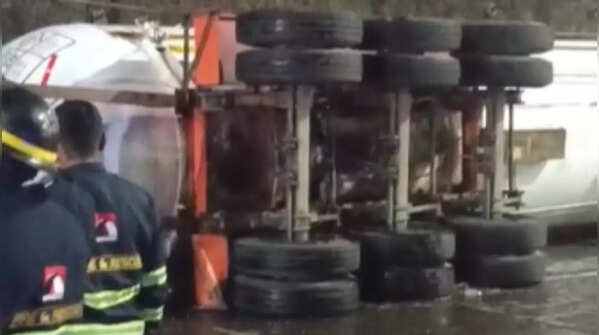
Disaster that almost happened
Officials said an explosion could have devastated a 2–3 km radius. Cooling operations and late containment prevented catastrophe, making the incident a serious near-miss for Maharashtra’s expressway safety.
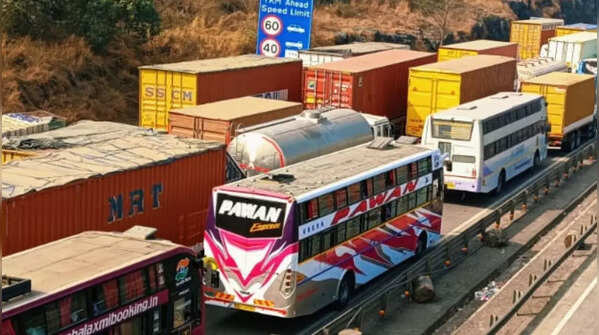
Fuel anxiety inside the jam
Many commuters found themselves running dangerously low on fuel while stuck overnight. With no access to pumps and engines idling for air-conditioning and ventilation, drivers had to ration power. Some switched off lights and engines in tunnels and ghats, raising safety concerns. Fuel stress added another layer of panic, especially for families and elderly travellers who feared being stranded mid-way once movement resumed.
Featured In City

