
- News
- City News
- indore News
- Bhojshala showdown: ASI flags temple remains, legal storm erupts in Madhya Pradesh
Bhojshala showdown: ASI flags temple remains, legal storm erupts in Madhya Pradesh
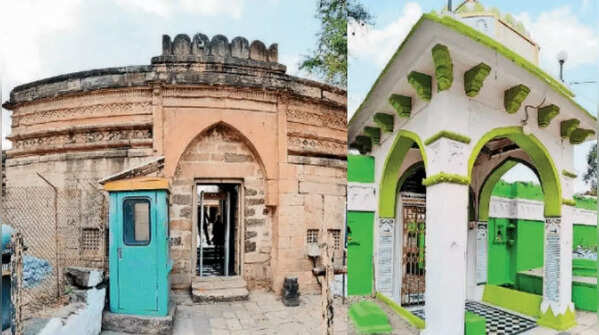
ASI report triggers legal storm
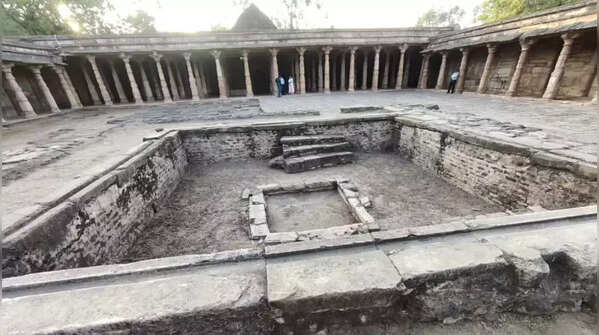
The 2,189-page survey by the Archaeological Survey of India has concluded that the Kamal Maula Mosque structure was built using remains of ancient temples. Placed before the Indore bench of the Madhya Pradesh high court, the report has pushed the decades-old dispute into a decisive legal phase.
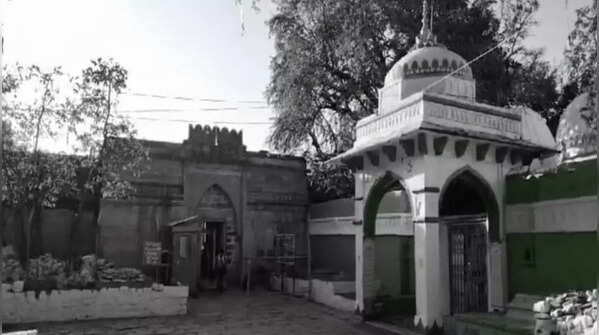
Science behind the claim
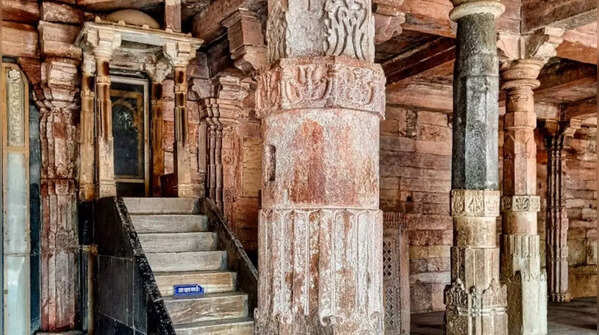
The ASI says its findings rely on 98 days of multidisciplinary work — excavation, structural analysis, inscriptions, sculptures and architectural symmetry studies — suggesting reuse of earlier temple remains in the present structure.
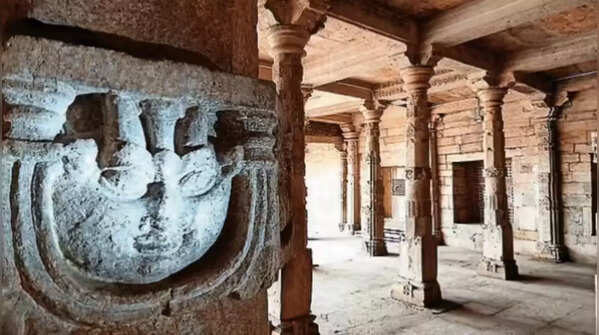
High court sets deadline
Justices Vijay Kumar Shukla and Alok Awasthi directed all parties to file objections within two weeks. The next crucial hearing is on March 16, putting the dispute firmly into a decisive legal phase.
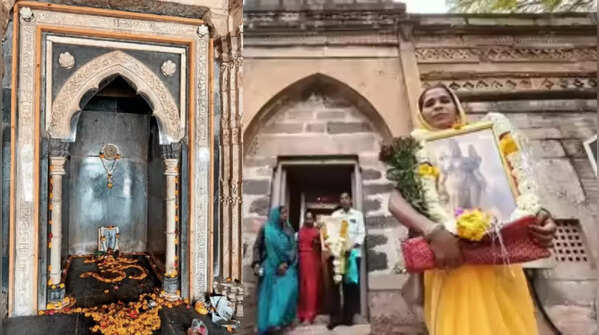
What Hindus believe
Hindus revere Bhojshala as the seat of Goddess Vagdevi (Saraswati), believed to have been established by Raja Bhoj in the 11th century. The ASI report has reignited calls for a full-fledged temple at the site.
Muslim petitioners push back
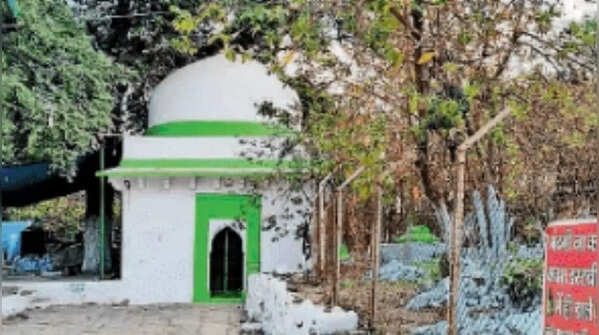
Muslim representatives reject the ASI findings, calling them “misdirection.” They cite historical ASI records listing the structure as a mosque and insist Friday namaz will continue, vowing to challenge the report in court.
A century-old flashpoint
Listed as a protected monument in the early 1900s, Bhojshala has seen repeated communal tensions, especially when Basant Panchami coincides with Friday namaz. Regulated worship was formalised through a 2003 arrangement.
Supreme court’s guardrails
While allowing the survey in April 2024, the Supreme Court directed that no excavation should alter the site’s character — ensuring the probe remained scientific without physically changing the monument.
Emotions run high in Dhar
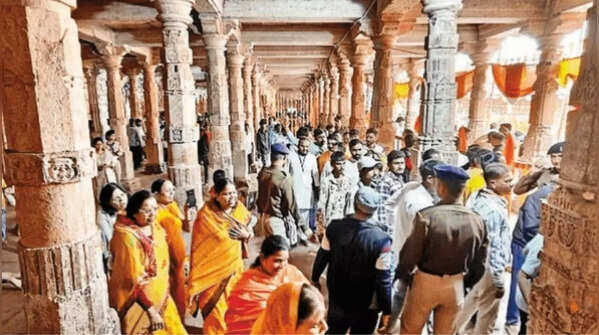
Following the report’s release, devotees gathered in large numbers on Tuesday prayers. Vagdevi Chalisa booklets were distributed, marigold-adorned niches prepared, and temple construction demands grew louder.
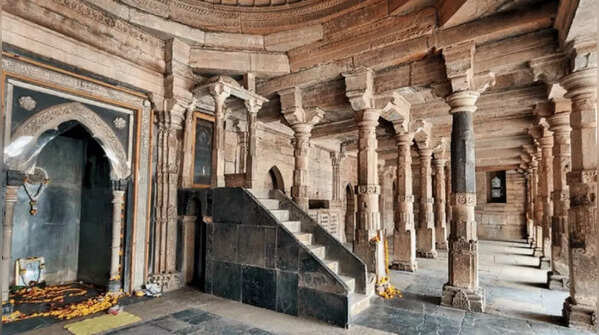
Vagdevi idol debate returns
The controversy has revived demands to bring back the Vagdevi idol, taken to London in the 19th century and displayed at the British Museum. Petitioners say legal clarity on title could strengthen repatriation efforts.
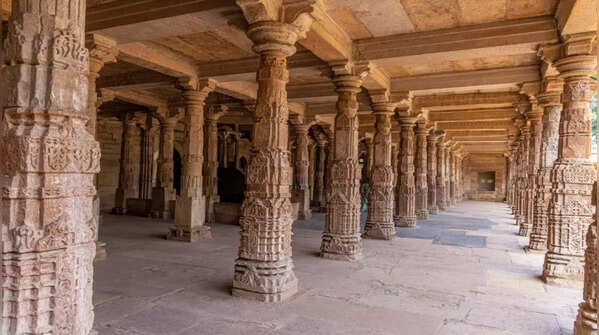
Verdict awaited, tensions intact
Despite the ASI findings, the dispute remains unresolved. The high court must now interpret the report and decide on title and rights. Until then, Bhojshala remains a protected monument at the crossroads of faith, law and history.
Featured In City

