
- News
- City News
- delhi News
- Mega infra milestone: Delhi’s 82-km Yamuna rapid rail corridor set for grand inauguration
Mega infra milestone: Delhi’s 82-km Yamuna rapid rail corridor set for grand inauguration
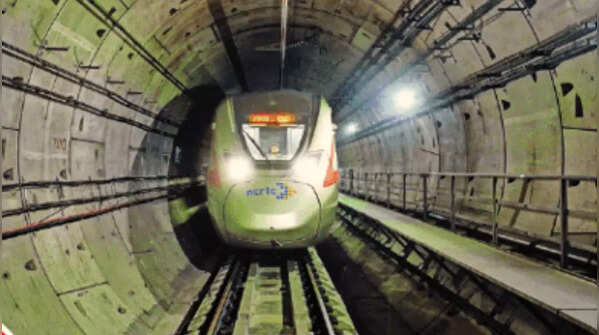
1.3-km Yamuna bridge with 32 pillars
The corridor features a 1.3-km-long bridge over the Yamuna, supported by 32 massive pillars engineered to withstand river flow and seismic forces. The structure stands as one of the most complex river crossings executed for a high-speed regional rail project in north India.
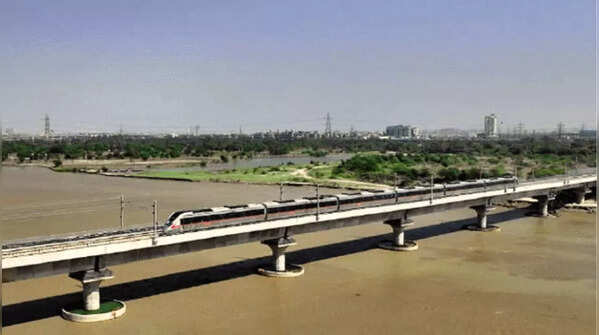
3,200-tonne steel span installed
A gigantic 3,200-tonne steel span was installed as part of the elevated section, showcasing advanced engineering and heavy-lift capabilities. The installation required meticulous planning and traffic management due to its scale and urban location.
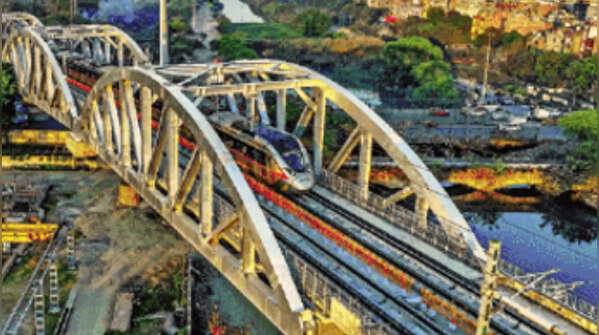
Advanced tunnelling near dense urban zones
Tunnelling near congested areas like Begumpul required advanced technology to minimise surface disruption. Engineers deployed specialised tunnel boring machines to ensure safety of nearby structures and smooth underground alignment.
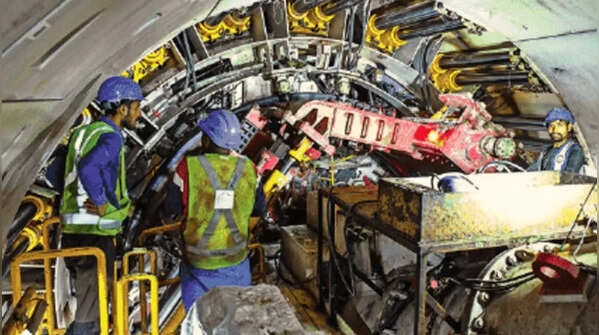
Designed for speed and sustainability
The corridor integrates energy-efficient systems, regenerative braking and modern train sets. Elevated viaducts and underground sections were carefully planned to balance speed, passenger comfort and environmental concerns.
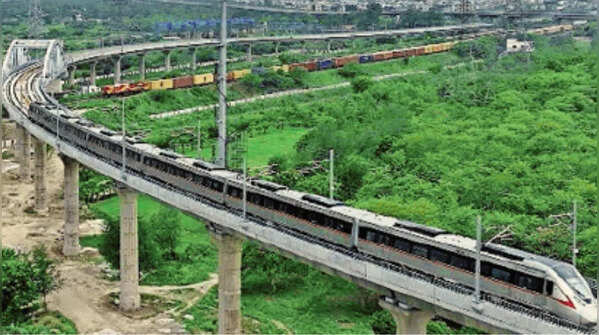
82-km high-speed rapid rail corridor
Stretching 82 km, the rapid rail corridor is designed to significantly cut travel time between key NCR cities. The system promises faster, safer and more efficient intercity commuting with modern signalling and dedicated tracks.
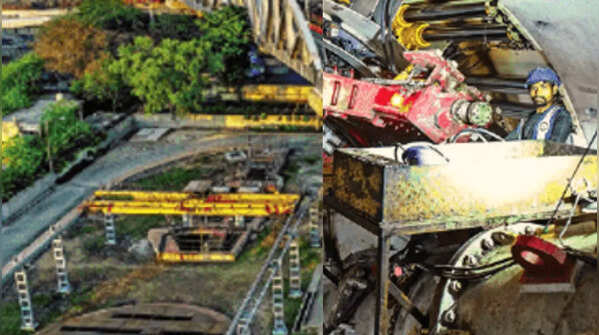
80,000+ Precast segments for tunnelling
More than 80,000 precast concrete segments were used to build underground tunnels, especially near Begumpul. These factory-made segments ensured precision, faster construction and enhanced structural strength for seamless high-speed operations.
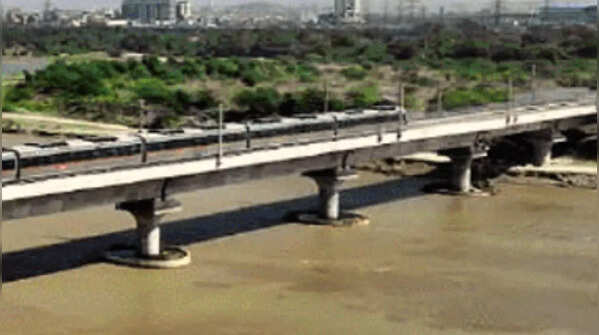
Set for grand inauguration
After years of phased construction and multiple engineering milestones, the full corridor is now ready for inauguration. Officials say the project marks a major leap in India’s regional connectivity and urban transport infrastructure.
Featured In City

