
- News
- World News
- US News
- USCIS memo requiring consular processing for green cards is heading for litigation: adjustment of status for H-1Bs is also disrupted
Trending
USCIS memo requiring consular processing for green cards is heading for litigation: adjustment of status for H-1Bs is also disrupted

.
Litigation may be around the corner
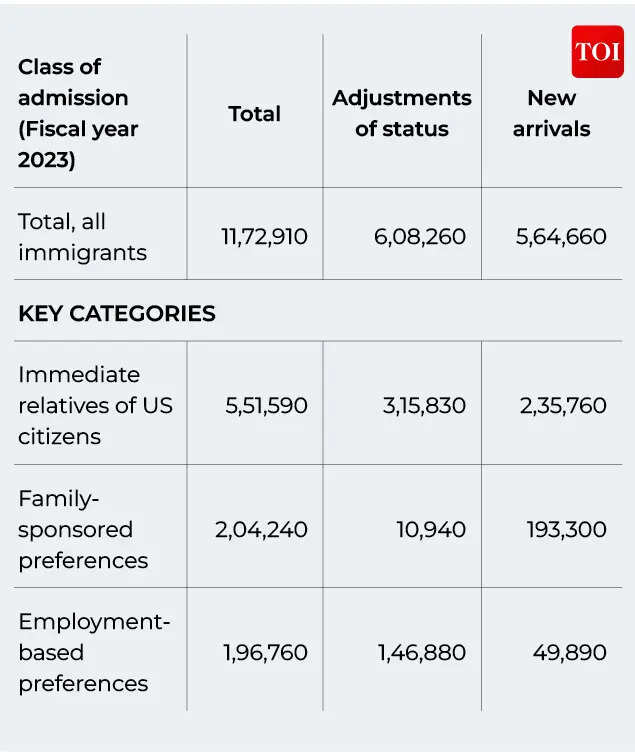
The memo impacts lakhs of immigrants
.
A buried footnote is a cause for alarm for H-1B visa holders
Collision course with AC21 protections
Families torn apart
Attorneys say memo contradicts decades of immigration law

About the AuthorLubna Kably
End of Article
Follow Us On Social Media
Hot Picks
Top Trending
Tired of too many ads?go ad free now
Trending Stories
In World
Entire Website
- Indian-origin cancer specialist banned from practising in UK says, 'I will never work...'
- 'Hindus and Muslims teaming up to take over Texas': Jan 6 rioter's hate speech at Frisco council meeting
- Watch: Pentagon releases footage of US jet shooting down mysterious UFO
- DO NOT INVITE: Why Donald Trump offboarded Tulsi Gabbard
- Indian-origin worker killed by falling branch in NZ, wife left 'completely alone'
- Indian national charged after alleged $5.6m pseudoephedrine import bust at Sydney port
- Pakistan PM Shehbaz Sharif begins 4-day China visit amid fragile US-Iran truce
- New Green Card rule: Sridhar Vembu slammed for asking Indian visa holders to come back home, to choose self-respect
- China mine blast: Death toll rises to 90; Beijing orders crackdown as rescue ops continue — top developments
- 'Fast-developing emergency': 1 killed, several injured after fire, explosions at New York City Shipyard
- IPL Live: Chahal removes Pant as PBLS tighten grip on LSG
- Cristiano Ronaldo tops Forbes highest paid athlete list again with $300 million earnings, Lionel Messi and NBA stars LeBron James and Stephen Curry follow behind
- Not brain drain but brain circulation: Why 70% of Indian graduates are heading abroad, but not staying there
- '49% followers from Pakistan': BJP claims Cockroach Janta Party holds only 9% support from India
- 84% students show self-management skills, but parents still see academics first: What a school study reveals
- US Iran War News Live Updates: Pakistan army chief Munir meets Iran’s Araghchi in late-night Tehran talks; US hints fresh strikes
- Controversial Statue Removed: BJP govt pulls down Mamata-era sculpture; Ashoka emblem to replace logo
- Lucknow doctor arrested for raping Class 12th student after giving sedative injection inside OT
- ‘Beauty alone cannot feed family’: Why Uttarakhand’s villages are falling silent
- Virat Kohli vs Travis Head: What led to viral 'no handshake' between two IPL stars
Tired of too many ads?go ad free now



Explore Every Corner
Across The Globe
IPL Playoff Qualification ScenariosLSG vs PBKSVirat KohliPetrol Price HikeKolkata Student Kidnap NewsCoco GauffHarbhajan SinghShastri Park Furniture Market FireIPL 2026NEET UG FEE RefundCristiano RonaldoLSG vs PBKS IPL MatchAP EAMCET 2026Fortnite Cummunity Day DateChina Coal Mine BlastGreen Card RuleUS Iran WarTwisha SharmaHighest Paid Athlete ListIPL Orange Cap 2026Akash SinghDonald Trump DaughterIPL 2026 Playoff PredictionJoe RootFuel Rate todayJNVST Class 6 Phase 2 ResultsLucknow super giants vs punjab kings live scoreIPL Points Table 2026Rachin RavindraAravindh Chithambarams

Hot on the Web
Swaroop Sampat RawalGul PanagRanbir KapoorRent Hike RulesAamir KhanJuhi ChawlaVedang RainaTraditional Indian FoodsDhurandhar 2 OTT ReleaseAbhishek BachchanDrishyam 3 Box Office CollectionAishwarya Rai BachchanVinod KhannaMaa Behen TrailerDeepika PadukoneChand Mera Dil Box Office CollectionNiranjana DesaiAishwarya Rai BachchanUnique Fruit TreesKaruppu Box Office CollectionDhurandhar 2Abhijeet DipkePopular FoodSnake Parks in IndiaKangana RanautHemant ModiBaby NamesDhurandhar 2 Box Office CollectionRaja Shivaji Box Office CollectionHoroscope TodayCuba Drone ThreatFatah 3 VS BrahmosUS Powerball LotteryRajnath SinghUAE Nuclear PlantSanjeev AroraNyt ConnectionsEpic Fury 2.0Legal Document PropertySuryastraS 400Captions For Instagram Posts
Trending Topics
TANCET Result 2026Twisha SharmaHamza BurhanSRH vs RCB ClashVaibhav SooryavanshiAbhishek SharmaAnimesh KujurAryna SabalenkaTamil Nadu MurderDelhi Market FireGurgaon Transformer BlastTCS Nashik CaseMP High CourtAllahabad High CourtHaryana Police EncounterLucknow RapeKolkata AirportMalabar Hill TankAIBE 21 admit cardNID DAT counselling 2026US Iran warDonald TrumpEbola treatment centreStrait of hormuzStarship V3 launch postponedRajnath singhFalta repollingPiyush GoyalBSF conquers EverestSergio GorHonda City FaceliftRealme 16TAmazon Trump TariffTrump China VisitBrian NiccolsRoyal Enfield CompensationFlight Delayed CompensationChristian KleinGarena Free Fire MAX Redeem CodesPeroxide CodesGenshin Impact Codes
Popular Categories
HeadlinesSports NewsBusiness NewsIndia NewsWorld NewsInternational SportsHealthIndian TV ShowsTechnologyTravelEtimesAstrologyDeorhiAutoTechnology NewsGold Rate TodayWeather TodaySilver Price TodayDelhi Weather TodayPetrol Price TodayDiesel Price TodayCNG Price TodayLPG Price TodayPetrol Price MumbaiDelhi AQIIs Bank Open TodayMumbai AQI TodayIs Bank Open TomorrowPublic Holidays in MayBank Holidays in May
Trending Videos
Marco Rubio Meets PM Modi In India As Both Nations Deepen Strategic And Technology TiesTwisha Sharma Case: Family Alleges Samarth Singh Received VIP Treatment Inside Court Premises‘In The Near Future’: Marco Rubio Invites PM Modi To White House ‘On Behalf Of Trump’Do This Whenever You Feel Angry | The Fastest Way to Calm an Angry Mind | Ft. Anamika YaduvanshiExperience The New Haryanvi Music Video 'Sab Nacho' By Manish MastNearly 100 Killed In Gas Explosion At Coal Mine In China's Qinyuan; 120 Hospitalised, 9 MissingWho's Your Gynac Season 2| Song - MannmaaniyaanIran Proposes Islamic Military Bloc Like NATO To Shatter Future Attacks From Western PowersS. Jaishankar Attends Roosevelt House Reception In DelhiOye Bole Oye 2 - Official TrailerDavid Dhawan Gets Emotional Praising Son Varun DhawanPat Cummins Reveals How Vaibhav Sooryavanshi Impressed Him In IPL 2026Arvid Lindblad Opens Up About His India Connect And Cricket LoveDelhi CM Rekha Gupta Inspects Advanced Air Purification TechVoicemails for Isabelle Trailer : Zoey Deutch, Nick Robinson and Nick Offerman Starrer Voicemails for Isabelle Official TrailerKatie Aselton Reveals Why iPhones And Cheap Tech Changed Filmmaking Forever‘Cannot Be Changed Verbally’: TMC’s Kunal Ghosh Questions Bengal Govt’s Direct Deportation MoveHai Jawani Toh Ishq Hona Hai - Official Teaser
Latest News
Hazaribag man drowns while fishing in lake"Behen Darr Gayi!": Fans relive ‘Bhagam Bhag’ era after watching Akshay Kumar's 'Bhooth Bangla' trailerMBOSE HSLC result 2026 to release tomorrow: Check details hereIran war risk: JPMorgan CEO Jamie Dimon warns of oil shocks, sticky inflation and higher interest ratesMake your clutch last longer with these easy driving tips“Three-against-one situation”: El Rubius opens up on being “targeted” in MrBeast’s viral $1M challengeBihar BTSC lab assistant notification released for 1091 posts at btsc.bihar.gov.in; apply hereIPL craze costs techie Rs 1.46 lakh in fake RCB vs CSK ticket scamRaising “robot-proof” kids: Why creativity and curiosity matter more than everInside ‘Satguru Sharan’: Exploring Saif Ali Khan and Kareena Kapoor Khan’s Rs 100 crore Bandra homeHow selling Alaska in 1867 was a costly mistake for Russia'Hera Pheri 3 is coming': Paresh Rawal dismisses delay reports and reveals he will 'start shooting soon'US-Iran War: A daring rescue Hollywood blockbuster is on its way. Till then, pick your favourite from these 10 films on bringing someone home against all oddsKolkata team unveils fan mural at Rash Behari Avenue, celebrating city’s first loveHow US spread a lie to rescue a pilot of a jet shot down in IranNetflix unveils ‘VOID’, an AI model that can change a movie plotAI data centers are causing 'stress' not just to tech companies, but also private insurers"Trans women are.....": Clavicular’s viral moment with trans women sparks fresh conversation on internet culture
Copyright © 2026 Bennett, Coleman & Co. Ltd. All rights reserved. For reprint rights: Times Syndication Service