
- News
- lifestyle
- parenting
- early-childhood
- Before teaching ABCs, make sure your child has these 4 essential skills, says child psychiatrist
Before teaching ABCs, make sure your child has these 4 essential skills, says child psychiatrist
Before teaching ABCs, make sure your child has these 4 essential skills, says child psychiatrist
For many parents, building the academic “foundation” in children comes with a lot of pressure. Teaching a child alphabets and numbers isn’t an easy task. However, the right preparation can make things easier!
According to child psychiatrist Dr. Srividya, academic learning becomes much easier when children first develop a few foundational life skills. Recently the expert took to social media and shared four basic skills she made sure her child had before she taught him how to read.
While these skills may seem simple, they form the building blocks for a child’s educational journey.

The first skill is language
Before children can learn to read and write, Dr. Srividya says they should be able to express themselves clearly. “The first skill is language,” she notes.
The child psychiatrist further explains that a child should be able to speak at least a few sentences. She gives examples such as: "I have pain in my tummy," "He took my toy," or "I want water."In essence, strong communication skills also allow children to participate more actively in learning environments.
The second skills is memory
Memory is another important skill that prepares children for academics. To determine whether a child has good memory or not, Dr. Srividya suggests parents teach children songs, rhymes, and ask them to recite them. Remembering words, sounds, stories, and sequences forms the foundation for many future academic tasks.
The third skill is imitation
Children learn a lot by observing and copying the people around them. "The child should be able to imitate you," Dr. Srividya explains. She explains with an example: “The child should be able to imitate you. Like you can say, a duck says quack, quack. What does a duck say? The child should be able to say quack, quack.” Gradually doing so helps children understand social interactions and language patterns.
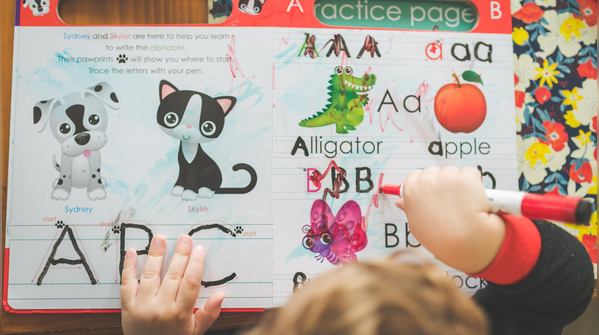
The fourth one is fine motor skills or hand grip
Many parents focus on teaching children how to recognize letters and numbers, but writing them requires a completely different set of skills. "The child should have a good hand grip and fine motor skills," says Dr. Srividya. Advising parents on how to help children with these skills, the child psychiatrist suggests handing them crayons and asking them to scribble or draw circles. “If the child can do that, then you can slowly introduce writing,” she adds.
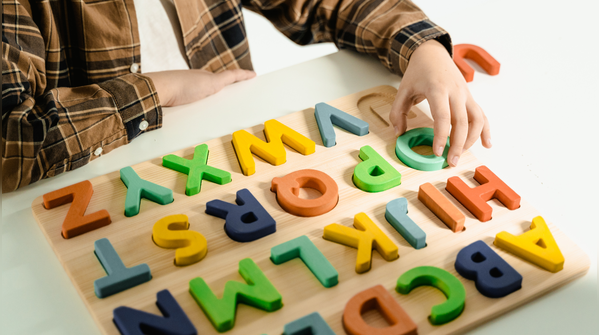
A simple foundation for effective learning
Dr. Srividya’s simple yet effective suggestions can help build the foundation of developmental skills in children. As she puts it, "Make sure the child has all these four skills because once the child has good life skills, then education comes easily for them." Afterall, a child’s academic future is not determined by how early they can recite alphabets or numbers, It is determined by how effectively they learn.
Featured In lifestyle

MORE FROM ETIMES
life & style