
- News
- Health News
- Swollen Liver often feels like bloating: Here’s how a doctor tells the difference
Swollen Liver often feels like bloating: Here’s how a doctor tells the difference

The symptom many people brush aside
A heavy stomach after a large meal is common. So is occasional bloating after eating too quickly, consuming gas-producing foods, or dealing with digestive issues. Most people experience it and move on.
But what happens when that feeling of fullness refuses to go away?
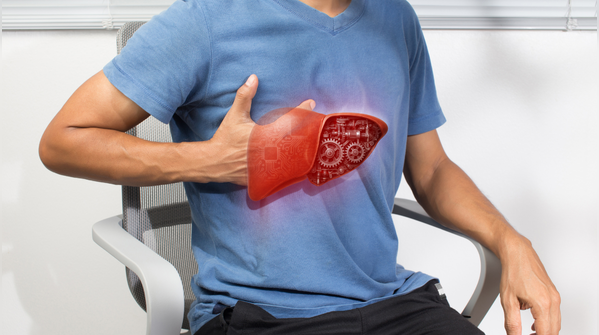
Doctors say one of the biggest challenges in liver care today is that many people mistake signs of liver enlargement for ordinary bloating. As a result, they continue treating themselves for indigestion while an entirely different health problem quietly progresses in the background.
The liver is one of the hardest-working organs in the body. It filters toxins, processes nutrients, stores energy, and supports hundreds of vital functions. Yet when it begins to struggle, the signs can be surprisingly subtle.
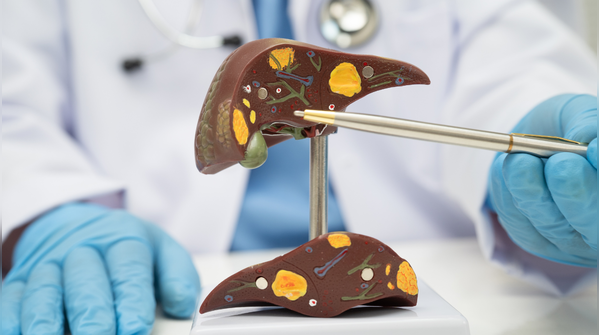
Bloating and a swollen liver are not the same thing
According to Dr Ankur Garg, Group Director, Liver Transplant & GI Surgery, Paras Health, Gurgaon, confusion between the two conditions is extremely common.
"In everyday clinical practice, a frustratingly common pattern emerges. Patients walk into tertiary care units complaining of persistent abdominal tightness, completely dismissing it as routine digestive bloating. In reality, their liver is structurally enlarged."
He explains that people often fail to understand that bloating is a symptom, while liver enlargement is a medical diagnosis.
"To resolve this issue, one must clarify a fundamental distinction. Bloating is merely a subjective, transient symptom. It is the uncomfortable, fleeting sensation of trapped gas or pressure within the gastrointestinal tract, usually linked to diet or gut motility. On the other hand, a swollen liver—medically known as hepatomegaly—is an objective medical diagnosis. It means the organ itself has physically expanded due to fat accumulation, viral infections, or deep-seated cellular inflammation. One is a temporary digestive nuisance; the other is a structural warning sign."
In simple terms, bloating usually comes and goes. A swollen liver does not.
Why people miss the warning signs
One reason liver disease is often diagnosed late is because the liver can continue functioning even when it is under significant stress.
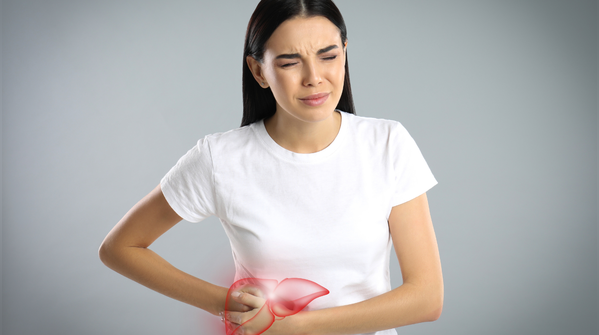
A person with an enlarged liver may not feel dramatic pain. Instead, there may be a vague sense of fullness under the right side of the ribs, persistent abdominal discomfort, unusual fatigue, loss of appetite, or a feeling that the stomach is constantly stretched.
Because these symptoms overlap with common digestive complaints, many people assume the cause is acidity, overeating, stress, or gas.
The growing burden of fatty liver disease has made this issue even more important. According to the National Institute of Diabetes and Digestive and Kidney Diseases (NIDDK), non-alcoholic fatty liver disease is now one of the most common liver disorders worldwide.
In India too, experts have repeatedly warned about the rising prevalence of fatty liver disease, driven by obesity, diabetes, sedentary lifestyles, and poor dietary habits.
The clues that suggest it may be more than bloating
Ordinary bloating often follows a predictable pattern. It may worsen after certain meals, improve after passing gas, or settle within a few hours.
A swollen liver behaves differently.
Some signs that deserve medical attention include:
Persistent abdominal fullness lasting weeks rather than hours
Discomfort or heaviness in the upper right side of the abdomen
Unexplained fatigue
Loss of appetite
Nausea without a clear digestive cause
Swelling in the legs or ankles
Yellowing of the skin or eyes
Unexplained weight changes
Doctors emphasize that none of these symptoms automatically mean liver disease is present. However, when they persist, they should not be ignored.
The liver has often been called the body's "silent organ" because significant damage can occur before obvious symptoms appear. By the time advanced signs develop, treatment options may become more complex.

The modern lifestyle is quietly increasing the risk
Many people still associate liver disease only with alcohol consumption. That belief is increasingly outdated.
Today, metabolic health has emerged as one of the biggest drivers of liver problems. Excess body weight, high blood sugar, insulin resistance, elevated cholesterol levels, poor sleep, and physical inactivity can all contribute to fat accumulation in the liver.
Dr Garg highlights the scale of the problem, "A quiet but massive shift is rewriting the economics of global healthcare. Chronic metabolic and liver diseases are soaring. Current clinical data indicate that fatty liver diseases affect more than 30% of adults worldwide."
This trend is pushing healthcare systems toward earlier diagnosis and prevention rather than waiting for severe disease to appear.
According to the US Centers for Disease Control and Prevention (CDC), maintaining a healthy weight, staying physically active, and managing diabetes are among the most effective ways to reduce the risk of fatty liver disease.

Prevention starts with paying attention
The most powerful tool against liver disease is not a new medicine or a sophisticated machine. It is awareness.
Dr Garg warns that delaying evaluation can have serious consequences.
"When patients brush off an enlarged organ as simple indigestion, they lose critical time. By the time they seek genuine medical attention, the opportunity for simple, non-invasive management has often passed."
He adds, "Understanding the difference between a fleeting gut symptom and a definitive hepatic diagnosis changes the entire trajectory of patient care."
Simple habits can go a long way in protecting liver health:
Maintain a healthy body weight
Exercise regularly
Limit alcohol consumption
Control blood sugar and cholesterol levels
Eat a balanced diet rich in fruits, vegetables, whole grains, and lean proteins
Avoid unnecessary supplements and medications without medical advice
Get recommended vaccinations for hepatitis where applicable
Seek medical evaluation if abdominal symptoms persist
Most importantly, persistent abdominal fullness should not always be dismissed as a digestive inconvenience. Sometimes the body is trying to communicate something deeper.
The difference between bloating and a swollen liver may seem small on the surface. In reality, it can determine whether a condition is detected early or allowed to progress silently for years.
Medical experts consulted
This article includes expert inputs shared with TOI Health by:
Dr Ankur Garg, Group Director Liver Transplant & GI Surgery, Paras Health, Gurgaon.
Inputs were used to explain how persistent abdominal fullness is often mistaken for ordinary bloating, the key differences between digestive bloating and liver enlargement, warning signs people commonly overlook, and why early medical evaluation is crucial for protecting long-term liver health.
Featured In Health

