
- News
- lifestyle
- travel
- destinations
- India’s very own 'Norway': Destinations that resemble the beautiful European destination and are best visited in winter
India’s very own 'Norway': Destinations that resemble the beautiful European destination and are best visited in winter
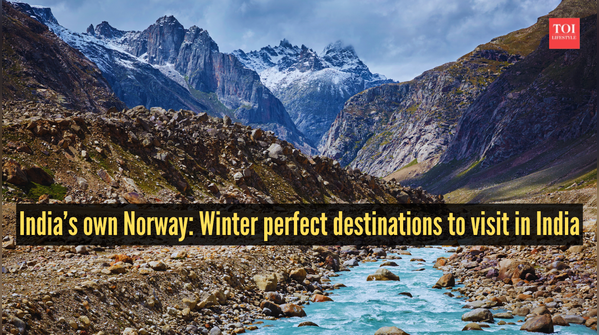
India’s very own Norway: Destinations that resemble the beautiful European destination and are best visited in winter
There’s something special about each season. Similarly, places are also decided as per the season to make the most of them. And needless to say, when it comes to that, India does not disappoint even a little. Several places across the country which are often described as the ‘Norway of India,’ turn breathtakingly gorgeous, especially during winters. That’s not a comparison to make on the city-by-city level, but about visual similarities and features, like river canyons, fading human settlement patterns, long winters with drab colors, and so much more. Places that are often referred to, and are close to evoking that feel, are Dibang Valley, Narkanda and Lahaul Valley. Winter turns their landscapes Nordic to some extent. Find out if you should be booking those tickets now.
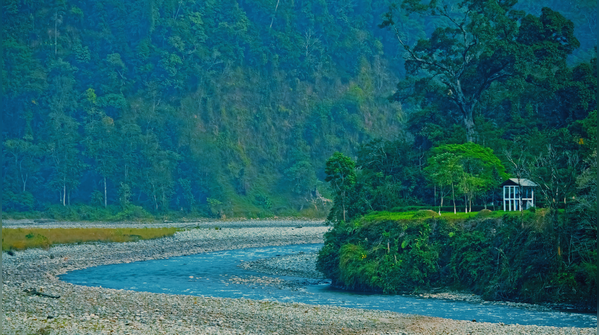
Dibang Valley, Arunachal Pradesh
Dibang Valley is widely believed to be the most “Norway-like” region in India. One of the most remote and sparsely populated districts in the country, it is characterized by large U-shaped valleys, with steep mountain walls in which beautiful roads snake around bends above the mighty Dibang River flowing below. These cuts bear a close resemblance to the inland Norwegian fjords, broad valleys surrounded by steep hillsides formed by early glacial penetration.
In winter, Dibang Valley is even more beautiful. Snow at higher elevations, the still forests, rivers slowing down, while the landscape turns desolate and monochrome. The only sign of human presence is sparse, accentuating the feeling of isolation with which many travellers associate Norway’s northern interiors. Winter here has nothing to do with ticking off the sights; it’s about witnessing raw geography at its most raw form.
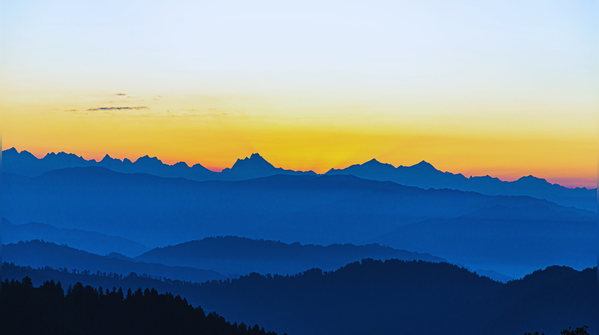
Narkanda, Himachal Pradesh
Narkanda’s “Norway of India” profile is mellower and more atmospheric. Nestled in the midst of a thick woods of pine and fir, and set at an inviting attitude, is Narkanda. This important apple belt of Himachal Pradesh provides beautiful areas for almond and cherry blossoms during summer vacations. In winter, snow covers the area like a narrow Nordic landscape, a hollow moon of white pastures with dark tree lines and pale skies.
What distinguishes Narkanda in winter is its quiet ambience. However, the city never has brash commercial overtones, which other hill stations seem to display. Apple orchards lie dormant under snow, village roads empty out, and daily life slows noticeably.The views do not exhibit arresting peaks but long-twirling ridgelines, which make for a topography that feels organised and free and contemplative, those being characteristics we associate with the countryside of Scandinavia rather than the busier landscapes of the Himalayas.
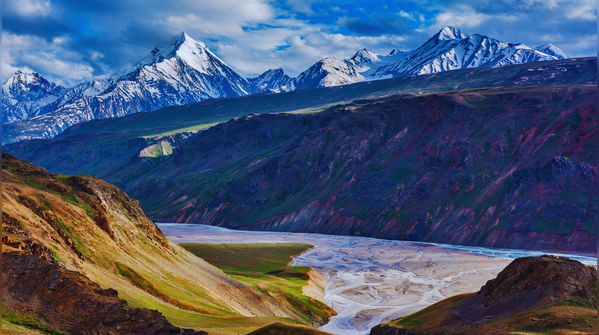
Lahaul Valley, Himachal Pradesh
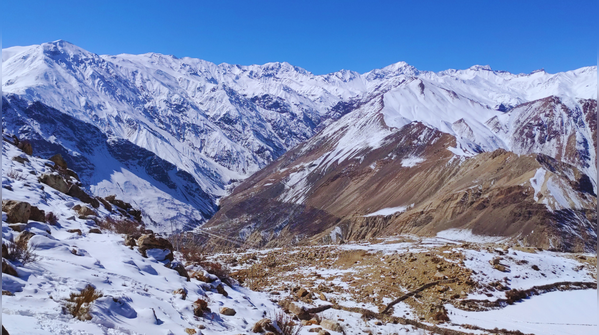
Lahaul Valley introduces another element to the Norway of India comparison. Located beyond the Rohtang and Atal Tunnel corridors, Lahaul is a cold desert defined by wide river plains, bare mountains, and scattered settlements. In winter, snow covers the valley floor while poplar trees stand leafless against vast, open skies.
The resemblance to Norway lies in Lahaul’s stark simplicity. Colour fades, crowds disappear, and the valley is reduced to essentials, rock, snow, water, and sky. Towns like Keylong feel suspended in time, with long winter shadows and limited daylight shaping everyday life. Unlike summer, when green patches soften the terrain, winter reveals Lahaul’s true character: spacious, severe, and profoundly quiet.
Why visit during winters
Dibang Valley, Narkanda and Lahaul Valley are the most “Norwegian” in winter, when the snow covers the excess details. What is left is form, scale and silence. PThese destinations are not defined by luxury or activity-heavy itineraries, but by atmosphere—vast landscapes, slow rhythms, and a sense of humility before nature. For those looking for the Indian mood that most resembles Nordic noir, winter is not even the best season, it’s just the one that defines these places.
Featured In lifestyle

MORE FROM ETIMES
life & style