
- News
- lifestyle
- travel
- destinations
- 5 wetlands in North India to visit before the winter migratory season ends
5 wetlands in North India to visit before the winter migratory season ends
5 wetlands in North India to visit before the winter migratory season ends
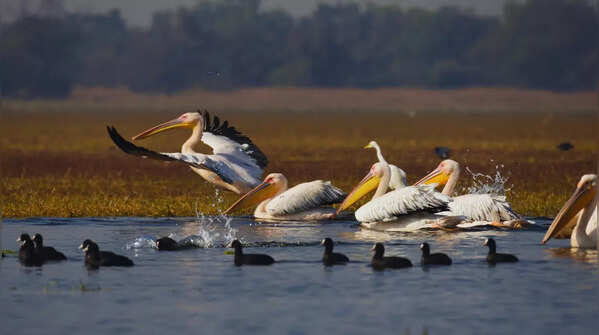
Every winter, North India quietly transforms into a haven for migratory birds. From Siberian cranes and bar-headed geese to flamingos and pintails, thousands of birds escape harsh northern climates and descend upon India’s wetlands, lakes, and river plains. But the spectacle doesn’t last forever. By late February and March, many of these winged visitors begin their long journey back. If you want to witness vast flocks taking flight at sunrise or hear wetlands echo with unfamiliar calls, now is the time. Here are some of the best wetlands in North India to visit before the winter migratory season comes to an end.
Keoladeo National Park in Rajasthan
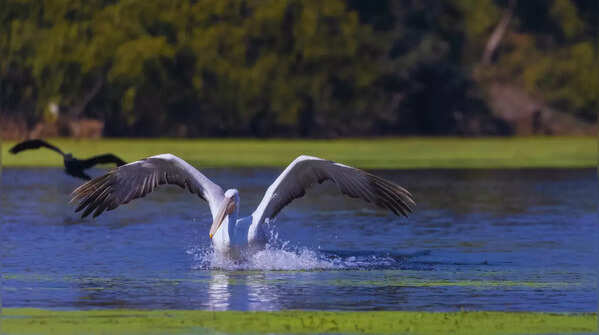
One of India’s most famous bird sanctuaries, Keoladeo National Park (formerly Bharatpur Bird Sanctuary) is a UNESCO World Heritage Site and a winter paradise for birdwatchers. During the migratory season, species from Central Asia, Europe, and Siberia arrive in large numbers. You can spot painted storks, pelicans, cranes, ducks, and raptors across its marshes and woodland patches. The flat landscape of the park makes it an ideal destination for a cycling tour or a rickshaw ride accompanied by expert guides.
Sultanpur National Park in Haryana
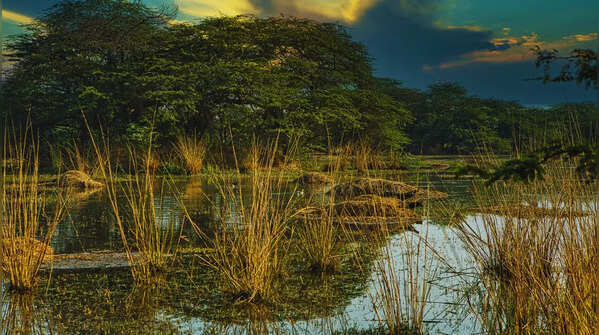
Situated just outside Gurugram, this compact and highly rewarding wetland attracts migratory species of birds such as the greater flamingo, northern shoveler, and Eurasian wigeon. The park’s proximity to Delhi makes it an ideal getaway for a short break. The elevated watchtowers and walking trails ensure a comfortable birding experience. With the onset of warmer days, the park comes alive as the migratory birds prepare for their journey.
Pong Dam Lake in Himachal Pradesh
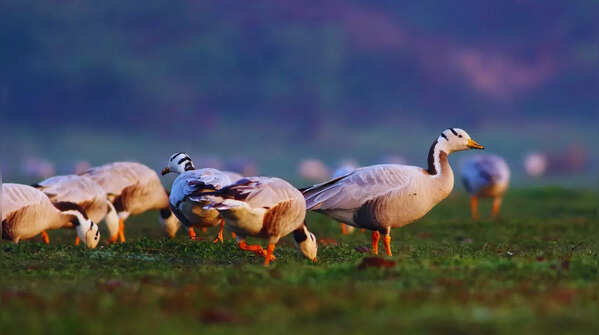
Pong Dam Lake, also known as Maharana Pratap Sagar, transforms into a vast migratory waterbird destination in the winter months. Thousands of bar-headed geese and other species of waterbirds can be spotted across its vast expanse. The lake provides a beautiful setting as it is surrounded by the Dhauladhar mountain range. It has been designated a Ramsar site for its ecological significance.
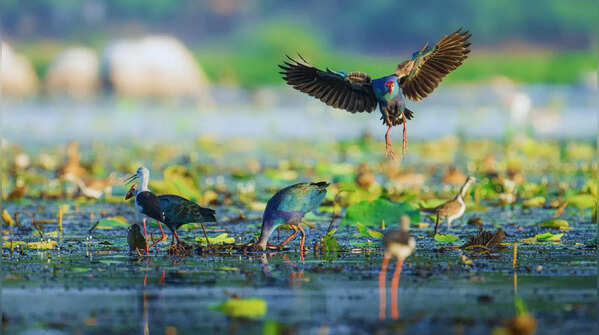
Harike Wetland in Punjab
Harike Wetland is located at the confluence of rivers Beas and Sutlej. It is considered to be one of the largest wetlands of North India. It is considered to be an important habitat for wintering migratory birds. Bird lovers get to see tufted ducks, pochards, and marsh harriers.
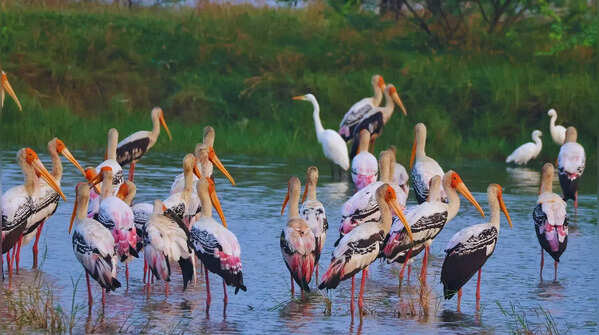
Okhla Bird Sanctuary in Uttar Pradesh
It is located along the Yamuna River and is close to Delhi. It is considered to be an important habitat for hundreds of species of migratory birds during winter. It is surprising to see how biodiversity is found here despite its location being close to urban development. It is possible to see flocks of cormorants, herons, and ducks during the last weeks of winter.
Featured In lifestyle

MORE FROM ETIMES
life & style