
Art quote of the day by Edgar Degas: “Painting is easy when you don’t know how, but very difficult when you do.”
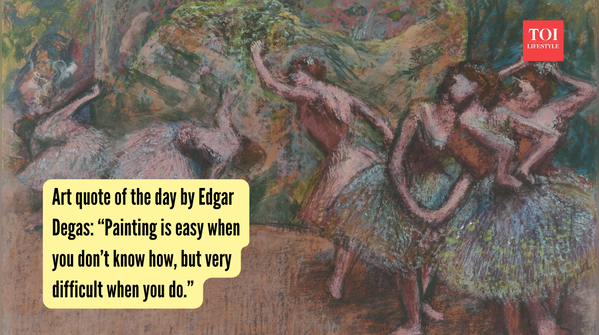
Art quote of the day by Edgar Degas: “Painting is easy when you don’t know how, but very difficult when you do”
Only an artist knows the turmoil of their heart and mind, the chase for minute details that push them to put it down on canvas in the most mesmerising ways.
Edgar Degas, a French Impressionist artist, put this message down beautifully in his quote, “Painting is easy when you don’t know how, but very difficult when you do.” It catches you because it reverses the usual expectation that knowing more makes things easier. The sentence doesn’t teach technique or tell a story; instead, it hands you a paradox to sit with.
It compels you to ponder the idea that learning the rules and subtleties of a craft can make the work feel heavier, more exacting, and more morally demanding.Photos via Canva
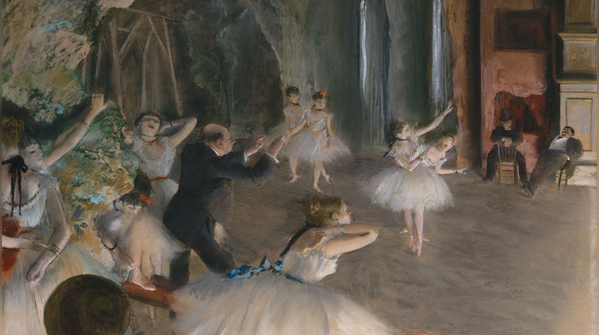
Art quote of the day
“Painting is easy when you don’t know how, but very difficult when you do.”
- Edgar Degas
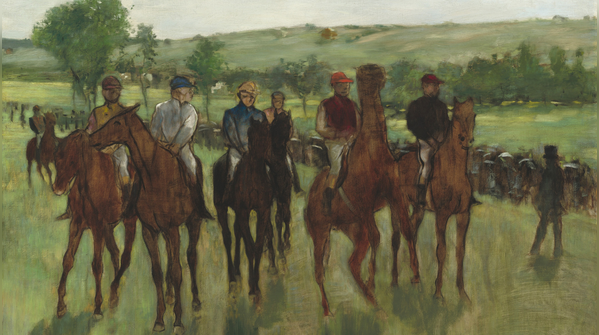
What does the quote mean?
Degas’s quote means that painting can seem easy when you do not know much about it. A beginner may paint freely without worrying about rules such as composition, perspective, or anatomy, which can make the work feel natural and fresh. Since they do not yet know the standards, even mistakes can sometimes look interesting.
But once a person learns more, painting becomes harder in a different way. They start to notice small errors, weak choices, and the gap between what they intended to make and what they actually made. So, even though knowledge brings more information in the mind, but it also brings more pressure.
In essence, the quote tells us that learning a craft makes you more aware of how much skill it really takes. It is not saying that learning is bad. It is saying that the more you know, the more carefully and thoughtfully you must work.
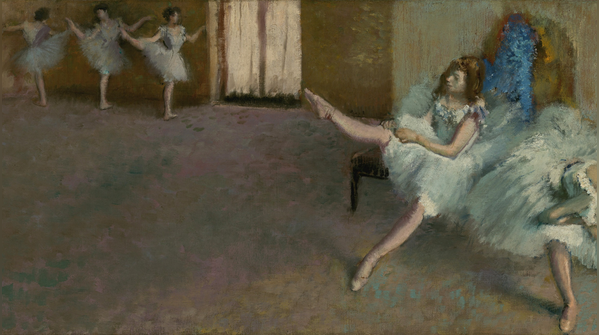
The quote’s relevance now goes beyond painting
While today, there is an information overload about almost every topic online, with the “how-to” tutorials and the easy of availability of resources, many activities are easier to attempt but harder to master. Kick starting with photography, cooking, coding, and even content writing can give satisfying results instantly, but deeper competence exposes details, and higher standards complicate practice.
Degas also addresses how others perceive creative labour. Inexperienced people may call art “easy” because they don’t see the invisible expertise behind refined work. That misconception still affects artists today as they are undervalued, underpaid, and pressured to produce quick, marketable pieces, which come as the modern versions of the old misunderstanding.
Featured In lifestyle

MORE FROM ETIMES
life & style