
- News
- lifestyle
- soul-search
- Thought of the day inspired by the Bhagavad Gita: Peace comes when expectations fade
Thought of the day inspired by the Bhagavad Gita: Peace comes when expectations fade
Thought of the day inspired by the Bhagavad Gita Peace comes when expectations fade
People often tie their happiness to expectations and immediate results. The world today is driven by readily available facilities, like getting instant house help through online platforms, gig workers delivering deliverables just in time, and so on!
Hence, we often expect immediate success in our careers, appreciation from others, quick results from hard work, and constant happiness in relationships. But when these expectations are not fulfilled, disappointment, stress, and frustration slowly take over our minds. This emotional pressure has become common in modern life, especially in a time when social media constantly shows perfect lifestyles and achievements.
The teachings of the Bhagavad Gita remind us that true peace does not come from controlling every outcome. Instead, peace comes from learning how to stay calm and balanced, even when life does not go according to plan. One of the deepest messages of the Gita is to focus on our actions and efforts rather than becoming attached to results.

Idea behind the quote
The thought, “Peace comes when expectations fade,” beautifully reflects this wisdom. It does not mean giving up dreams or becoming careless. It simply teaches us to stop letting our happiness depend completely on outcomes we cannot always control.
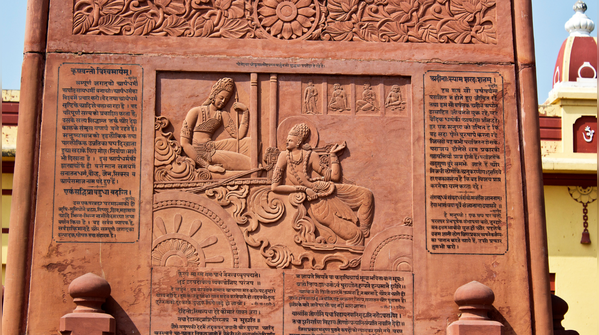
Thought of the Day Inspired by the Bhagavad Gita
"You have a right to perform your prescribed duty, but you are not entitled to the fruits of action. Never consider yourself the cause of the results of your activities, nor be attached to inaction."
Chapter 2, Verse 47

What does the quote mean?
The quote carries a powerful lesson from the Bhagavad Gita. It teaches that many of our worries begin when we expect too much from people, situations, or even ourselves. Expectations create attachment to certain outcomes, and when reality turns out differently, the mind becomes disturbed.
In the Bhagavad Gita, Lord Krishna advises Arjuna to focus on performing his duty sincerely without becoming attached to the results.
This idea does not mean that people should stop dreaming or working hard. Instead, it encourages individuals to give their best while accepting that not everything can be controlled. Peace comes when a person stops depending completely on success, praise, or approval for happiness.

The quote remains timeless
Today, many people feel pressure to constantly achieve more, look better, earn more money, or gain social validation. Social media has increased comparison and unrealistic expectations, making people anxious and emotionally exhausted. Many individuals feel unhappy not because their lives are bad, but because reality does not match their expectations.
The Bhagavad Gita teaches that attachment to desires and outcomes often leads to suffering. A peaceful mind remains balanced in both success and failure.
When expectations reduce, gratitude increases. People begin to enjoy the present moment instead of constantly worrying about what should happen next.
Featured In lifestyle

MORE FROM ETIMES
life & style