
- News
- lifestyle
- parenting
- parentology
- foundations-first
- Teaching in the age of short attention spans
Trending
Teaching in the age of short attention spans
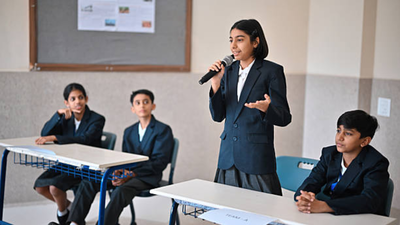
Quick shifts. Constant novelty. Immediate rewards.But understanding something deeply still requires staying with it longer than the brain wants to.That tension is the modern classroom.You can see it in tiny ways. One of the students asks, "Are we nearly over? five minutes into an activity. Another will lose interest half way through a reading passage, not because it is difficult, but because there is nothing visually different in some time. A group discussion begins well but dwindles away when minds get distracted.And teachers? They’re not just teaching content anymore. They’re managing mental energy.Lessons today have to breathe differently. Teachers move like conductors, not speakers. A bit of explanation. Then a question. Then movement. Then reflection. Then visuals. Then discussion. The rhythm shifts constantly.It’s not about entertaining students like a show. It’s about understanding that attention now comes in shorter waves.And here’s something people outside classrooms don’t see. Teachers feel it too. The effort it takes to keep a room mentally with you. The constant reading of faces. The adjustments mid-sentence. The quiet calculations of “they’re drifting, change pace.”It’s emotional labour as much as intellectual work.But there’s also something hopeful here.Students haven’t lost the ability to focus. They focus intensely when something truly hooks them. When a topic feels real. When they’re solving something hands-on. When they feel involved instead of just spoken to.Attention hasn’t disappeared. It just needs an entry point.That’s why classrooms now lean into stories, real-life examples, collaborative work, visuals, and discussion. When students see where learning fits in their world, their attention stays longer.Still, not every part of learning can be fast or flashy. Reading quietly. Practising math. Writing drafts. These parts feel slow. And slow now feels uncomfortable.So teachers are also teaching something deeper than subjects.They’re teaching how to sit with effort.How to push past the moment where the brain says “switch.” How to stay with a problem when it doesn’t give an instant answer. That skill matters far beyond school. It’s what helps someone stay in a tough conversation. Finish a long project. Work through confusion instead of escaping it.But building that stamina takes time, and it doesn’t always look graceful. There are restless days. Distracted mornings. Lessons that don’t land. Teachers go home wondering if anyone really absorbed anything.And then there are the other days.The room is quiet, but not empty. Students leaning forward. Someone asking a question that goes deeper than the lesson. A class debate that sparks real thinking. A moment when time disappears because everyone is engaged.Those moments still happen. And they feel even more powerful now because they rise above the noise.Short attention spans haven’t ruined education. They’ve forced it to evolve. Teachers have become more creative. More flexible. More emotionally aware. They can’t just deliver information anymore. They have to build connection, pace, and meaning.And maybe this shift has revealed something important.Attention is not commanded. It’s earned.In a world fighting for every second of a child’s mind, the classroom that wins attention is the one that feels human. Where questions are welcomed. Where learning feels alive. Where students feel seen, not managed.Teaching today is harder. No doubt. But it’s also more alive than ever. It asks teachers to be present, responsive, and creative in ways older models never demanded.The noise outside the classroom is loud.But when learning truly clicks, it still has the power to quiet the room.

About the AuthorTOI Lifestyle Desk
End of Article
Follow Us On Social Media
Health +
Tired of too many ads?go ad free now
lifestyle videos
Featured In Parenting

Tired of too many ads?go ad free now



MORE FROM ETIMES
life & styleHot on the Web
Rajpal YadavRashmika MandannaPlato QuoteAssi ReviewRashmika MandannaBafta Awards 2025 LiveDelhi MetroFunky OTT RelesaeAmitabh BachchanVijay Deverakonda HouseToxic TeaserThe 50 WinnerR MadhavanKiku ShardaHouse Of The Dragon 3 TeaserSalman KhanNeena Gupta'O'Romeo' Box Office CollectionFyodor Dostoevsky QuoteRashmika Mandanna HouseSocrates QuoteRaakshasaRanveer SinghImmanuel KantKuno National ParkEnid BlytonThe 50Horoscope TodayBorder 2 Movie ReviewTu Yaa Main Movie ReviewToday Gold Rate in ChennaiDelhi Weather TodayDelhi AQI TodayMumbai AQI TodayMaharashtra Public Holidays 2026Samsung Galaxy s26 UltraEL Mencho DaughterSteve JobsApple March EventBill Gates Car CollectionGTA 6 Price
Trending Topics
Latest MoviesBollywood MoviesHollywood MoviesTamil Movies 2026Telugu Movies 2026Malayalam Movies 2026Kannada MoviesMarathi MoviesBengali Movies 2026Top Rated Movies 2026Best Hindi MoviesBest English MoviesBest Telugu MoviesBest Tamil MoviesBest Malayalam MoviesBest Kannada MoviesBest Bengali MoviesUpcoming Hindi MoviesBest Movies Of All TimeBest Hindi Movies of All TimeLatest English MoviesLatest Malayalam MoviesEnglish TV NewsTamil TV NewsTelugu TV NewsMalayalam TV NewsKannada TV NewsMovie ReviewsBhojpuri Cinema NewsGujarati Cinema News
Popular Categories
Viral NewsK Pop NewsWeb Series NewsAnime NewsUpcoming English MoviesUpcoming Tamil MoviesUpcoming Telugu MoviesUpcoming Malayalam MoviesUpcoming Kannada MoviesFashion TipsTravel NewsEntertainment NewsBollywood NewsTollywood NewsKollywood NewsMollywood NewsFood NewsLatest Hindi MoviesLatest Tamil MoviesParenting TipsHome RemediesWeight LossBeauty TipsParenting TipsHindi VideosHindi Video SongsBhojpuri Music VideosLatest Telugu MoviesBhojpuri Music VideoHindi TV News
Latest News
Samantha Ruth Prabhu jokes that 'ROFL' was coined after her during an interaction with fans on social mediaRandeep Hooda seeks blessings at Kolhapur Mahalaxmi temple'Minor incident on ground': HAL dismisses Tejas 'crash' reports; defends safety record of jetWho is El Mencho’s daughter Jessica Johanna: Know how her business ties led to a 30-month US prison sentencePlay isn’t just for toddlers: Fun ways to connect at any ageNikita Dutta on participating in a marathon in Andamans!Reading between the lines: Understanding kids without wordsActing happened to me coincidentally; my original dream was to become a director: Vishaal MohanIIT Madras introduces flexible BS programme in Management and Data Science with open access admissionsMess up, own up: Teaching resilience through your mistakesParenting without comparison: Letting children grow at their paceBhagyashree: This birthday, I’m breaking the jinx with a mother-daughter getawaySaiyami Kher: If you’ve played a cricketer and run marathons, people assume you’re permanently in sports modeFrom fake dates to adulterated khoya: Expired food worth ₹50 lakh seized before festivals, Kanpur raids expose dangerous scamStories that stick: Teaching life lessons through shared talesShadab Khan's 'Pakistan will play the final' claim goes viral - WATCHRahil Azam: My parents are my first priority, work comes laterBharti Singh breaks down emotionally after losing her diamond ring on the sets of Laughter Chef 3