
- News
- lifestyle
- home-garden
- Things you are not allowed to do in your garden in the US
Things you are not allowed to do in your garden in the US
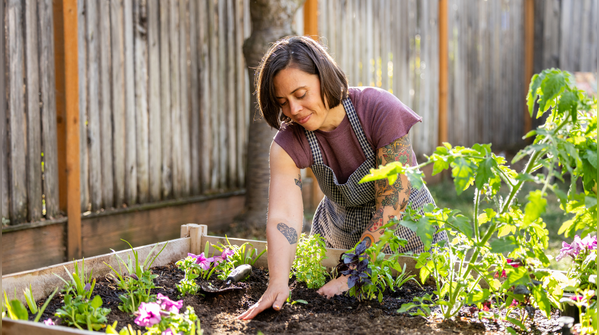
US garden rules you must know
A backyard garden may feel like a private escape, but in many parts of the United States, there are rules about what can and cannot happen there. Some restrictions are linked to safety, while others are connected to wildlife protection, neighbourhood harmony, fire hazards, or public health. Many homeowners only learn about these rules after receiving a warning letter, a fine, or an unhappy visit from local authorities.
What makes it even more surprising is that some activities that seem harmless can actually violate city laws, homeowner association rules, or environmental regulations. From growing certain plants to burning waste or feeding wildlife, the American backyard comes with responsibilities that many people never think about.
Here are some things people are not allowed to do in their gardens in different parts of the US, and why these rules exist in the first place.
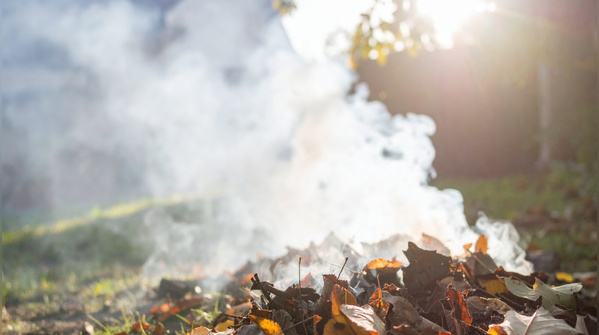
Burning garden waste without permission
Many people assume dry leaves, branches, or old plants can simply be burned in the backyard. In reality, open burning is heavily controlled across several US states and cities. In some places, it is completely banned because it increases air pollution and can quickly trigger wildfires.
Even a small pile of burning leaves can become dangerous during dry weather. In wildfire-prone states like California, Arizona, and Colorado, strict fire safety rules apply to residential gardens. Some counties allow controlled burning only during specific seasons and with official permits.
The smell of smoke may also disturb neighbours or affect people with asthma and breathing problems. What seems like simple garden cleaning can become a public safety issue very quickly.
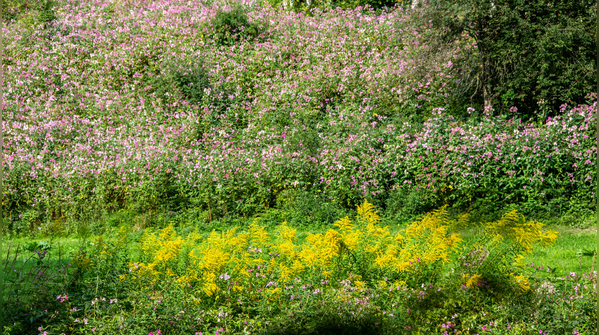
Growing invasive plants that damage local ecosystems
Certain decorative plants may look beautiful in a garden but are considered harmful in many American states. These are called invasive species because they spread aggressively and damage local plants, water systems, and wildlife habitats.
Plants such as bamboo, Japanese knotweed, purple loosestrife, or English ivy are restricted or discouraged in several regions. Some homeowners have even faced legal complaints after invasive roots spread into neighbouring properties or public land.
What makes this issue serious is that invasive plants do not stay inside fences. They can travel through soil, water, and wind, quietly taking over entire landscapes. Many local governments now encourage residents to replace invasive species with native plants that support birds, bees, and pollinators.
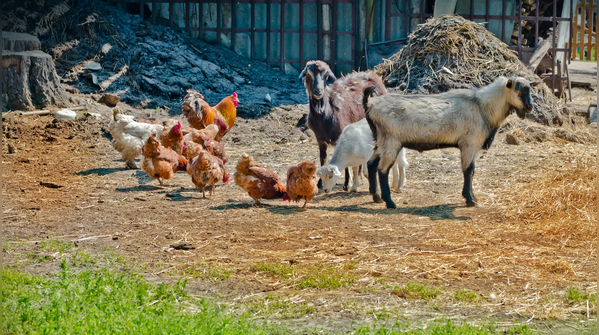
Keeping too many chickens or farm animals
Urban gardening has become popular across America, and many families now keep chickens for fresh eggs. But most cities have strict rules about how many animals can be kept in residential gardens.
Some areas ban roosters because of noise complaints. Others limit the number of hens allowed per household. Goats, pigs, ducks, or miniature livestock may also require special permits or larger property sizes.
These rules are not meant to stop gardening lifestyles. They exist because overcrowded backyard animals can create hygiene problems, attract rats, and disturb nearby residents. In tightly packed neighbourhoods, even a small coop can become controversial if it is poorly maintained.
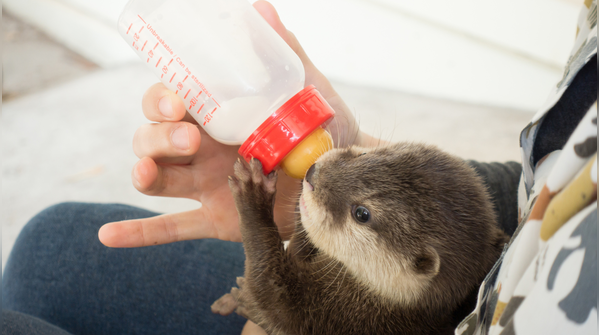
Feeding wildlife in the backyard
Leaving food outside for deer, raccoons, bears, squirrels, or stray animals may feel kind-hearted, but in many US regions, it is either discouraged or illegal.
Wild animals that become dependent on human food often lose their natural survival instincts. In states where bears are common, feeding wildlife can create dangerous encounters between animals and humans. Some local authorities issue fines if food scraps repeatedly attract wild animals into residential areas.
Bird feeders are usually allowed, but even they may come with seasonal restrictions in bear-prone regions. Experts often warn that feeding wildlife changes animal behaviour in ways that can harm both people and the animals themselves.
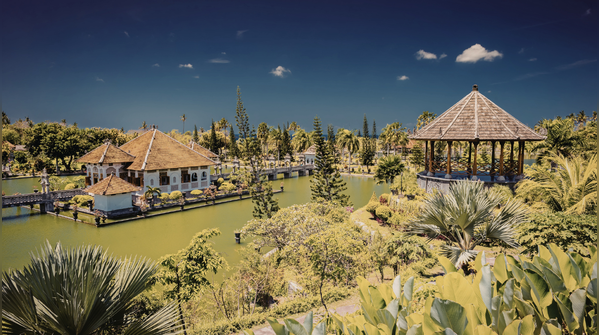
Building structures without approval
A small greenhouse, shed, fence, pergola, or deck may seem like a simple garden improvement. However, many US cities require permits before building permanent outdoor structures.
There are rules about height, drainage, distance from property lines, and even how structures affect neighbours’ sunlight or visibility. Homeowners associations in some communities can also regulate the appearance of gardens, fences, and outdoor decorations.
Ignoring these rules can lead to penalties or forced removal of structures. In some cases, homeowners have had to demolish expensive backyard additions simply because proper approval was never taken.
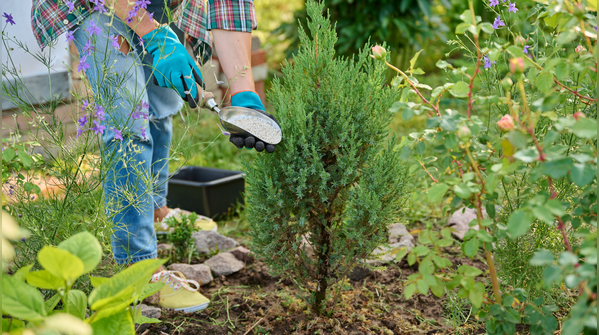
Using harmful chemicals carelessly
Pesticides and weed killers are common in gardens, but using them improperly can create serious environmental problems. Certain chemicals are restricted in residential areas because they can contaminate water sources, harm pollinators, or affect pets and children.
Some American states have tightened rules around chemical lawn treatments, especially near schools, parks, or wetlands. Overusing pesticides may also kill beneficial insects like bees and butterflies that help gardens thrive naturally.
There is also growing awareness about how chemicals move beyond one property. Rainwater can carry garden toxins into nearby rivers and lakes, affecting entire ecosystems far away from the original garden.
Disclaimer
Rules and restrictions related to gardens, plants, animals, fire safety, and outdoor structures vary widely across US states, counties, and cities. This article is meant for general informational purposes only. Readers are advised to check local laws, municipal guidelines, and homeowner association regulations before making changes to their gardens or outdoor spaces.
Featured In lifestyle

MORE FROM ETIMES
life & style