
- News
- lifestyle
- home-garden
- Meet the eyelash viper: One of nature’s most striking snakes
Meet the eyelash viper: One of nature’s most striking snakes
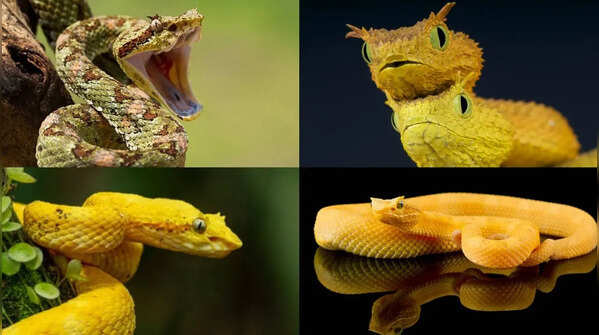
Meet the eyelash viper: One of nature’s most striking snakes
Many animal species seem unreal, but one of the most outstanding examples is surely the eyelash viper. This unique creature is known for its rare "eyelash-like" scales as well as beautiful colouring. This type of venomous snake lives in Central and South American rainforests. Although it is relatively small compared to other viper species, this snake demonstrates impressive skills of an ambush predator. Experts usually call it one of the most outstanding representatives of camouflaged reptiles. Here are six surprising facts about the mysterious eyelash viper.
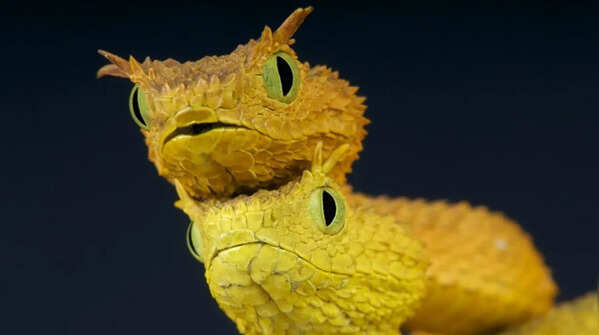
Eyelash viper – the snake with unusual scales on its forehead
The eyelash viper gets its name from the distinctive scales positioned above its eyes, which resemble eyelashes from a distance. These raised scales give the snake a unique appearance rarely seen in other reptiles. Scientists believe the structures may help break up the outline of the snake’s head, improving camouflage among leaves and branches. The snake’s unusual look has made it one of the most photographed vipers in the world.
How to identify a cottonmouth snake (water moccasin) in or around your home and garden
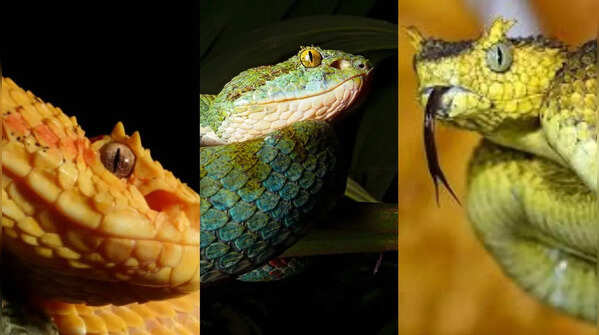
The snake comes in surprisingly vibrant colours
Contrary to many other snakes that demonstrate dull camouflaging colors, eyelash vipers appear in bright yellow, green, red, orange, and pinkish colorings. In many cases, such color variation makes them resemble flowers or fruits in tropical environments. According to wildlife specialists, this variety of colors allows such snakes to adapt better to their natural environment.
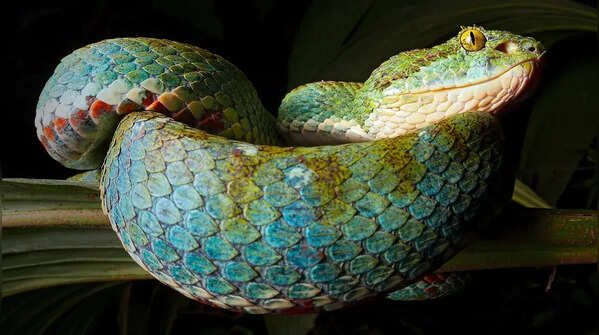
Camouflage and patience help this snake become a skilled hunter
This species of vipers is considered an ambush predator, and this feature allows them to stay hidden among foliage and wait for prey for a long time. Remaining motionless on a branch, the snake blends perfectly with leaves and fruits. Many small mammals and amphibians can overlook such predators. Thus, eyelash vipers save energy and increase their chances to get food.
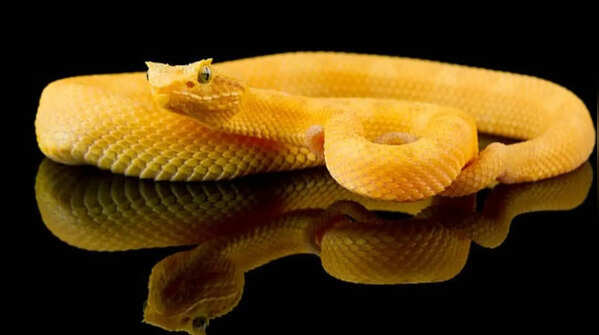
Heat sensors allow this snake to see in the dark
All pit vipers demonstrate the presence of special heat sensors, which allow such snakes to detect warm-blooded predators even in complete darkness. Such thermal detectors of this snake help them find animals close to them in the forest, despite poor visibility during nighttime hours.
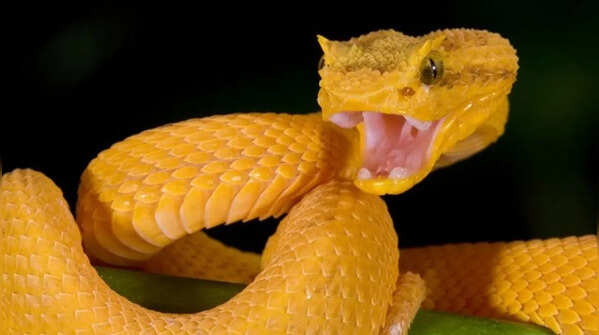
Despite their bright coloring, they are poisonous
As mentioned, the eyelash viper belongs to the group of vipers, and therefore, this snake is venomous. This venom is used to immobilize potential victims before feeding. Wildlife specialists emphasize that these animals are non-aggressive toward people unless they sense a threat or direct danger.
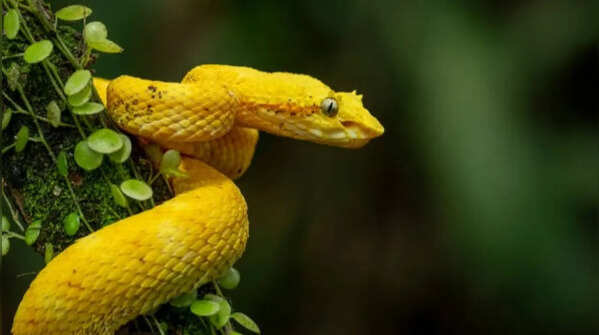
They spend a lot of time in trees
In fact, eyelash vipers are arboreal snakes. This means that they spend most of their time high in trees. Moreover, the strong grip and special coiled resting position allow this reptile to sit in branches all day long. Forests with rich flora provide suitable conditions for eyelash vipers to hide successfully.
Disclaimer:
This article is for general informational and wildlife awareness purposes only. Behavior, color variation, and venom potency of eyelash vipers may vary depending on habitat, environmental conditions, and individual species characteristics. Although these snakes are generally not aggressive toward humans, they are venomous wild animals and should never be handled or approached in natural habitats. Readers are advised to contact local wildlife authorities, forest departments, or trained snake rescue professionals for safe assistance during snake encounters.
Featured In lifestyle

MORE FROM ETIMES
life & style