
- News
- lifestyle
- home-garden
- How to grow karela (bitter gourd) in containers at home
How to grow karela (bitter gourd) in containers at home
How to grow karela (bitter gourd) in containers at home
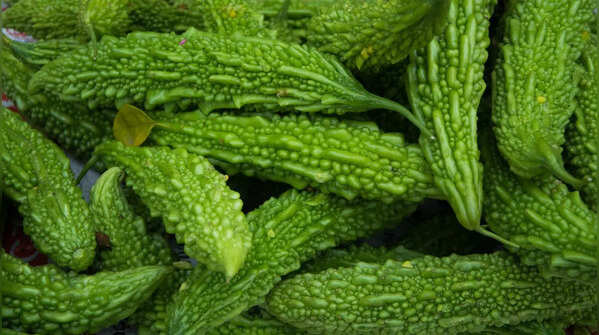
Karela, also called bitter gourd or bitter melon, is a warm-season climbing vegetable that does well in heat, sunlight and humidity. It can be grown surprisingly well in a container if taken care of properly and given the right conditions. Here are some steps for growing bitter gourd in pots:
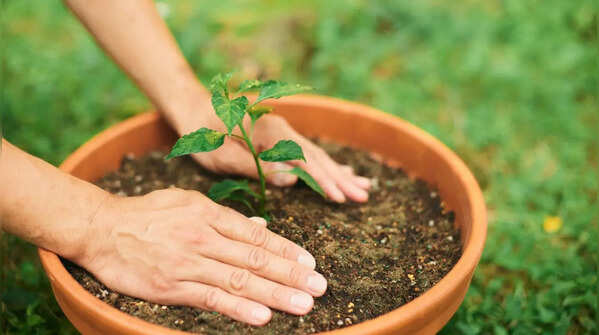
Choose a large container
Pick a deep, sturdy pot or grow bag with drainage holes which is at least 15-18 inches deep and wide. Bitter gourd is a vine, so it needs enough root space and a container that will not topple once the trellis starts carrying weight.
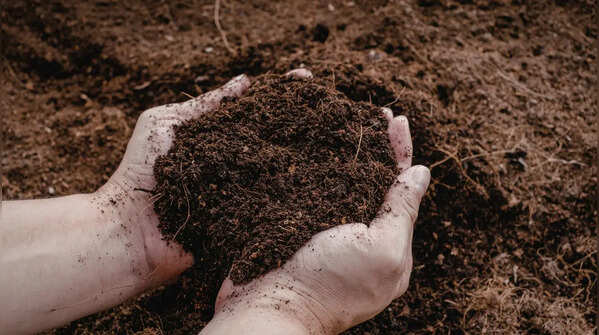
Use a rich, well-draining potting mix
Mix garden compost into the potting soil so the plant gets steady nutrients. Bitter gourds like moisture but waterlogging can weaken the roots and reduce growth. A healthy mix should hold some moisture while still letting excess water move away quickly.
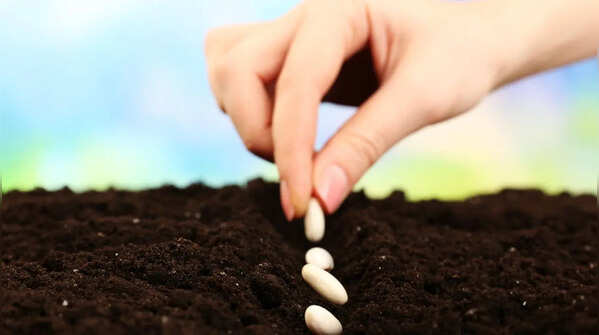
Plant at the right time
Bitter gourd is a warm-season crop, so sow it only when the weather is consistently warm. The seeds germinate best in warm, moist soil, and cool conditions can slow them down or stop them from sprouting well.
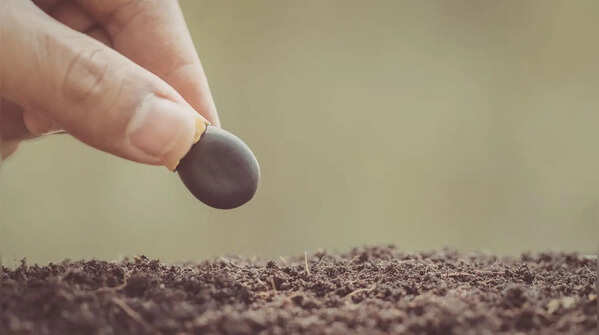
Sow the seeds carefully
Place the seeds a little below the soil surface and keep the mix evenly moist until they sprout. Many gardeners sow more than one seed in a pot and later keep the strongest seedling, which gives the plant a better start. If you begin indoors, use biodegradable pots so the roots are disturbed as little as possible during transplanting.

Give the plant full sun
Karela grows best in bright sun and warm conditions. A sunny balcony, terrace, or patio is ideal, because the plant needs enough light to produce strong vines, flowers, and fruits. In softer climates, a little afternoon shade can help, but too much shade usually leads to weak growth and fewer fruits.
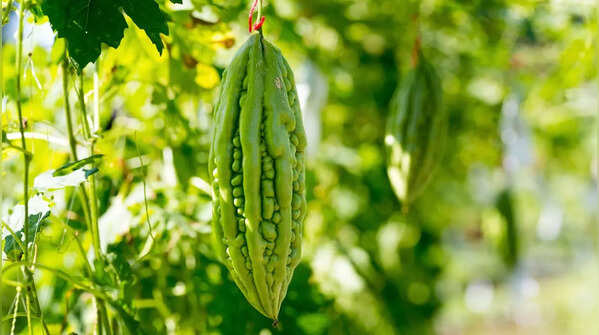
Add a strong trellis or support
This is one of the most important steps. Bitter gourd climbs fast and can grow long vines, so a trellis, bamboo frame, mesh, or rope support should be added early. Vertical support keeps the fruit cleaner, improves air flow, saves space, and makes harvesting much easier. It also helps fruits grow straighter and reduces crowding in the container.
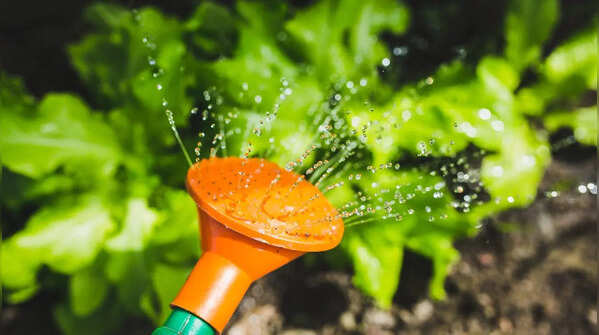
Water and feed regularly
Keep the soil evenly moist, especially during flowering and fruiting. The plant should not dry out completely, but it also should not stay soaked for long periods. A regular feeding routine with compost or a balanced organic fertilizer helps the vine stay productive. Container plants usually need a little more attention because they dry out faster than ground-grown plants.
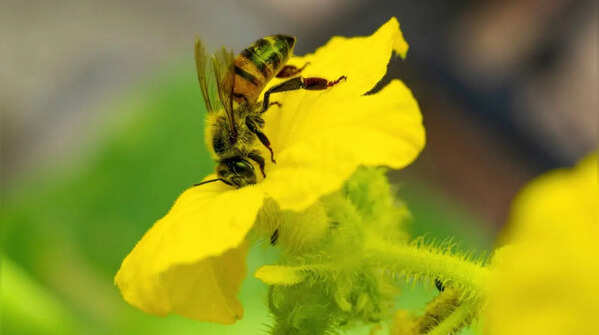
Watch for flowers and pollination
If your plant flowers but does not form fruit, poor pollination may be part of the problem. Bitter gourd has separate male and female flowers - hand pollination can help. Keeping the plant in an open, sunny spot and avoiding harsh sprays during flowering can help bees visit the flowers more often.
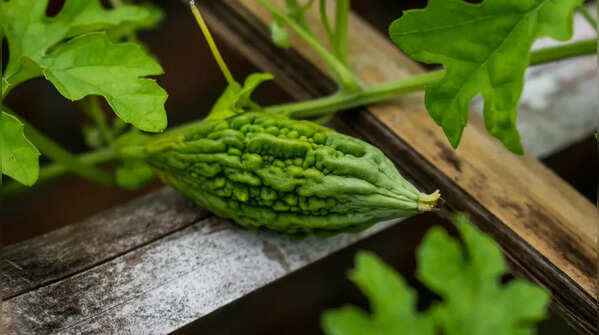
Harvest at the right stage
Pick karela when the fruits are still green, firm and tender. If they stay on the vine too long, they turn more yellow-orange and become less tender. Regular harvesting also encourages the plant to keep producing. In warm conditions, fruits can be ready in roughly seven to eight weeks from sowing, depending on variety and climate.
All Image Credits: Canva
Featured In lifestyle

MORE FROM ETIMES
life & style