
- News
- lifestyle
- home-garden
- How to grow Goddess Durga’s favourite aparajita flowers in your balcony garden
How to grow Goddess Durga’s favourite aparajita flowers in your balcony garden

How to grow Goddess Durga’s favourite aparajita flowers in your balcony garden
Aparajita, also known as butterfly pea (Clitoria ternatea), is a beautiful climbing vine that can do very well in a balcony garden when it gets enough sun, a well-draining pot, and proper support. It is fairly easy to maintain once it settles in, and it rewards you with lovely blue blooms for a long time, making it a perfect and refreshing choice for beginners and gardening enthusiasts alike, with minimal care, while also attracting pollinators and enhancing the overall garden ecosystem. Its vibrant flowers can also be used for herbal teas and natural food colouring, adding both beauty and utility to your space, making your balcony both visually soothing and functionally enriching throughout the seasons.

Choose a bright, sunny spot
Aparajita grows best where it can get plenty of direct sunlight every day. Butterfly pea prefers full sun, and bright light helps it flower well. In a balcony garden, place the pot where it receives strong morning or afternoon sun for most of the day, instead of keeping it in deep shade.

Use the right pot size with drainage holes
Because aparajita is a climber, it needs enough root space and a container that drains well. For pots, a container about 8 to 12 inches deep and 12 to 14 inches wide is a practical starting size. Make sure the pot has drainage holes, because standing water can damage the roots and reduce flowering.
Fill it with light, well-draining soil
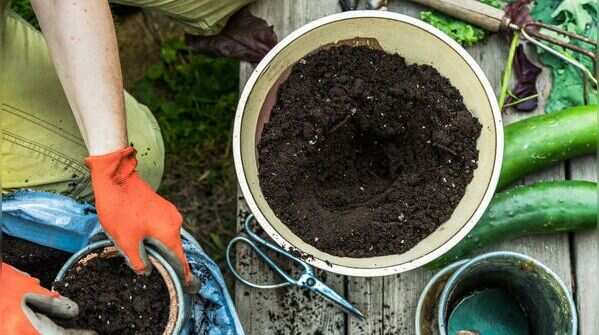
This plant does best in well-drained, fertile soil. Butterfly pea grows well in dry to slightly moist soil and performs best with consistent watering, but not soggy conditions. In a balcony pot, use a loose potting mix and mix in some compost so the soil stays airy and nourishes the plant at the same time.

Start with seeds, and soak them first
Aparajita usually grows easily from seed, but the seeds may germinate better after a little preparation. Soaking them in water for a few hours, or up to overnight, can help soften the seed coat and improve sprouting. You can also gently nick the seed coat before soaking if you want faster germination and stronger early seedling development.

Sow the seeds at the right depth
Plant the seeds about 1 inch deep in the potting mix and keep them spaced apart so the young vines do not crowd each other. After sowing, keep the soil lightly moist until germination. The plant sprouts best in warm conditions, so balcony gardeners usually see better results in warmer weather.

Water carefully, but do not overwater
Aparajita likes moisture, especially when young, but it does not like waterlogged soil. Water steadily, focusing on the soil rather than wetting the leaves too much, because wet foliage can encourage fungal problems. A good rule is to water when the top layer of soil starts drying out, not every day by habit.
Give it a trellis or support
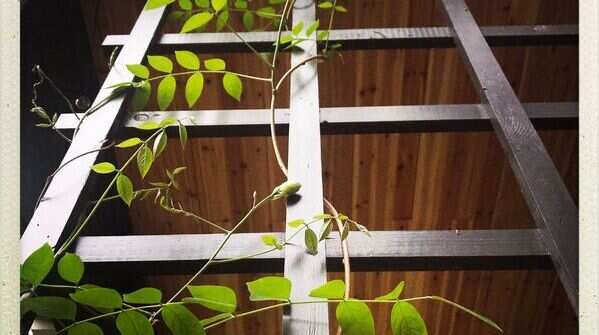
This is a twining vine, so it needs something to climb on. A small trellis, railing, wire frame, or balcony grill works well. Without support, the plant will sprawl and look untidy, but with a simple climbing structure it grows more neatly and often looks much more attractive in a balcony setup.
Prune and deadhead to encourage more blooms
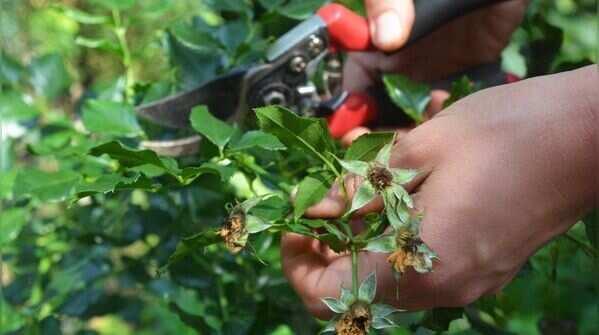
Regular pruning helps aparajita stay compact and bushy instead of becoming too long and weak. Removing spent flowers, also called deadheading, encourages the plant to keep producing more blooms instead of putting energy into seed formation. If the vine becomes too leggy, trim the growing tips lightly to stimulate fresh side growth.
If aphids or other small pests appear, a strong spray of water can often knock them off, and badly infested leaves can be removed. In balcony gardens, this simple approach is often enough before moving to stronger control methods. With sunlight, a well-draining pot, a small support, and regular light pruning aparajita can turn even a small balcony into a charming flowering corner. It is one of those plants that looks delicate but is actually quite rewarding once you understand its basic needs, offering continuous blooms and a refreshing touch of natural beauty to your space.
All Image Credits: Canva
Featured In lifestyle

MORE FROM ETIMES
life & style