
- News
- lifestyle
- home-garden
- 7 beautiful flowers that bloom all year and keep your garden colourful
7 beautiful flowers that bloom all year and keep your garden colourful
7 beautiful flowers that bloom all year and keep your garden colourful
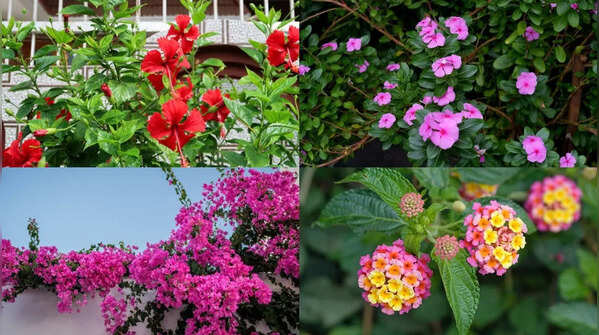
Many gardeners are envious of flowers that bloom repeatedly over the year instead of existing only in one particular season. There are plenty of flowering plants in India that have the capability of blooming almost continuously with adequate amounts of sunlight, water, and pruning. Such flowers are quite popular in balconies, terraces, and entrances to buildings, as well as in small gardens, since they provide colour and freshness outdoors throughout the year. Although the flowering intensity may depend on weather conditions and maintenance of plants, there are specific flowers that are considered to bloom repeatedly in multiple seasons. Here is a list of seven types of commonly grown flowers in India known for repeated blooming.
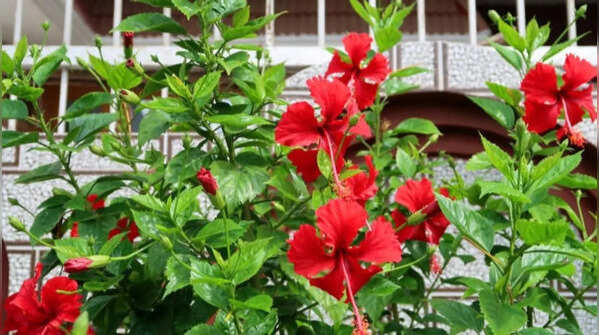
Hibiscus - the colorful flower commonly found in many Indian households
There are various reasons why hibiscus is a commonly grown plant in India, including adaptability to the warm weather and regular blooming throughout the year. Flowers of the plant are large and colorful in red, yellow, pink, orange, and white shades. For a plant to keep flowering throughout the year, it is necessary to provide it with sufficient sunshine, moderate watering, and periodic pruning. Additionally, hibiscus flowers are traditionally used in hair care and religious practices.
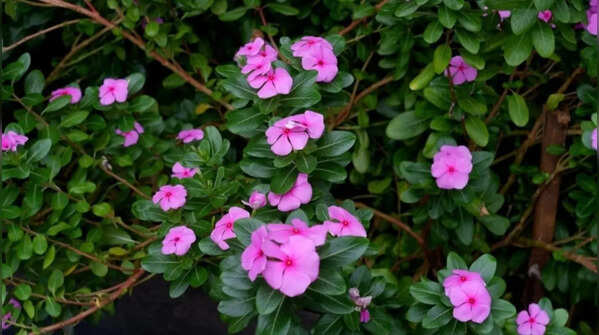
Periwinkle - the flowering plant with low maintenance requirements
There are numerous advantages to periwinkle flowers, which include blooming continuously despite hot summers and dry weather. The plant feels quite comfortable when grown in a pot, garden bed, or even on roadsides, producing flowers consistently through the year. Periwinkle flowers are available in pink, white, purple, and other combinations of colors and have very low maintenance requirements compared to delicate flowers.
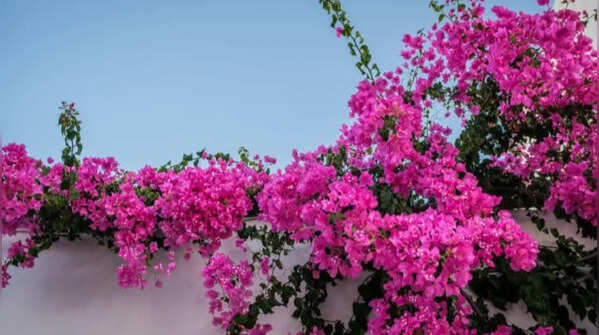
Bougainvillea - the blooming climber with bright bracts
The plant known for beautiful paper-like bracts of a wide range of colors, such as pink, purple, orange, white, and red, is popular for growing along gates, compound walls, terrace railings, balconies, as well as in any other place where it will have access to sunlight. Bougainvillea likes being stressed with controlled watering to promote better blooming and is known for its drought resistance.
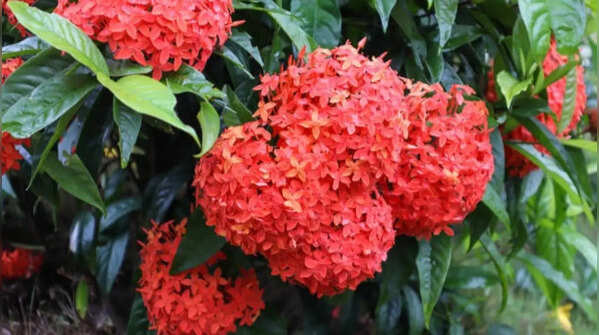
Ixora - flowering shrubs for tropical gardens
There are several reasons why ixora plants are quite popular and grow in abundance in India. First of all, ixoras can be found in gardens, temples, and on balconies. They usually bloom repeatedly throughout the year in warm climate and come in such colors as red, yellow, orange, and pink. Besides, ixoras do well in warm weather and need acid soils with sufficient sunlight.
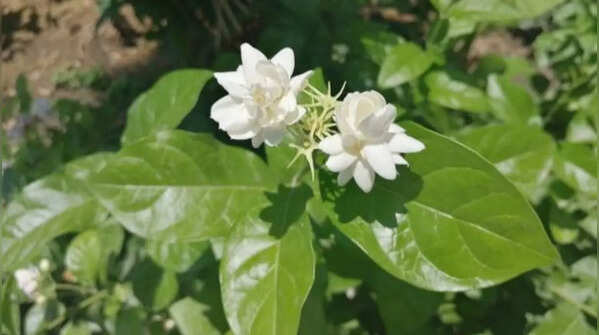
Jasmine - fragrant flowers that bloom continuously
Jasmine plants are not just beautiful flowers, but also plants that are loved due to their pleasant fragrance. Numerous jasmine varieties are known for blooming throughout the year, especially in warm and humid conditions. The flowers grow well on balconies and terraces as well as in outdoor gardens, requiring proper sunlight and pruning. Traditionally, jasmine flowers are used for Indian hair ornaments and religious practices.
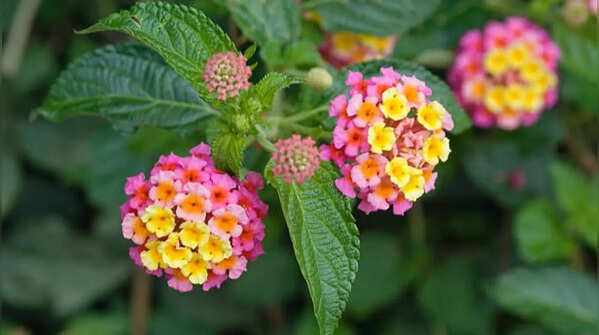
Lantana - the flowering plant with colorful clusters
The next plant that belongs to the category of perennial bloomers in India is lantana, characterised by the ability to grow rather quickly. Due to its tolerance to warm weather, heat, drought, and neglect, it has gained its popularity as a flower that does not require much care and effort to grow successfully. Lantana flowers create colourful clusters of multiple shades in different combinations.
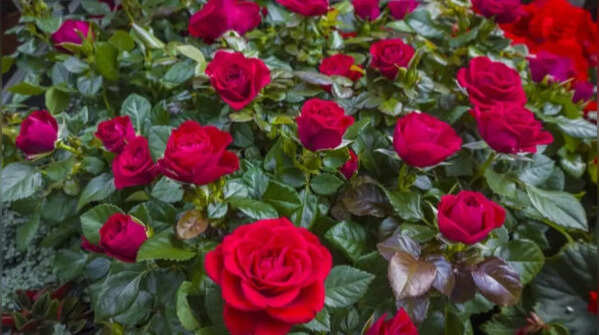
Rose - the famous flower capable of blooming continuously
There are many roses that have the potential of blooming all year round, depending on how well they are taken care of. Pruning, feeding, pest control, and sun exposure are just some of the important factors that will help roses bloom consistently. They come in many different colors, shapes, and sizes, which make them suitable for different uses, whether indoors or outdoors.
Disclaimer:
This article is for general informational and home gardening awareness purposes only. Flowering patterns may vary depending on climate, sunlight exposure, soil quality, watering practices, pruning methods, pest management, and regional environmental conditions. While some plants are known for frequent or year-round blooming in tropical climates, flowering intensity and duration may differ from one location to another. Readers are advised to consult local horticulture experts, nurseries, or gardening professionals for plant-specific care and maintenance guidance.
Featured In lifestyle

MORE FROM ETIMES
life & style