
- News
- lifestyle
- health-fitness
- health-news
- Heart, liver, kidney health: Everyday essentials that might be harming your overall health
Heart, liver, kidney health: Everyday essentials that might be harming your overall health

Everyday essentials that might be harming your overall health
The very cells that keep us alive are also remarkably absorbent, meaning we take in more chemicals from our surroundings than we realize. Studies have found traces of industrial and household substances in human breast milk, urine, and even water systems. While harm depends on dosage, the fact remains: we’re exposed daily.
Because science on this topic is constantly evolving, many experts say it’s better to think about overall habits rather than obsess over a single chemical. Still, some ingredients are well-studied enough to raise concern. Here are a few ones, you should be beware of
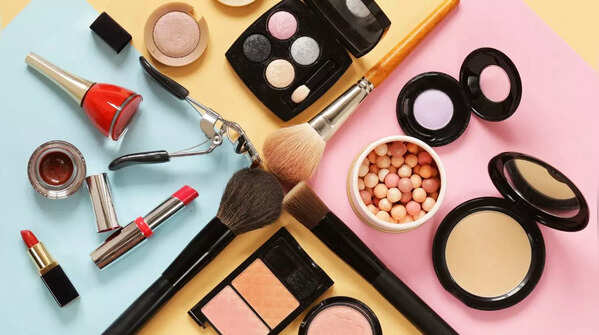
Parabens
Used in makeup, skincare, and even some foods, parabens help products last longer. But long-chain types like propylparaben and butylparaben mimic oestrogen and mighy consequence into hormonal imbalances, reproductive harm, asthma, allergies, obesity and possibly hormone-sensitive cancers later in life explained, Dr. Federica Amati, head nutritionist at Zoe to The Guardian.

Fragrance
That “signature scent” in cosmetics or cleaners often comes with hidden chemicals. Many fragrance blends contain phthalates or volatile compounds that can irritate allergies and disrupt hormones. One ingredient, Lilial, was so widely used it was banned in the UK and EU in 2022.

Formaldehyde and releasers
Preservatives in some nail and hair products contain formaldehyde, a known carcinogen. It can cause respiratory irritation and skin allergies, while formaldehyde-releasing preservatives are associated with adverse skin reactions. Black and Latino women, who use relaxers more often, may face higher risks.

Oxybenzone
A UV filter in certain sunscreens, oxybenzone is not only an endocrine disruptor in humans but also harmful to coral reefs. Growing awareness has led some regions to restrict its use.

Artificial sweeteners
Found in “diet” and “sugar-free” products, sweeteners like sucralose and saccharin can disrupt gut bacteria and impair glucose metabolism. They might also increase risk of diabetes and cardiovascular disease while stimulating appetite unnecessarily.
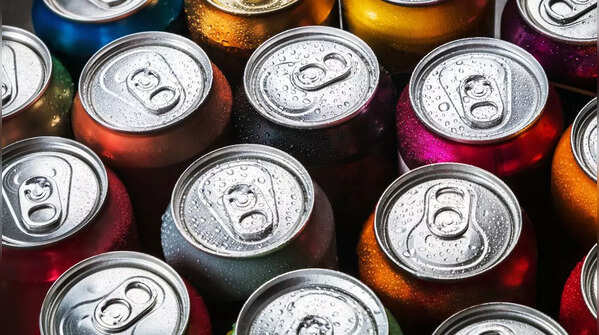
High-fructose corn syrup
Common in sodas, sweets, sauces, and cereals, HFCS is highly inflammatory. “It disrupts the metabolism and contributes to insulin resistance, obesity and type 2 diabetes,” warned nutritionist Rhian Stephenson, founder of Artah.

Emulsifiers
Added to ice cream, bread, chocolate, and plant milks for texture, emulsifiers have been shown in animal studies to promote gut inflammation and glucose intolerance. Some research links them to worsening intestinal conditions such as colitis.

Nitrites
Processed meats like bacon, salami, and hot dogs are often preserved with nitrites. Once heated above 130°C, they can form carcinogenic nitrosamines. The World Health Organization warns that high intake increases colorectal cancer risk, now one of the fastest-rising cancers worldwide.

PFAS
Also called “forever chemicals,” PFAS are found in nonstick pans, waterproof clothing, and stain-resistant fabrics. They persist in the body and environment, raising concerns about long-term health impacts.

Triclosan
An antimicrobial once common in soaps and cleaning products, triclosan is linked to oxidative stress, hormone disruption, and genetic damage. While phased out in some countries, it still appears in consumer products.
Featured In lifestyle

MORE FROM ETIMES
life & style