
- News
- lifestyle
- health-fitness
- diet
- Sea moss: Modern superfood or just another trend? Potential benefits explained
Sea moss: Modern superfood or just another trend? Potential benefits explained
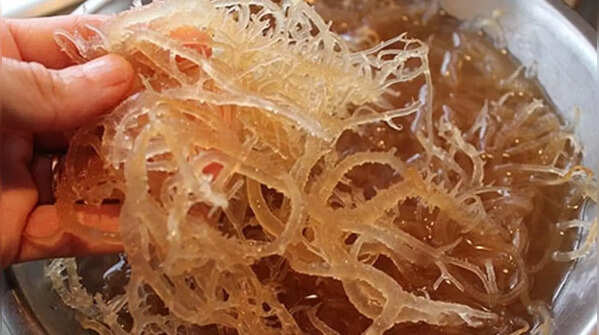
Sea moss: Potential benefits of the new 'superfood'
Sea moss — also known as Irish moss or Chondrus crispus — has jumped from old-school European and Caribbean kitchens straight into the spotlight of global wellness trends. It used to be something you’d find in porridge or home remedies, but now you see it everywhere: Instagram, TikTok, celebrity endorsements, and lining the shelves at supplement stores. Fans say it does just about everything: boosts immunity, helps your thyroid, smooths digestion, gives your skin a glow, and even supports weight loss.
But let’s be real here: how much of this is actually backed by science, and how much is just hype?
Sea moss’s popularity has exploded right along with the whole movement toward natural and plant-based eating. It’s true, the nutritional stats are interesting, but most experts agree: the research in humans just isn’t there yet. A lot of the supposed benefits are more theory than fact. So if you’re wondering whether to add sea moss to your diet, it’s smart to check what scientists really know, and where the claims get ahead of the evidence.
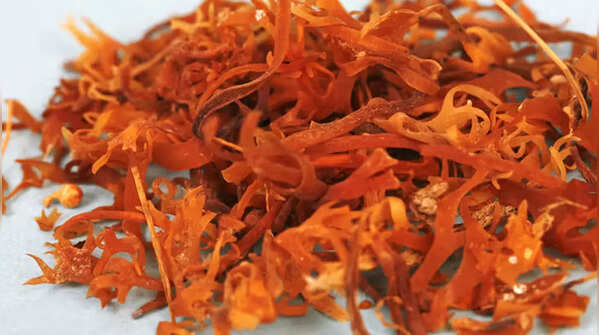
What exactly is sea moss?
It’s a red algae that grows on rocky shores and in the ocean. In its raw or gel form, it’s low in calories, but it packs in minerals and micronutrients — stuff like calcium, iron, magnesium, phosphorus, and trace amounts of zinc and copper. It’s also a solid source of iodine, which your thyroid absolutely needs to function. What’s more? Sea moss and other seaweeds are actually packed with beneficial antioxidants like flavonoids and polyphenols, which help protect your cells from damage.
Now, let’s look at some potential health benefits of the modern-day superfood.

Weight loss
Some seaweeds might help with weight loss. There was a 12-week study where adults took 1,000 milligrams of red seaweed extract a day. The group taking the extract actually lost more body fat and weight than the placebo group. Another study found that fucoxanthin — a compound in many seaweeds — could help break down fat. However, here’s the catch: most of this research looks at specific compounds or types of seaweed, not sea moss itself. So, while it sounds promising, it’s not a magic fix.

Thyroid health
Iodine matters for your thyroid — it needs it to make hormones that keep your metabolism on track. If you don’t get enough, things can go sideways. Sea moss and other sea algae are natural sources of iodine, so eating them could help prevent a deficiency.

Gut health
Sea moss might work as a prebiotic compound, feeding the good bacteria in your gut. In fact, one animal study showed that the fiber and oligosaccharides (like carrageenan) in the sea moss supported healthy gut bacteria. But again, this was in animals, not people. We need more human studies to know for sure.
Immune support
Your gut and your immune system are connected. Diets high in fiber and prebiotics — like those found in sea moss — could help keep your immune system strong. In one study, rats that ate sea moss had more immune antibodies. It’s interesting, but we’re still waiting on solid human research.

Might help with cancer
Some algae compounds might help fight certain cancers. For example, fucoxanthin (found in some algae) has shown promise against colorectal cancer markers. But the studies usually use high doses of extracts, not whole sea moss. We can’t say for sure if eating sea moss does the same thing.

Brain health
Antioxidants in algae might protect against neurodegenerative diseases. One study found that a sea moss extract helped protect roundworms from Parkinson’s disease markers. But that’s worms, not humans. More research is needed before drawing any big conclusions.

Muscle and energy recovery
Sea moss could help your body recover from exercise or reduce fatigue. In one study, adults over 40 with muscle aches took certain types of sea moss and reported less exhaustion and pain. Researchers think this might be thanks to the amino acids and proteins in the plant.
Disclaimer: The information in this article is provided for informational and educational purposes only and is not intended as professional medical advice, diagnosis, or treatment. Always consult a qualified healthcare professional before making changes to your diet, taking new supplements, or addressing specific health concerns. Reliance on any information in this story is at your own risk.
Featured In lifestyle

MORE FROM ETIMES
life & style