
Why rotis turn soggy in casserole & 5 tips to keep them moisture-free
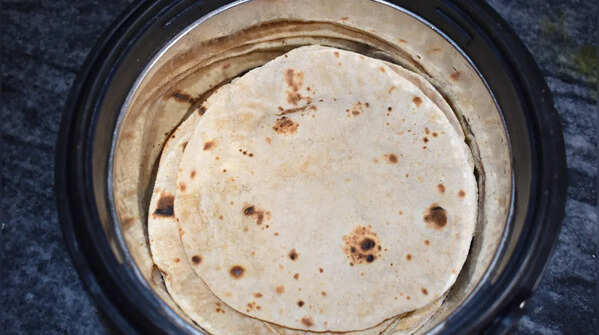
The science behind rotis turning soggy in casserole
While we all love freshly made, soft and warm puffed rotis, it is practically impossible to have them in every meal amidst a busy work life. And that's when casserole comes to the rescue and keeps them warm and soft for longer. But, storing chapatis in a casserole often makes them soggy (especially top and bottom ones) because of the moisture, and no one wants to serve or eat that. And let us accept it, it is a daily struggle and wastage that many homes witness. But fret not, today we will explain why it happens and how you can keep them completely moisture-free.
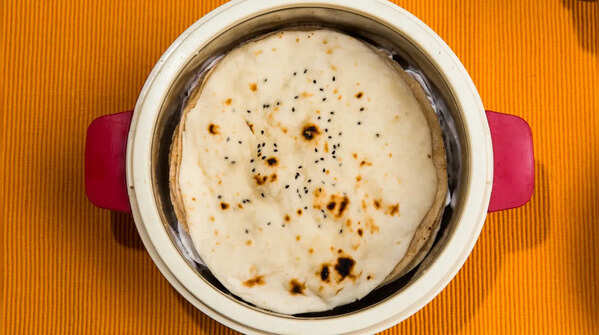
Why top & bottom rotis turn soggy
According to experts, freshly made rotis release heat and steam. Once you close the casserole lid, this moisture has nowhere to escape and settles back onto the rotis, causing the uppermost and bottom rotis to turn soggy. Also, placing very hot rotis in the casserole creates condensation, especially on the top and bottom layers. It is also found that most of the casseroles are airtight, which increases humidity inside and thus impacts the texture of rotis. We often use a cloth piece to wrap rotis, and if the cloth is not used properly, it can trap moisture instead of absorbing it effectively, making the rotis soggy.
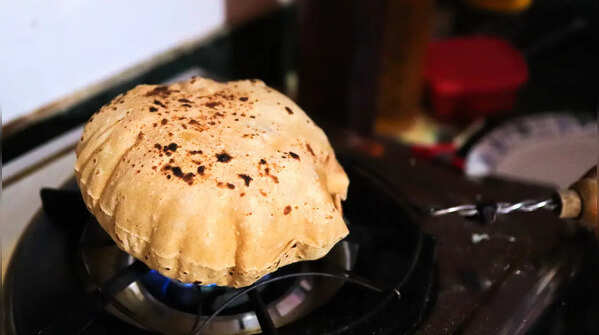
Tip 1: Let the stream release
After puffing the roti, we often put it right in the casserole and lock the lid. And this is where we go wrong. We forget that the heat of the roti creates steam, which leads to soggy rotis. Hence, it is suggested to place the roti on a mesh sieve or wire rack, let them cool down a bit and then store them in a casserole. This is one of the most crucial steps which people often forget and even after following it all, fail at preventing the rotis from turning soggy.
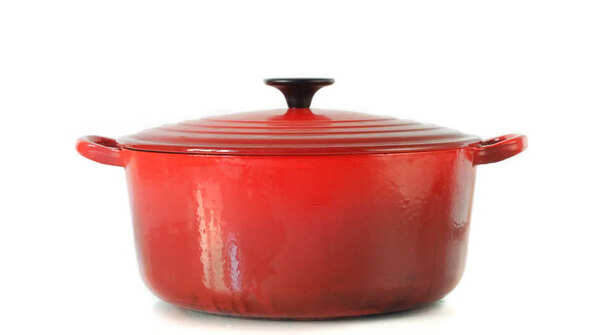
Tip 2: Use a bigger casserole
Experts also suggest that using a bigger casserole gives the rotis breathing space, allowing the steam to spread out and settle around the sides of the casserole instead of making the rotis wet. According to experts, in smaller casseroles, rotis are tightly packed and rotis release heat and create condensation, which settles on the top and bottom layers, making them wet. When you shift to a larger casserole, it gives enough room for heat to escape gradually, and keeps rotis soft yet dry.
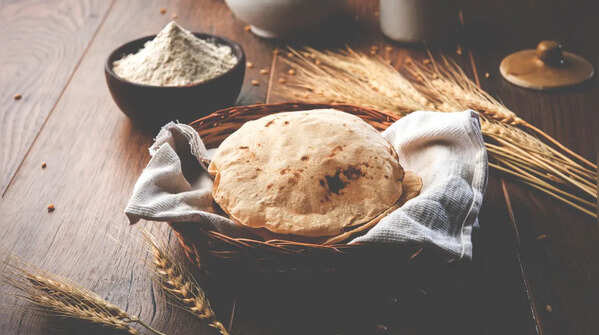
Tip 3: Use a cotton cloth
While storing rotis in a casserole, place a cotton cloth at the bottom and cover the rotis with another cloth. This helps trap the steam and keep it away from the rotis, so they stay dry and moisture-free for longer. For the unversed, cotton is a highly absorbent and breathable fabric, so when you store hot rotis in it, it soaks up this extra moisture instead of letting it collect on the surface of the casserole. At the same time, the cloth allows air circulation, preventing humidity from building up inside the container. This balance ensures that rotis stay soft from inside but dry on the surface. Also, the practice of storing rotis in cloth is a eco-friendly and sustainable approach. It’s washable, reusable, and reduces kitchen waste, unlike disposable paper or foil.
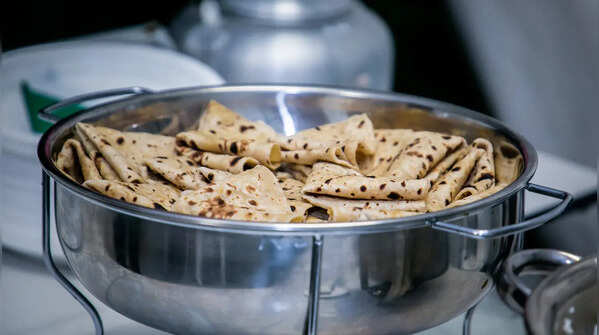
Tip 4: Use a plate or a stand
Another smart tip is to place a smaller plate or stand inside the casserole, wrap your rotis in cloth and place them on top of the plate or stand. This helps keep them elevated and allows moisture to collect on the base of casserole, not on your rotis.
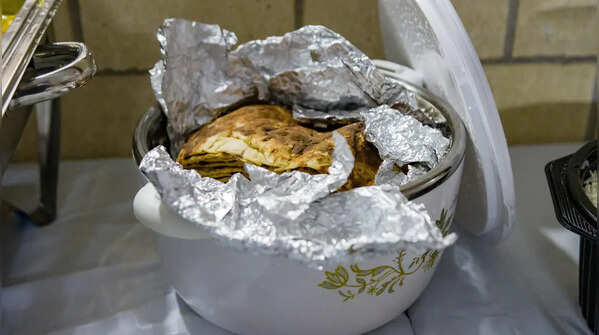
Tip 5: Use butter paper or foil
Another way to keep them moisture-free is by wrapping them in butter paper or aluminium foil. Place a thick layer of either material at the bottom of the casserole and follow the same rule on top before closing the lid.
Featured In Food

MORE FROM ETIMES
life & style