
Why atta dough turns black in the refrigerator and 5 smart tips to store dough right in summer
The science behind discoloration of atta dough
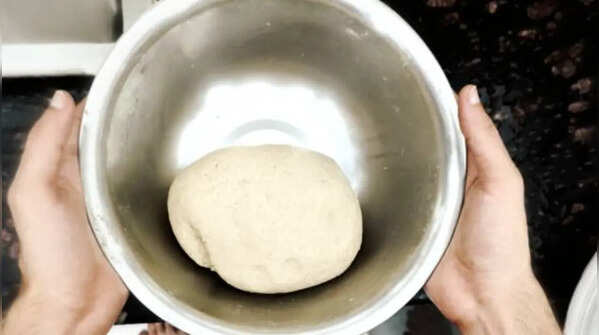
Roti or chapati is a staple in many Indian households and it is very common practice to knead dough in advance or in extra amounts to save time and energy. The extra dough is generally stored in the refrigerator, particularly in summer. Over time, it often turns black or grey. The question is: Why does this colour change happen, is it safe to use, and how can you store dough correctly, especially in summer? Scroll down to find out.
Why does the atta dough turn black
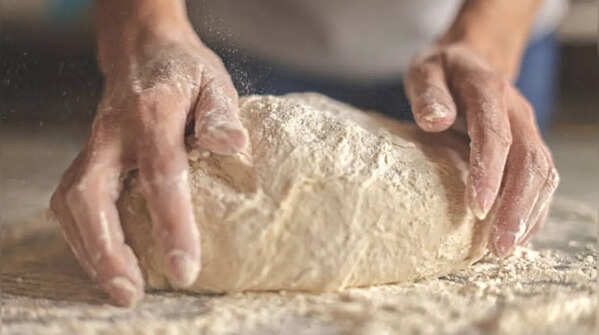
The primary reason behind this discoloration is oxidation. According to experts, when you knead the wheat flour with water, it is exposed to air and the oxygen reacts with compounds in the flour, leading to a darker color. It is also said that discoloration happens because of natural enzymes in wheat flour. According to experts, these enzymes remain active even at cooler temperatures and continue to react over time, impacting the colour and texture of dough even in the refrigerator. Also, if the dough contains excessive water, it becomes more prone to quicker spoilage and discoloration. It is proven that excess moisture makes the enzymes extra active and they react faster. It is also said that the discoloration happens because of excessive adulteration in the flour and hence, it is very important to be careful while sourcing the flour. It is also said that this happens with packaged flour, which is chemically treated and the oxidation happens faster with such flour and leads to discoloration.
What's more?
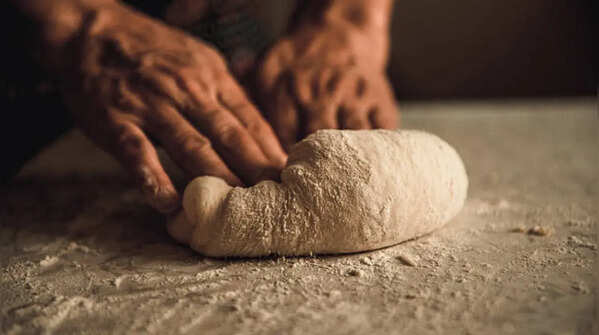
According to experts, fermentation is also a reason for discoloration. During summer months, even when refrigerated, dough can begin to ferment after several hours, causing a mild sour smell along with a darker appearance. And if the dough is stored in an unhygienic container, it can accelerate the darkening process and may develop an unpleasant odor or a sticky, slimy texture. It is also said that if the flour is too old, it often reacts faster and can lead to oxidation and result in discoloration.

How to store the dough right: Apply a thin layer of oil
Before storing the dough in the fridge, always apply a thin layer of oil over it. Oil creates a protective layer, reduces contact with air and slows down oxidation.
Use air-tight container
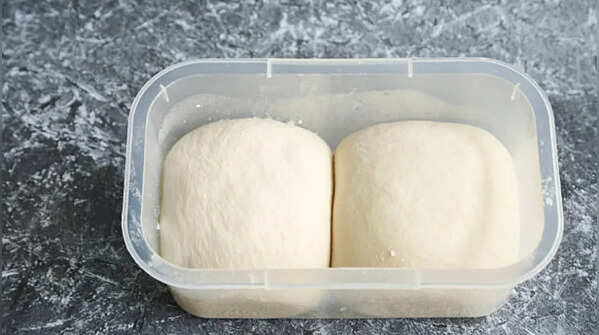
It is also suggested to store the dough in an airtight container. This helps avoid excessive exposure to air and moisture and keeps the dough intact and soft. Also, air-tight container keeps the dough moist and soft, which makes it easier to use afterwards.
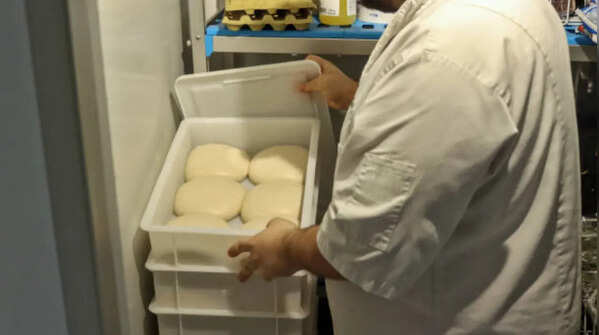
Refrigerate immediately
During summer months, dough ferments faster due to excessive heat. Hence, if the dough is not needed immediately, it is best to refrigerate it and take it out as needed.
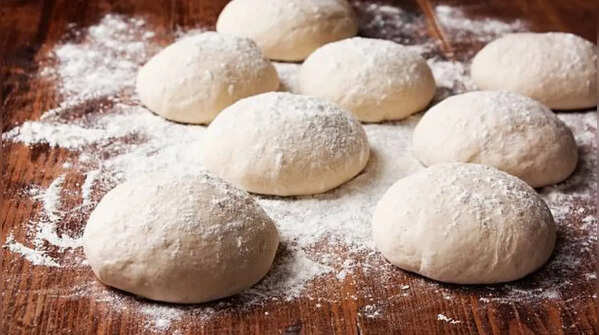
Store in small portions
This is a smart trick to avoid spoilage. All you need to do is divide the dough into smaller portions before storing. This helps reduce repeated exposure to air and temperature changes for the dough.
Use the dough within 24 hours
We all knead extra dough to save energy and time, but not at the cost of health, right? Make sure to use the refrigerated dough within 12-24 hours, otherwise, dispose of it safely.
Featured In Food

MORE FROM ETIMES
life & style