
PM Narendra Modi highlights 'Modi Tea Stall' in Puducherry: How chai holds India's heart
What makes chai or tea a special drink for every Indian
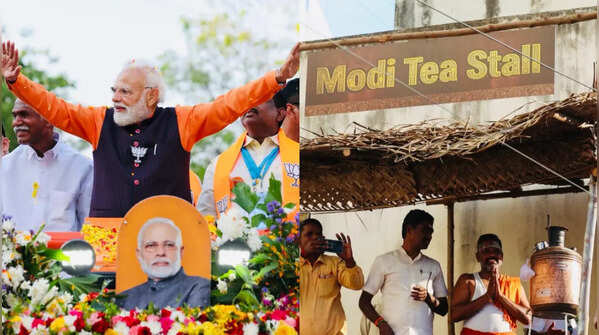
"Aap jante ho na main bhi chaiwala hoon," these lines of Prime Minister Narendra Modi to a bunch of women at the Manohari Tea Estate, Dibrugarh, Assam during his recent visit speak volumes of the depth this simple drink holds among the people of this country. Chai or tea is not a drink but a celebration that begins with sunrise and lingers till late at night. PM Modi once again proved the depth of connection with his humble drink as he posted a carousel post on his official Instagram on Friday evening, summarizing his Puducherry visit. The first image featured a colourful tea stall-Modi Tea Stall—with a bunch of men welcoming the PM with a folded-hand namaskar. This humble drink is spotted everywhere—from business discussions to political campaigns, from wedding meetings to funeral gatherings—sometimes in paper cups, kulhads, or fancy cups and saucers. The question here is: What makes this drink so special? Let us understand how chai holds India's heart.

Cup of comfort
Let us accept it: at its heart, chai is a comfort drink, which combines the warmth of a freshly brewed cup with the creamy texture of milk and the subtle kick of spices, evoking feelings of safety and familiarity. For some it is the wake-up call for the day and for others, it is synonymous with home or a brief respite in the afternoon. As a drink, it not only quenches thirst but also nourishes the soul. When we call it a cup of comfort it all means that it helps keep the human mind and body calm amidst all chaos of life. Every sip of this drink relaxes the nerves of human mind and generates as a sense relaxation before the madness of day begins or even after a chaotic day at work.
Melange of flavours
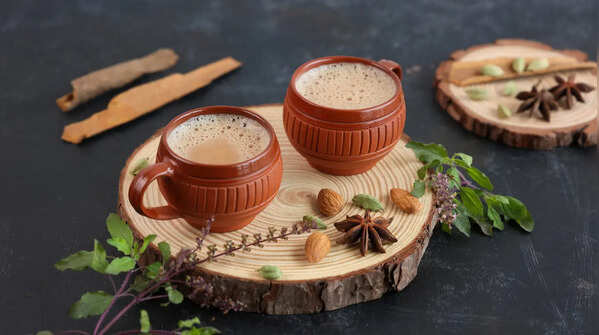
One of chai's best qualities is that while it is complex, it is equally harmonious. Sweet, spicy, creamy, and aromatic, it engages all the senses at once. Traditionally, chai includes cardamom, cinnamon, cloves, and ginger which provide warmth. Then comes sugar which adds a touch of sweetness, balancing the spices, while milk contributes a creamy, soothing texture.

Adaptabilty and versatility
Some prefer more milk and fewer tea leaves and vice versa. Some love it without sugar, while others prefer it loaded with sugar. Whatever the choice, this humble drink adapts to your taste and has become quite versatile over the years. In recent years, iced chai, green tea chai, and even bubble tea-inspired chai drinks have gained popularity, catering to modern palates and generations.
Cultural connect
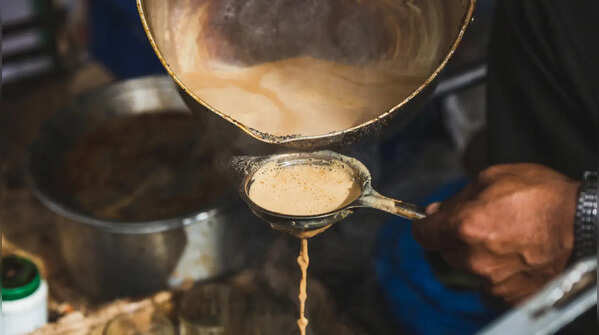
Chai as a drink is deeply embedded in India’s social and cultural fabric. It brings people together over shared conversations at home, shops, streets, cafes, and even at bustling roadside stalls—that is the magic no other drink can offer. The street stalls also known as chaiwalas or chai ka thela, are the melting pot of political and social discussions, where ideas and stories are exchanged.
Health benefits
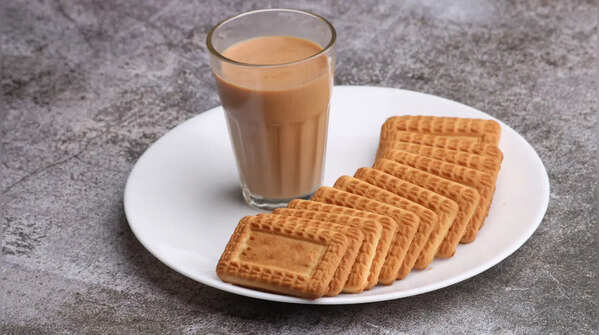
While we often talk about its taste and aroma, chai is also associated with health benefits. Traditional Indian spices like ginger, cardamom, and cinnamon are known for their digestive and antioxidant properties. From treating a sore throat to chest congestion, this desi drink often comes as a saviour during seasonal changes.

An energy booster
Ask those who can't begin their day without a mild caffeine boost of chai. It is not just the ideal beginning to the day but also an afternoon pick-me-up. The combination of tea leaves and spices energizes the body while calming the mind, striking a balance between alertness and relaxation.

Emotional connect
Many love stories have been built around chai shops and many breakups have happened there too. It is not just a drink; it is a companion through quiet mornings, long conversations, or late-night reflections. It evokes nostalgia, invokes warmth, and offers a sense of belonging. In a nutshell, chai is the bridge that connects generations, a thread that ties together memories, traditions, and communities. It is pure love, which is not only about flavor but also about experience—shared, celebrated, and cherished.
Images Courtesy: istock
Featured In Food

MORE FROM ETIMES
life & style