
PM Modi urges Indian to reduce cooking oil consumption by 10%: 8 smart kitchen tips for Indian homes
How to reduce cooking oil consumption daily
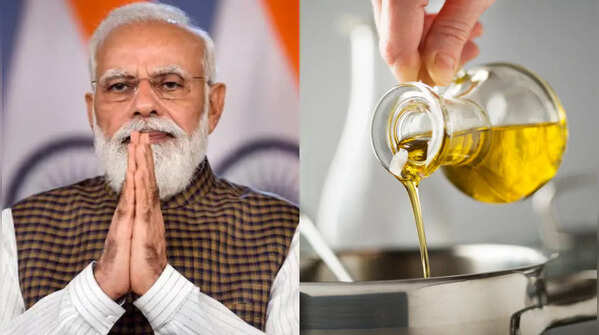
Cooking oil is essential in Indian kitchens, but excessive consumption can quietly add unnecessary calories and unhealthy fats to everyday meals. Addressing a function in Hyderabad, Prime Minister Narendra Modi urged Indian households to reduce cooking oil consumption by 10%. While the remarks came against the backdrop of record-high fuel prices in many countries and the need to conserve foreign exchange amid the West Asia crisis, he also mentioned how reducing cooking oil consumption by 10% allows Indians to show patriotism while making their bodies healthier. He said, "Isse desh seva by hogi aur deh seva bhi hogi". According to experts, reducing oil intake does not mean compromising on taste. By applying smart cooking tips one can not only reduce oil intake but also make meals lighter, healthier, and equally satisfying. Here are eight simple and practical ways to reduce cooking oil consumption at home.
Choose the right cookware
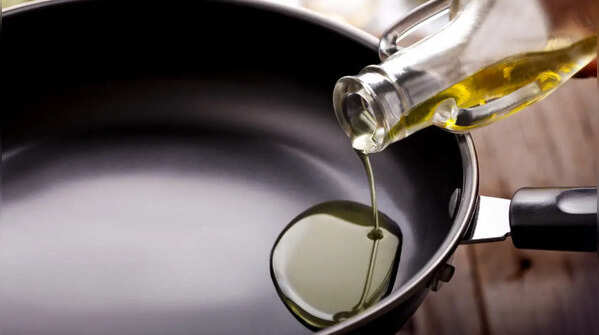
This is one of the easiest ways to cut down on oil: invest in good-quality cookware. According to experts, non-stick pans, cast-iron skillets, and ceramic-coated cookware require far less oil compared to traditional utensils. Switching to these cookwares can easily cut down daily oil intake. These cookware also add nutrition to the food. For instance, cooking dishes in iron cookware adds improve iron content of the food and benefits the human body. Using the right cookware makes a lot of difference in reducing the cooking time and quality of food.
Measure oil instead of pouring freely
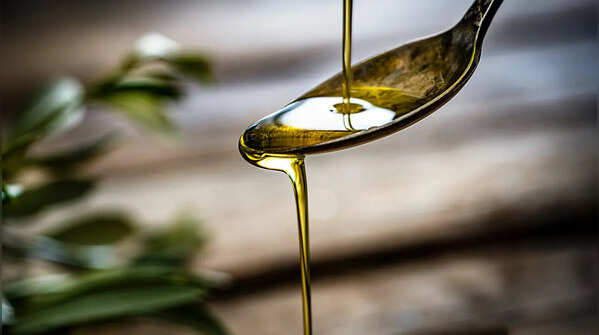
This is one of the most common habits practiced by cooks at home. A simple switch to measuring spoons can significantly reduce consumption and more importantly it makes the food lighter and good for the gut and overall body.
Explore healthier cooking methods
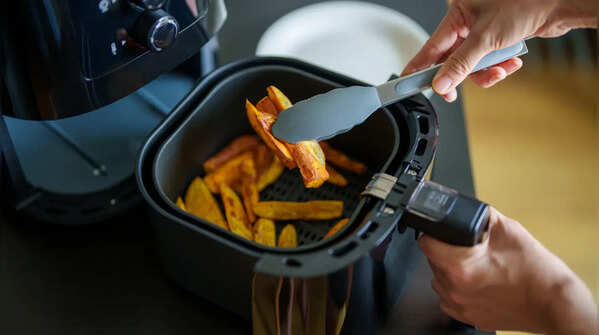
Thanks to science and technology, we are blessed with many cooking techniques that can help reduce oil consumption. Instead of deep frying, try grilling, roasting, steaming, baking, or air-frying. These methods mostly give good results without compromising on taste and texture. Also, boiling is another method where one can easily skip oil and make the food easily digestible and at the same time retain all the nutrients. Even grilling is a smart choice for cooking, as it requires zero oil and keeps the nutrients intact.
Use water or stock for sautéing
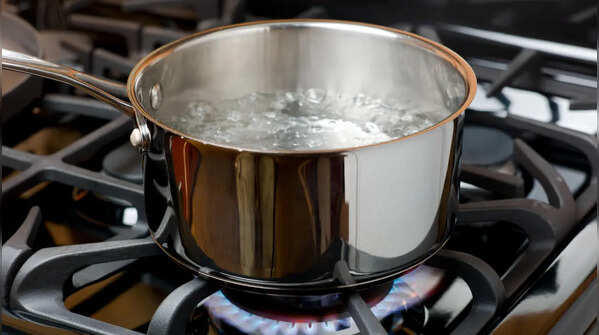
Indian dishes often begin with a good portion of oil in which onions, ginger, garlic, and tomatoes are sauteed. However, ingredients can also be cooked using a few drops of oil, followed by a small splashes of water, vegetable stock, or curd. This technique helps avoid the sticking of veggies to the pan and also softens and cooks ingredients effectively without requiring excessive oil. This is also a healthy method of cooking as food cooked in water doesn't lose any nutritional content and is said to be healthy as well. It also helps retain the natural taste and aroma of the dish.
Enhance flavour with herbs and spices
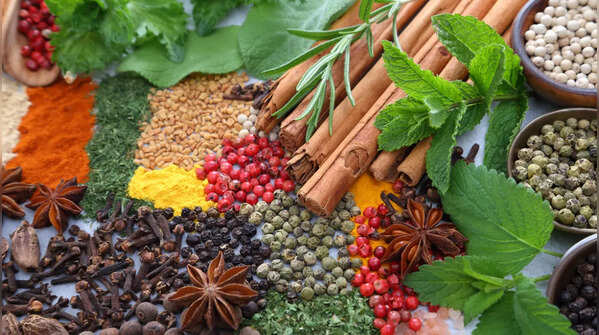
We often think that using excess oil makes food richer and tastier. Instead, flavour can be built using herbs, spices, and aromatics as well. Start using a lot of garlic, ginger, curry leaves, mustard seeds, lemon juice, coriander, mint, black pepper, and roasted spices in your savoury dishes and you will notice a huge difference in the taste and texture of the dish.
Reduce deep-fried foods
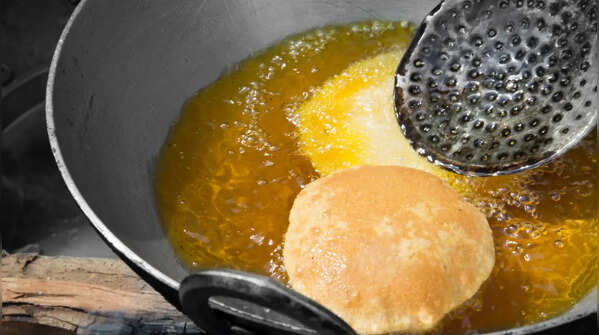
We all know that deep-fried snacks are delicious but tend to absorb large quantities of oil. Hence, by limiting fried foods one can make a noticeable difference to overall consumption. The same dishes can be air-fried with a few drops of oil or one can bake dishes like samosa, pakora, and cutlet to satisfy cravings while being much lighter and healthier. Deep fried food is also very heavy on the gut and should be avoided to stay active and feel light.
Remove excess oil before serving
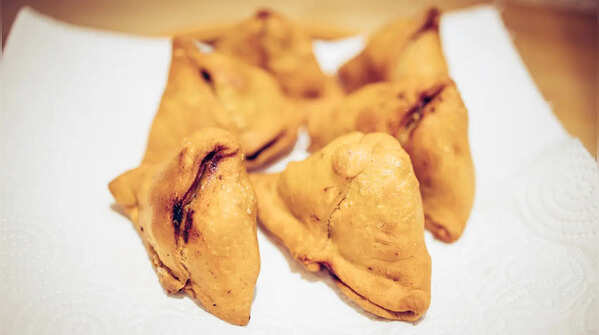
This is a slightly cumbersome tip, but if done right, it is a healthy practice. All you need to do is, drain extra oil after cooking. Fried foods can be placed on tissue paper to absorb excess grease before serving. Similarly, curries and gravies with visible oil floating on top can be lightly skimmed. According to experts, this small effort helps reduce unnecessary fat intake and the same oil can be used for tadka, if needed. It is also said that by doing so, you can make the food healthier and lighter on the gut.
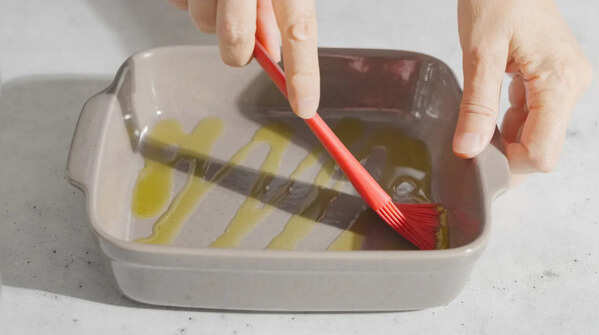
Switch to oil sprays or brushes
When making paratha or cheela, we often use a spoon for greasing the dish. Experts suggest switching to oil spray bottle or silicone brushes, as they help distribute oil evenly across the pan or food surface and use 60-70% less oil. This practice no just reduces our oil consumption, it also improves health and overall digestive system as well.
Featured In Food

MORE FROM ETIMES
life & style