
How to pick the best mango for pickle: Easy tips for perfect homemade achar
How to pick the best mango for pickle: Easy tips for perfect homemade achar
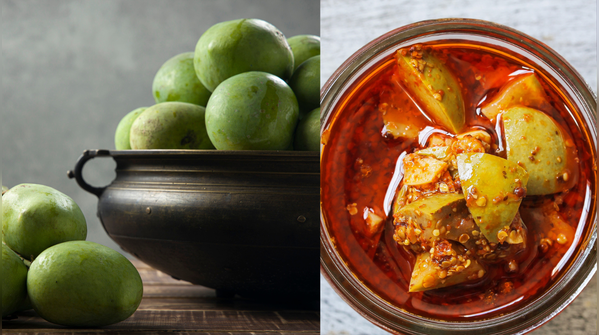
A good mango pickle begins long before the spices go in. It starts with the fruit itself. Choose the wrong mango and no amount of masala can fully fix it. Choose the right one, and the achar practically builds its own character: sharp, sturdy, fragrant and made to last. The best mango for pickle is never the prettiest one on the stall. It is the one that feels firm, looks raw, and promises sourness rather than sweetness. That is the secret most home cooks learn the hard way. Pickling is not about ripe mangoes turned indulgent. It is about raw mangoes with enough body to survive salt, spice, oil and time. Scroll down to read more...
Start with the variety
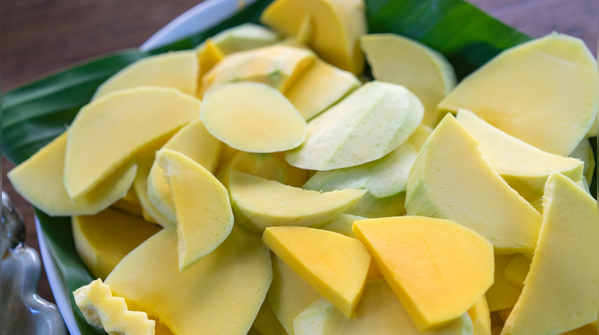
Not every mango is made for pickle. Some are too fibrous, some too sweet, and some collapse into mush the moment they touch salt. For achar, traditional sour varieties are usually the safest bet. Look for mangoes that are known for their tartness, firm flesh and low sweetness. In many Indian kitchens, local raw mango varieties are preferred because they hold their shape and soak up seasoning beautifully.
The variety matters because pickle is a slow conversation between fruit and spices. A mango that begins bland will stay bland. A mango with natural sharpness, on the other hand, deepens into something richer as it cures.
Check the skin and shape
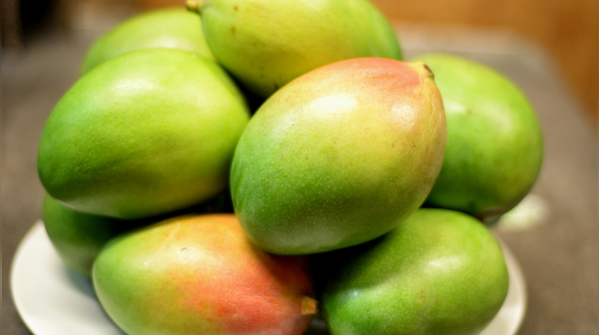
A good pickle mango usually has tight, smooth skin and a clean shape. Ir should look fresh, with no wrinkles, soft patches or bruises. Avoid mangoes with cuts or black spots because even tiny damage can shorten the life of your pickle.
Shape matters too. Medium-sized mangoes are often easier to cut and pickle evenly. Very large mangoes can sometimes be watery or uneven inside. Smaller, sturdy mangoes tend to be more concentrated in flavour. That makes them ideal for achar, where every piece needs to carry its own punch.
Feel the firmness
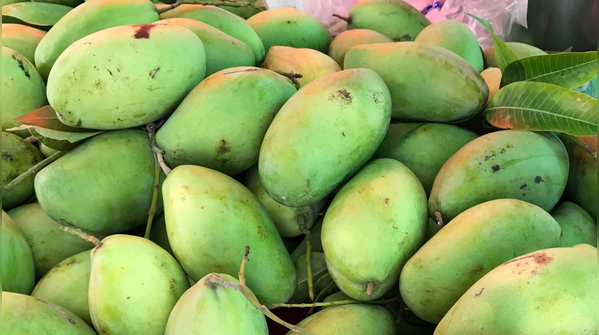
This is one of the simplest and most reliable tests. Press the mango gently. It should feel hard or very firm, not yielding. A pickle mango must have enough structure to withstand cutting and curing. If it bends under your fingers, it is already too soft.
Raw mangoes for pickle should feel almost stubborn. That firmness is what allows them to absorb salt and spices while still keeping a bite. Once the achar matures, you want pieces that remain distinct, not a pulp hidden under masala.
Look for the right sourness
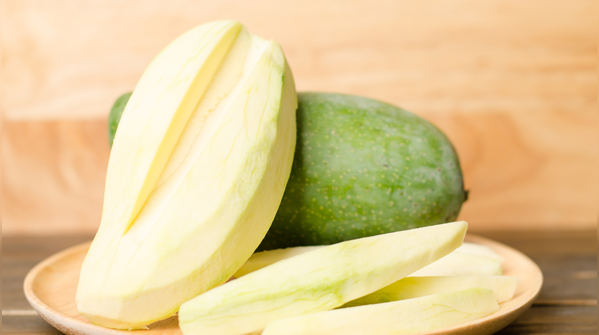
Taste matters more than appearance. If possible, ask the seller to cut one mango, or buy from a vendor who knows which stock is best for pickle. The ideal mango should be pleasantly sour, sharp on the tongue, and not sweet at all. Some mangoes look green and raw but have already started developing a mild sweetness. Those are better for salads or chutney than for pickle.
Sour mangoes give achar its backbone. They balance the oil, cut through the chillies, and keep the pickle lively rather than flat.
Avoid watery mangoes
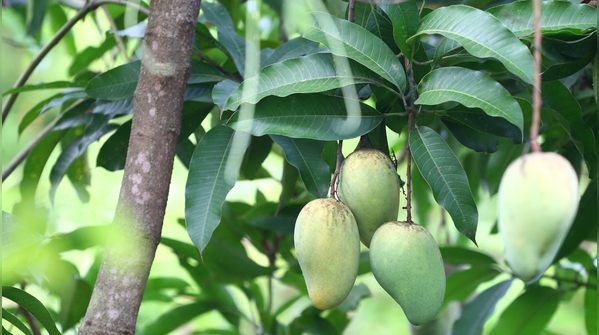
A pickle mango should not be overly juicy. Too much water can spoil the texture and interfere with fermentation or curing. When you cut the fruit, the flesh should be dense and crisp, not spongy or dripping.
This is especially important for homemade achar, where moisture can be the difference between a pickle that lasts and one that turns limp too soon. Dryness, in this case, is a virtue.
Buy at the right stage
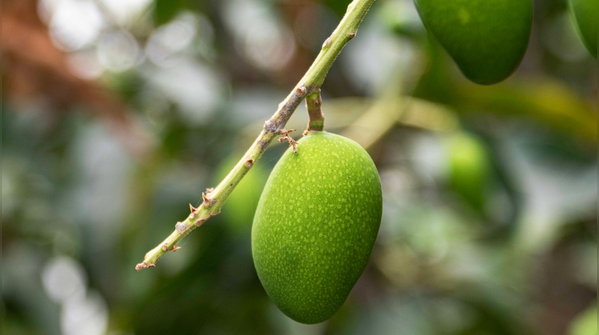
Timing is everything. For pickle, mangoes should be fully raw but mature enough to have developed a strong flavour. If they are too tender, they may break down too quickly. If they are too mature, they can lose their sour edge.
This balance is what gives traditional mango pickle its signature texture — firm enough to stay intact for months, yet porous enough to soak in salt, mustard, chilli and oil. The right mango does not just preserve better; it also develops a deeper, more layered flavour as the pickle ages in the jar.
In many Indian households, experienced pickle makers often test mangoes by touch and aroma rather than appearance alone. A good pickle mango should feel hard, dense and heavy for its size, with a sharp tangy smell when cut open. The seed inside should still be soft and underdeveloped, which helps the pieces absorb spices and oil more evenly over time.
The best season to buy mangoes for pickle is usually early in the mango season, when raw fruit is abundant and still firm. That is when sellers often have the best stock for achar-making.

Trust your nose and hands
A good mango smells fresh, green and clean. It should not have a fermented smell, a sugary scent or any sign of rot. Hold it, inspect it, compare it. Pickling rewards attention. The mango you choose will decide not just the taste of the achar, but its texture, shelf life and final mood.
In the end, the best mango for pickle is the one that looks raw, feels hard, tastes sharply sour and comes home ready for spice. That is where good achar begins: not in the masala jar, but in the basket of mangoes you choose with care.
Featured In Food

MORE FROM ETIMES
life & style