
From samosas to dhokla: 10 common Indian snacks and how many calories they contain
From samosas to dhokla: 10 common Indian snacks and how many calories they contain
Indian snacks have a charm that is hard to resist. They arrive in familiar forms, yet each carries its own regional identity, cooking style and mood. A samosa is not just a pastry; it is the language of tea-time. A plate of dhokla is not just steamed cake; it is softness, tang and comfort in one bite. Some of these snacks are fried and rich, others are steamed or lightly tempered, but nearly all of them are deeply woven into everyday eating across homes, streets and canteens. Their calorie counts can vary widely depending on size, oil, stuffing and preparation method, but a rough estimate still helps us understand what we are actually eating. Here are 10 common Indian snacks and the calories they typically contain.
Samosa
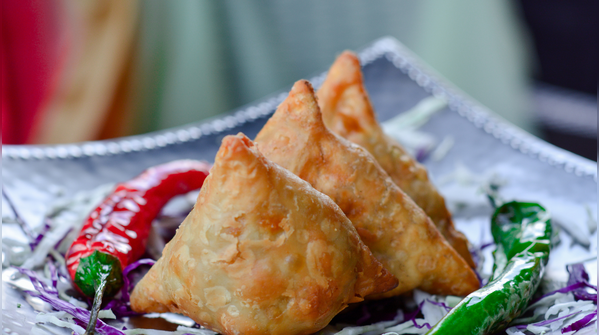
The samosa is perhaps the most recognisable Indian snack of all. Crisp on the outside and stuffed with spiced potato or sometimes meat, it is usually deep-fried, which pushes up its calorie count. A medium potato samosa typically contains around 250 to 300 calories. Bigger bakery-style versions can go even higher, especially if they are heavy on oil or served with a rich chutney. Its appeal lies in texture and spice, but it is also one of the more calorie-dense snacks on the list.
Dhokla
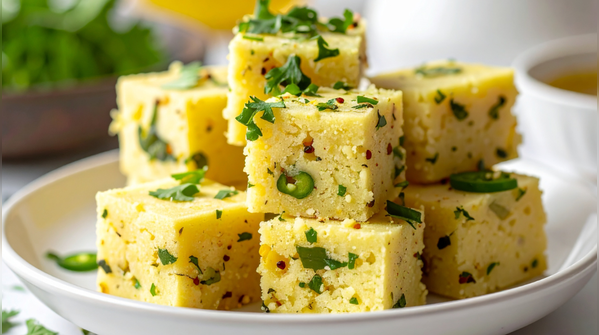
Light, fluffy and mildly tangy, dhokla is one of the few Indian snacks that feels indulgent without being overly heavy. Made from fermented batter and steamed, it is often considered a better everyday choice than fried snacks. A serving of 2 to 3 pieces of dhokla usually contains around 150 to 180 calories. The exact number depends on the tempering, oil and size of the pieces. Even so, dhokla remains one of the more balanced snack options when eaten in moderation.
Kachori
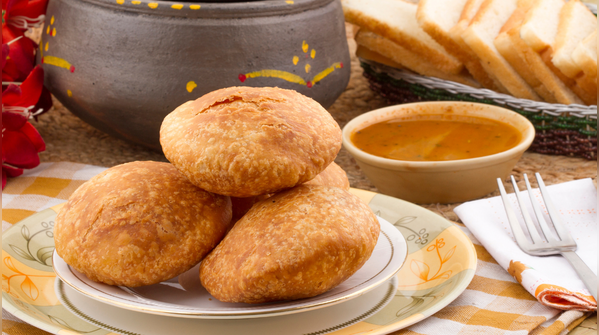
Kachori is another beloved deep-fried snack, usually filled with spiced lentils, onions or peas. It is richer than it looks, with a flaky shell that absorbs oil during frying. One medium kachori generally contains about 180 to 250 calories. If it is served with potato curry, chutney or extra oil, the total rises quickly. Kachori is satisfying and flavourful, but it is definitely not a light snack.
Pakora
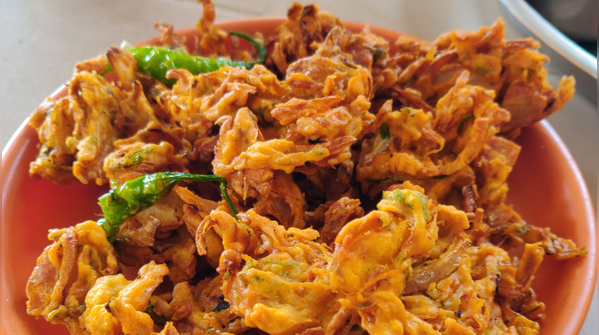
Pakoras are the classic rain-day snack, whether made with onion, potato, spinach or paneer. The batter and deep-frying make them crisp and comforting, especially when paired with tea. A small serving of 4 to 5 pakoras usually comes to 200 to 300 calories, depending on the ingredients and how much oil they absorb. Onion pakoras tend to be lighter than paneer versions, but all pakoras sit on the richer side of the snack spectrum.
Vada pav
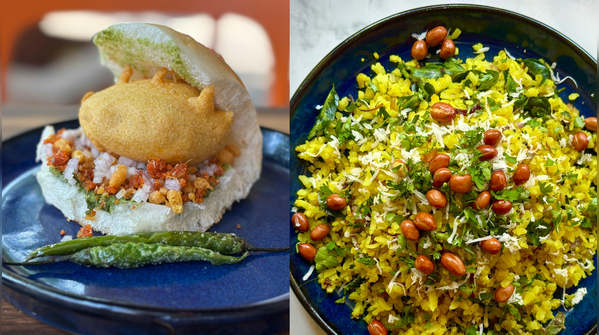
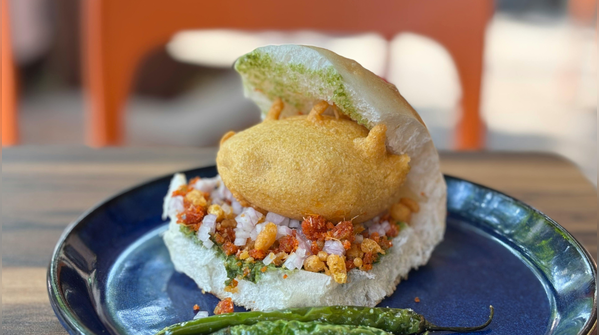
Often called Mumbai’s answer to the burger, vada pav is street food with serious staying power. It combines a spicy potato fritter with a soft bun and chutneys, making it both filling and quick to eat. One vada pav generally contains around 300 to 350 calories. The potato vada itself is fried, and the pav adds more energy without much bulk. It is a compact snack, but not a low-calorie one.
Aloo tikki
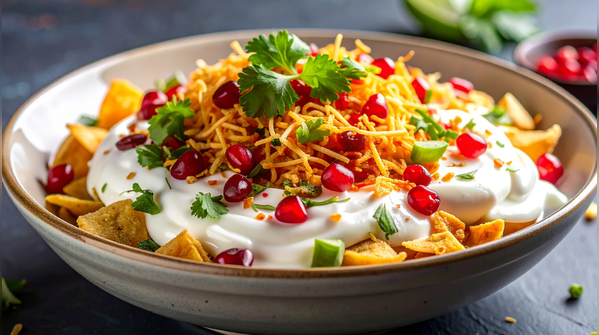
Aloo tikki is a favourite across North India, especially when topped with chutneys, curd, onions and sev. On its own, it is simple enough; dressed up, it turns into a fuller plate. The potato base provides comfort and quick energy, while the crisp outer layer makes it deeply satisfying to eat. But the moment generous toppings and extra oil enter the picture, the calorie count rises faster than most people realise. One medium aloo tikki contains about 120 to 180 calories, but a chaat-style serving can easily cross 250 calories once the toppings are added. That is where the snack shifts from modest to substantial.
Poha
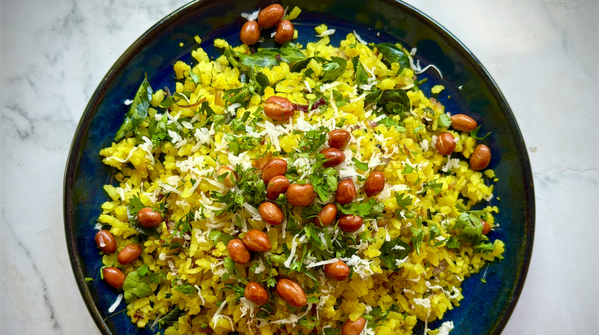
Poha is one of the most practical Indian breakfasts and snacks, and it often earns a reputation for being lighter than fried options. Flattened rice, onions, spices and a touch of oil make it fragrant without being too heavy. One medium bowl of poha usually contains around 180 to 250 calories. Peanuts, sev and extra oil can increase the total. Still, poha remains a smart, everyday snack if portion size is kept in check.
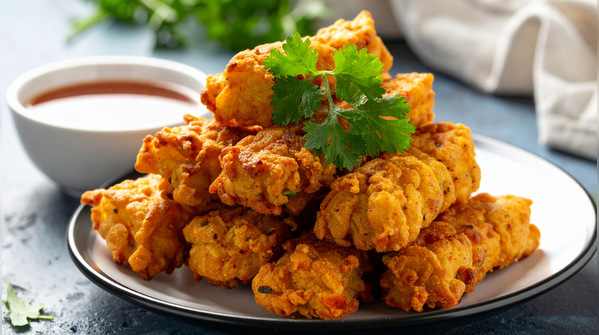
Paneer pakora
Paneer pakora is the richer cousin of the regular pakora. Cubes of paneer are dipped in batter and deep-fried, creating a snack that is soft inside and crisp outside. A serving of 4 to 5 pieces usually contains around 250 to 350 calories. Because paneer itself is already dense, this snack tends to be more filling than vegetable pakoras. It is also one of the easiest snacks to overeat.
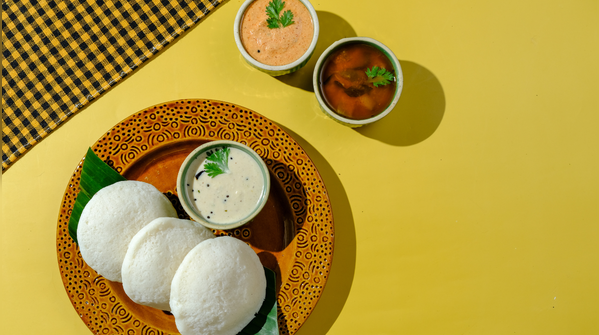
Idli
Idli stands out because it is steamed, not fried. Made from fermented rice and lentil batter, it is soft, mild and easy on the stomach. It may look humble, but it has a strong nutritional reputation. One plain idli usually contains around 40 to 60 calories. Two to three idlis with chutney or sambar can make a light, satisfying snack or breakfast. Among Indian snacks, idli is one of the most calorie-conscious choices.
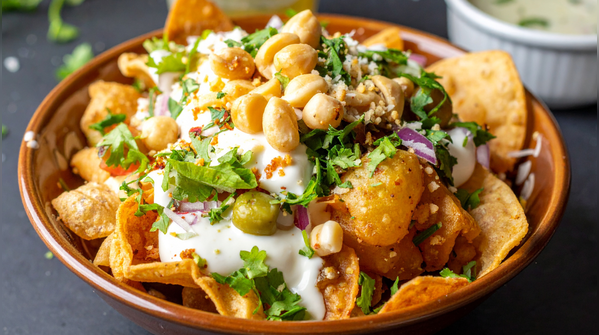
Papdi chaat
Papdi chaat is where crunch, creaminess, spice and sweetness meet in a single bowl. It is delicious, but the combination of fried papdi, potatoes, chutneys, curd and sev makes it more calorie-rich than it appears. One serving of papdi chaat typically contains around 250 to 350 calories, sometimes more depending on the quantity of toppings. It is the kind of snack that feels festive, not casual, and the calories reflect that richness.
Featured In Food

MORE FROM ETIMES
life & style