
Forget mozzarella and cheddar: Try these 6 traditional Indian cheeses that are highly nutritious
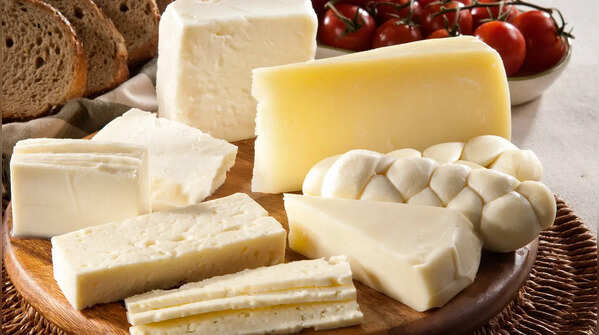
Have you tried these India cheeses?
From sandwiches and burgers to pasta, and from cheese and crackers to parathas, cheese has melted into almost all categories of food. And when we talk about cheese, familiar names like mozzarella and cheddar usually come to mind. But, did you know that India also has a rich culinary heritage associated with cheese? For centuries, India has been relishing cheese made in small pockets of different regions and are still celebrated and enjoyed because of their nutritional values. These cheese are made with simple and local ingredients and offer unique techniques, textures, flavours and nutrition. For the unversed, cheese is actually a dairy product made by transforming milk into a solid or semi-solid form. This is traditionally done by using natural acids or enzymes, which cause the milk proteins to coagulate into curds. Later, these curds are processed to create a wide variety of cheeses with distinct textures and tastes. Take a look at these traditional Indian cheeses that are highly nutritious too.
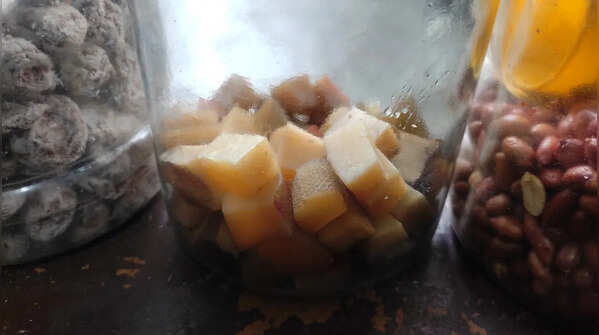
Chhurpi
This is a traditional cheese from the Himalayan regions of Nepal, Sikkim, and parts of Northeast India, and is known for its nique texture and incredible durability. Traditionally, it is made from yak milk or cow milk and comes in two main forms—soft and hard. It is mildly sour and offers a smoky and earthy flavour.
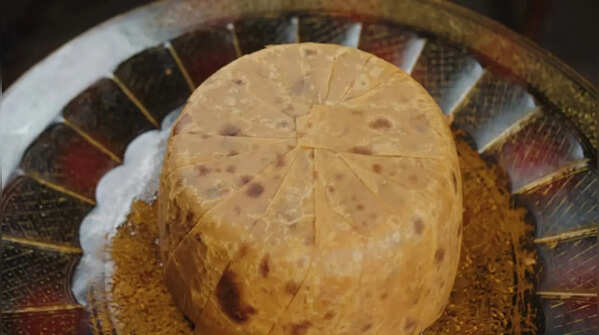
Kalimpong Cheese
It is one of India’s most distinctive and lesser-known cheeses. According to historians, it reflects both colonial influence and Himalayan craftsmanship. It originated in the hill town of Kalimpong in West Bengal and was introduced by Swiss missionaries in the early 20th century. This semi-hard cow’s-milk cheese is known for its firm, slightly crumbly texture, strong, pungent aroma and salty, tangy, and sharp flavour.
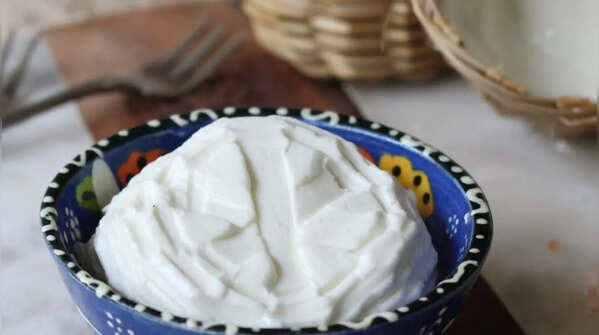
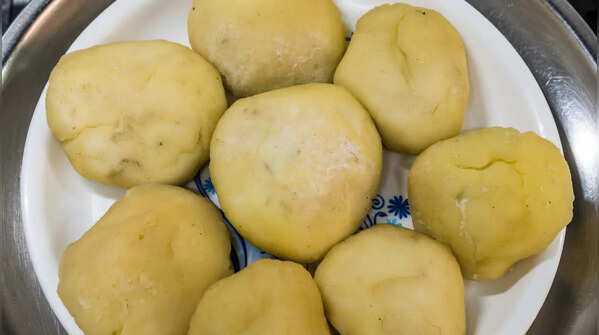
Topli Paneer
This Indian cheese associated with Gujarat is a traditional Parsi delicacy. The name topli means basket and that's exactly how this paneer gets its identity. According to experts, instead of being pressed into flat blocks, the curdled milk is shaped and drained in small basket-like molds. Also known as Surti Paneer, it is known for its velvety texture and is mostly served at Parsi weddings. (Image: Instagram/nilouferskitchen)
Kalari
This gem from the Jammu region is referred to as “Maish Krej” locally. Kalari cheese is made from cow or buffalo milk, which is beaten with a plunger made of local wood and shaped into small discs. It’s dense and slightly rubbery when raw, but melts magically when you cook it. It is also known as the mozzarella of Kashmir and is best enjoyed on top of one-pot meals. Freshly pan-fried kalari is best enjoyed with salt, chili powder, and other herbs. It also makes for a great choice for sandwiches and burgers.
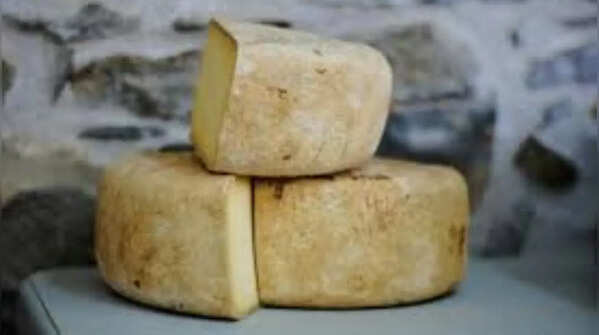
Qudam
This cheese is also called Kudam/Qudam and is a lesser-known cheese from the Ladakh region. It is a hard, sun-dried cheese traditionally made from yak or cow milk, which is made into sour curd and then pressed to make Qudam. According to food historians, it is designed for long storage in harsh mountain climates where fresh food isn’t always available.
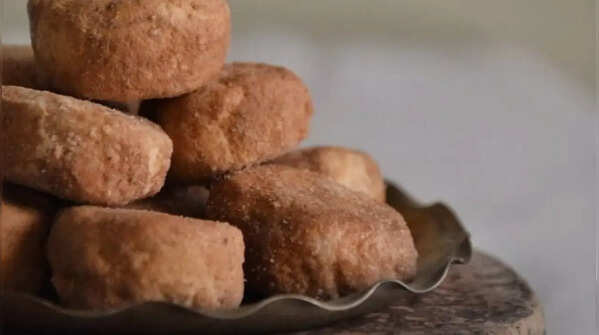
Bandel
This cheese comes from Bandel, a small town in West Bengal and it is believed that it was introduced by Portuguese settlers in the 16th century. It is known for its smoky aroma, crumbly texture and salty and tangy flavour. It’s typically shaped into small discs or roundels and can be quite intense. It makes for the perfect cheese to crumble over salads or one can smear it over a cracker or toast at tea time. (Image: Instagram/chefchalapathirao)
Featured In Food

MORE FROM ETIMES
life & style