
Baisakhi 2026: Traditional Baisakhi dishes and their cultural importance in the harvest festival
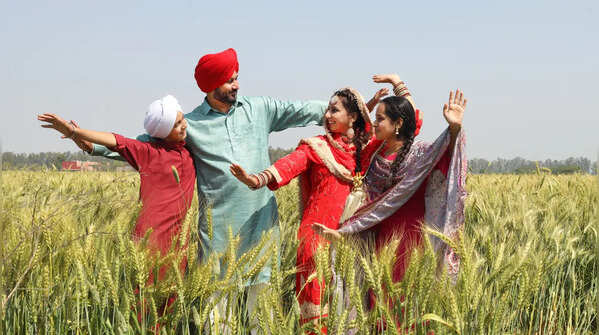
Importance of desi dishes on Baisakhi
Baisakhi or Vaisakhi is the Sikh New Year. The day also marks the harvest of the rabi crops and the beginning of the solar new year, observed around April 13 or 14 every year. Like any Indian festival, Baisakhi is incomplete without good food. Take a look at the traditional dishes prepared on this occasion and their cultural importance in the harvest festival.
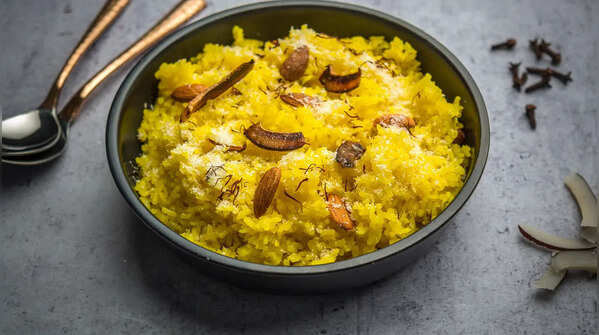
Meethe Chawal
As the name suggests, it's a sweetened dish made with rice, sugar, roasted nuts, ghee, salt, kesar, and pepper.
Importance: According to experts, the dish reflects joy, prosperity, and auspicious beginnings. Also, the use of ingredients like saffron and nuts reflects richness and good fortune.
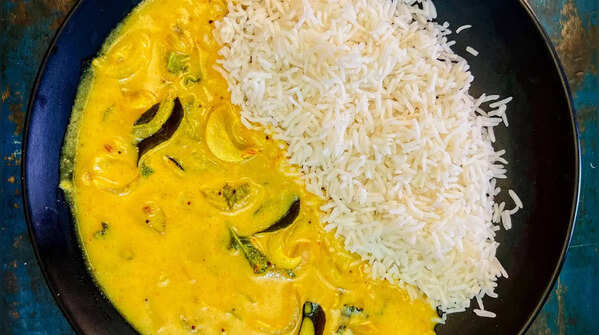
Kadhi Chawal
The combo meal consists of kadhi and rice. Kadhi is a savoury dish made with gram flour, curd or buttermilk, mustard oil, mustard seeds, curry leaves, fenugreek seeds, dry red chilli, dry mango powder, and salt. It is served with steamed rice.
Importance: During Baisakhi, this meal combo takes on a deeper meaning. Traditionally, it is prepared in large quantities, highlighting the spirit of togetherness and sharing.
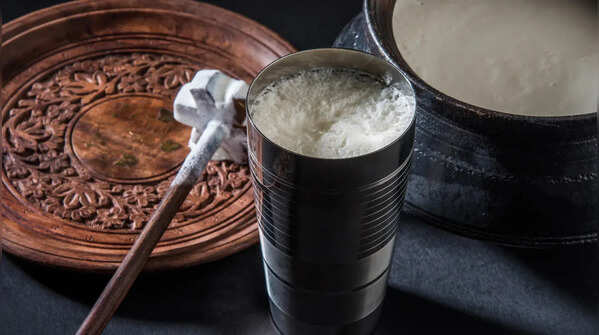
Lassi
It's a popular summer beverage made with curd, sugar, malai, rose syrup, nuts, and rose water. As a beverage, it plays an important role in cooling the body and maintaining hydration after long hours of celebration and outdoor festivities.
Importance: As per legends, lassi is a gesture of warmth and welcome. Whether you serve it in earthen glasses or in fancy metal ware, it simply reflects the spirit of togetherness and abundance that defines the harvest season.
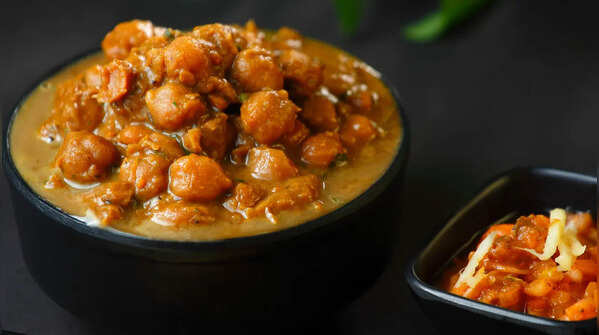
Amritsari Chole
It's a spicy chickpea dish that also uses ground spices, onion, coriander leaves, ginger, and lemon juice. It is best served with bhature or kulcha.
Importance: Nutritionally, chole are a great source of plant-based protein and energy, making them ideal for sustaining long hours of festivities. From a cultural perspective, it reflects the warmth and hospitality of Punjabi households, where hand-pounded spices are used to simmer the soaked beans, which are then mashed slightly to achieve a thick consistency and served with love.
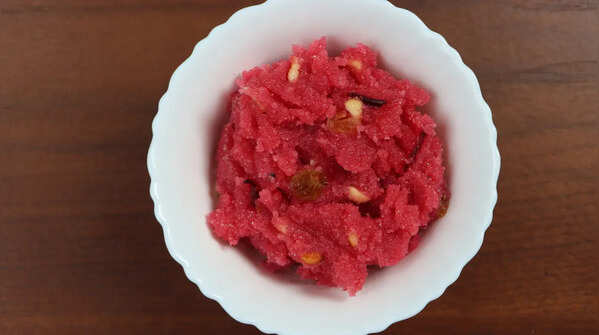
Kada Prasad
It is the most celebrated bhog made with whole wheat flour, ghee, sugar or sugar syrup. It is first offered to the almighty and then distributed among others.
Importance: Nutritionally, it is rich and energy-dense, symbolising abundance and prosperity during the harvest season. Culturally, it is made with devotion and distributed equally to everyone. It serves as a reminder that the festival's true joy of the festival lies in sharing, gratitude, and spiritual connection.
Images Courtesy: istock
Featured In Food

MORE FROM ETIMES
life & style